Cultural Heritage Administration Announces Designation of Danryeong and Samo
"Empirical Data for Research on Craft Techniques and Materials"
Clothing and shoes of Myeonam (勉菴) Choi Ik-hyeon (1833?1907), who led the anti-Japanese militia movement, are being preserved as national heritage.
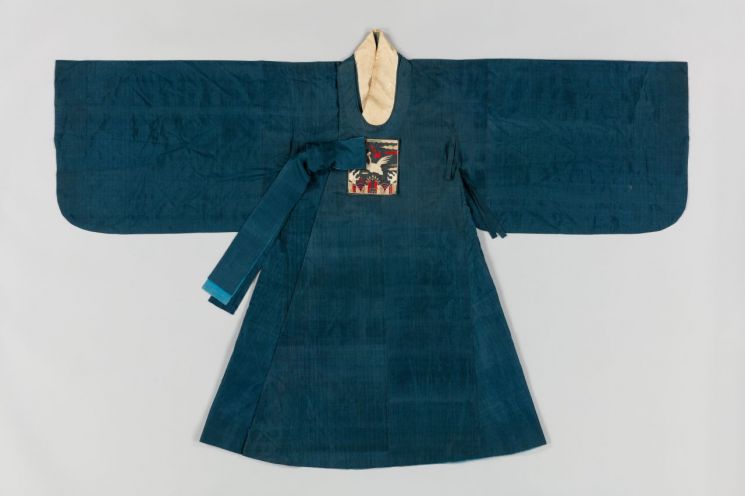
The Cultural Heritage Administration announced on the 1st that the 'Myeonam Choi Ik-hyeon Official Uniform Set' will be designated as a National Folk Cultural Heritage. Opinions from various sectors will be collected for a month, and the designation will be finalized after review by the Cultural Heritage Committee.
Choi Ik-hyeon was a patriotic activist who fiercely opposed the trade treaty with Japan and the short hair decree. After the Eulsa Treaty was signed in 1905, he gathered militia forces in Taein (Jeongeup), Jeonbuk. However, after being defeated in Sunchang, he was exiled to Tsushima Island in his seventies.
The artifacts announced for designation as National Folk Cultural Heritage include five items: danryeong (official robe), samo (hat), sapgeumdae (decorative belt), hopae (identification tag), and mokhwa (wooden shoes). Each holds great value as empirical materials for studying late 19th-century clothing, as well as craft techniques and materials.
Danryeong is a garment worn by government officials. Choi Ik-hyeon wore it during his service as a lower-ranking official from 1855 to 1870. The Cultural Heritage Administration explained, "It possesses the form and production style of the danryeong worn by lower-ranking officials in the late Joseon period."
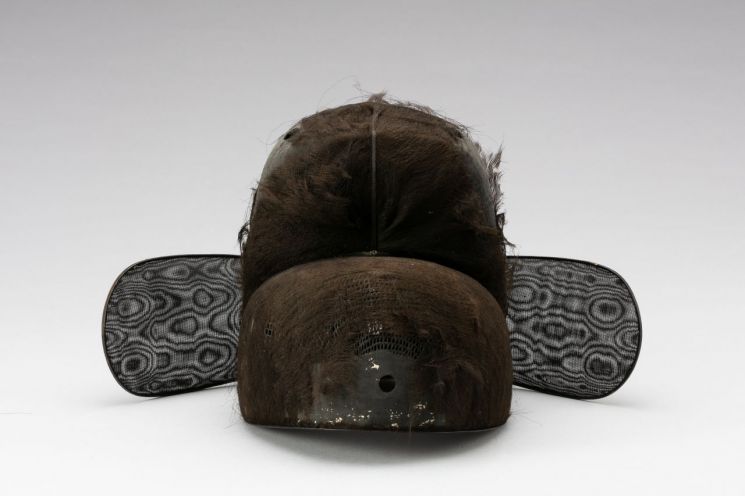
Samo is a ceremonial hat worn with official uniforms. It is estimated that Choi Ik-hyeon wore it after receiving a higher-ranking official position in 1870. The materials and production techniques of the time, such as bamboo and hanji (traditional Korean paper), can be confirmed, giving it high academic value. The Cultural Heritage Administration added, "Thin and loosely woven plain fabric is layered over the two horns, creating a shimmering pattern."
Sapgeumdae is a belt worn around the waist. Decorative plates with patterns are attached around the belt. Choi Ik-hyeon's belt is notable for being made of a material presumed to be cellulose nitrate (a synthetic material invented in the 19th century and a precursor to plastic), introduced to Joseon during the opening of ports, and designed to resemble the pattern of a sea turtle’s shell. The Cultural Heritage Administration evaluated it as "a trace that reveals changes in craft techniques at the end of the 19th century."
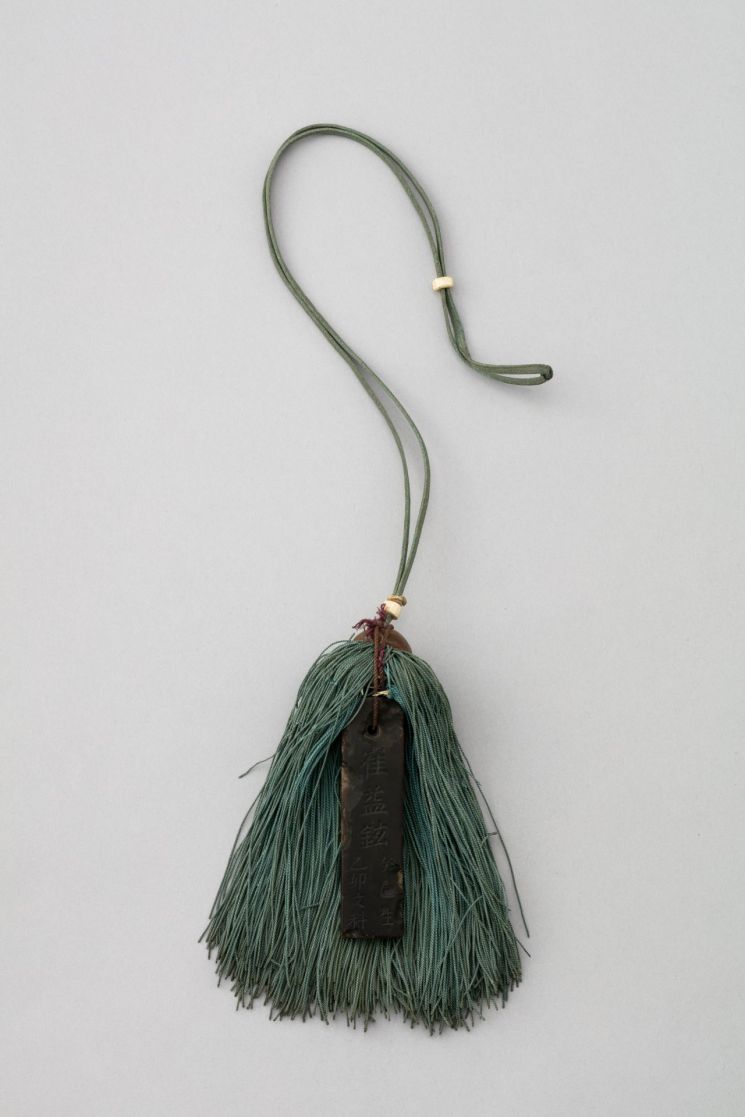
Hopae is the Joseon-era equivalent of today’s resident registration card. It was issued to males aged sixteen and older. Choi Ik-hyeon's hopae bears the inscription 'Eulmyo (1855)' along with his name, indicating the production date and wearer.
Mokhwa are tall wooden shoes worn with official uniforms. Choi Ik-hyeon wore a pair made during the transitional period (1870s?1880s) when the sole design changed from rising to the toe to a flat form.
© The Asia Business Daily(www.asiae.co.kr). All rights reserved.
![Clutching a Stolen Dior Bag, Saying "I Hate Being Poor but Real"... The Grotesque Con of a "Human Knockoff" [Slate]](https://cwcontent.asiae.co.kr/asiaresize/183/2026021902243444107_1771435474.jpg)

















