EU Prohibits Sustainable Aviation Fuel from Food Ingredients
US Recognizes This and Offers Tax Credit Benefits
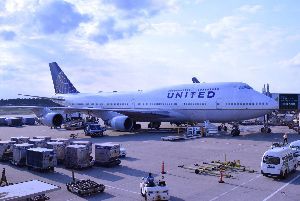
Starting next year, regulations requiring a certain portion of Sustainable Aviation Fuel (SAF) in the fuel of flights departing from Europe have thrown the related industry into confusion. This is because the United States and the European Union (EU), which are leading global regulations in response to the climate crisis, have differing positions on SAF standards.
According to the Wall Street Journal (WSJ) on the 24th (local time), from 2025, flights taking off from airports in EU member countries must contain at least 2% SAF in their aviation fuel in addition to conventional jet fuel. By 2035, the mandatory usage rate of SAF will increase to 20%. This is part of the EU’s carbon reduction measure for the aviation sector, ‘ReFuelEU,’ confirmed last year. The United States has adopted an incentive policy. It currently provides a differential tax credit of $1.25 to $1.75 per gallon for fuels that reduce carbon emissions by more than 50% compared to jet fuel.
SAF refers to aviation fuel made from eco-friendly raw materials rather than petroleum. In an era emphasizing carbon neutrality, it is considered the only way the aviation industry can implement this goal.
The problem lies in the differing views between U.S. and EU regulators regarding the raw materials for SAF. A representative type of SAF is bio-aviation fuel made from bio-alternative fuels. The EU essentially does not recognize bio-aviation fuel made from crop-based raw materials such as corn, soybeans, and sugarcane. This is due to concerns about food shortages, competition with the food industry, and indiscriminate deforestation. On the other hand, the U.S. allows bio-aviation fuel made from such raw materials to receive tax credit benefits if certain conditions are met.
Because of this, the WSJ reported that there is considerable confusion within the aviation industry. The industry is largely unaware of the EU’s detailed regulations.
The EU’s rejection of crop-based SAF is also expected to lead to an overall rise in SAF prices. This could cause ticket prices for flights departing from Europe to increase more sharply. SAF prices are already set at a higher level compared to conventional jet fuel. According to price analysis firm Argus Media, the price of SAF delivered in California this month is about $5.34 per gallon, significantly exceeding the price of conventional jet fuel (about $3).
The SAF production industry is also struggling due to many uncertainties. Fulcrum BioEnergy, which raised over $1 billion last month to produce biofuel from municipal waste, is reportedly on the brink of bankruptcy. The stock price of U.S. bioenergy producer Gevo has fallen about 45% this year and faces the risk of delisting from Nasdaq. Gevo CEO Patrick Gruber told the WSJ, “The (EU’s) policy is really nonsensical because it is so restrictive that the industry can do nothing.”
Nick Lockhart, a partner at law firm Sidley, explained, “These differences between (U.S. and EU) regulators weaken investment in SAF production.”
© The Asia Business Daily(www.asiae.co.kr). All rights reserved.
![Clutching a Stolen Dior Bag, Saying "I Hate Being Poor but Real"... The Grotesque Con of a "Human Knockoff" [Slate]](https://cwcontent.asiae.co.kr/asiaresize/183/2026021902243444107_1771435474.jpg)















