BDI at 1948 as of the 14th
Up 50% compared to mid-January this year
Despite iron ore and coal price drops,
logistics-related costs rise,
purchase costs up over 14% YoY
The steel industry is being hit by rising maritime freight rates. Amid difficulties caused by a downturn in the construction market and low-priced competition from China, the increase in bulk carrier freight rates has further raised the burden of importing overseas raw materials and fuel.
According to industry sources on the 18th, POSCO, the largest steel company in Korea, recently saw its burden for importing iron ore and coal increase by about 30% due to rising maritime freight rates. A representative from POSCO Flow, POSCO Group's logistics company, said, "As maritime freight rates continue to rise, the steel industry’s freight burden related to iron ore and coal has increased," adding, "Logistics costs are estimated to have risen about 30% compared to the previous year."
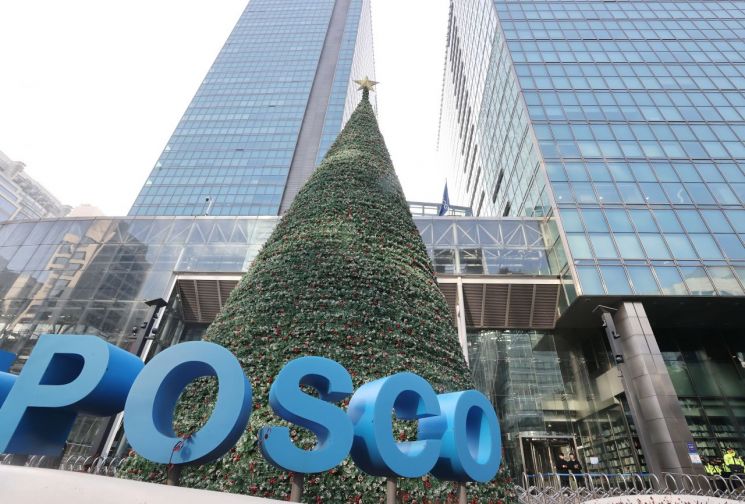
The company's purchase costs for iron ore and coal increased by more than 14%, from KRW 3.9302 trillion in the first quarter of last year to KRW 4.495 trillion in the same period this year. Purchase costs include not only raw materials but also tariffs, logistics, and handling fees. The cost per ton of iron ore and coal slightly decreased from KRW 151,000 and KRW 438,000 in the first quarter of last year to KRW 150,000 and KRW 409,000 this year, respectively. Despite the drop in raw material prices, the increase in purchase costs is largely due to rising logistics-related expenses. Sales and logistics costs rose from KRW 69.07727 billion in the first quarter of last year to KRW 73.35388 billion.
The Baltic Dry Index (BDI), an indicator used for dry bulk shipping costs such as coal and grains, stood at 1,948 as of the 14th, nearly 50% higher compared to the early January level in the low 1,300s. At the beginning of the year, it was expected that bulk carrier freight rates would remain stable as port congestion issues following the pandemic and geopolitical risks like war had eased. However, unexpected variables at both the Suez and Panama Canals have made normal passage difficult, leading to a shortage of vessel supply. As of the 7th of this month, the number of dry bulk vessels passing through the Panama Canal was 381, a decrease of more than 70% compared to the same period last year.
Steady demand for iron ore and coal from China and India has also driven up transportation costs. Although it was anticipated that iron ore demand would decline due to China's real estate market downturn, steel mills have been buying in advance expecting iron ore prices to fall, keeping transportation costs high. Additionally, power demand has surged across industries such as artificial intelligence (AI) and electric vehicles, and abnormal weather conditions like heatwaves are expected to destabilize power supply, maintaining strong coal demand.
The steel industry is closely monitoring shipping costs. A related industry official said, "Since maritime freight routes are mostly fixed and most contracts are long-term, spanning six months to a year rather than spot contracts, we do not expect immediate significant impacts," but added, "We are monitoring the monthly status closely."
Given the steel industry's slump due to the construction market downturn and dumping from China, the increased logistics costs are raising concerns about negative effects on performance. According to the Korea Iron & Steel Association, domestic crude steel production from January to April this year was 21.22 million tons, down 5.1% compared to the same period last year. This means opportunities to increase sales are also diminishing.
A POSCO representative said, "The crisis seems to be spreading, so we are maintaining a sense of tension," adding, "The industry overall is in a difficult situation."
© The Asia Business Daily(www.asiae.co.kr). All rights reserved.
![Clutching a Stolen Dior Bag, Saying "I Hate Being Poor but Real"... The Grotesque Con of a "Human Knockoff" [Slate]](https://cwcontent.asiae.co.kr/asiaresize/183/2026021902243444107_1771435474.jpg)















