China Investment Halved from 7% to 3%
High Interest Rates and Bidenomics Impact... US Election Uncertainty
Thanks to interest rates and semiconductor support policies, one-third of global investment since the COVID-19 pandemic has flowed into the United States, Bloomberg reported on the 16th (local time).
According to data analyzed by the International Monetary Fund (IMF), this result emerged. Before COVID-19, the U.S. accounted for only 18% of global investment, which has significantly increased.
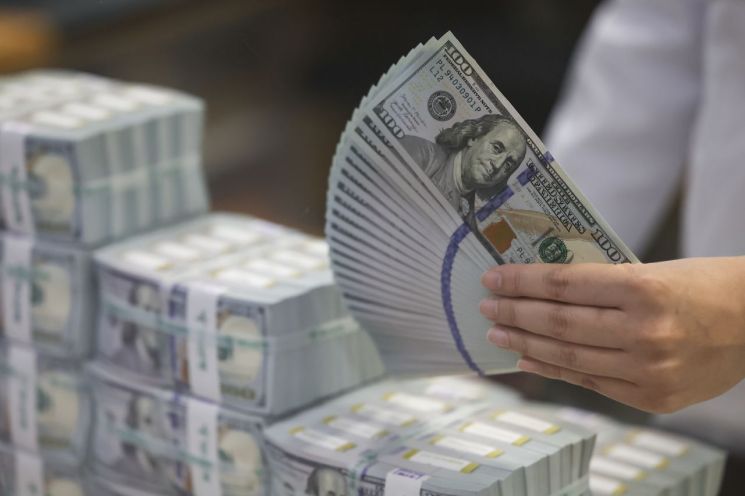
Bloomberg analyzed that the rise of U.S. interest rates to the highest level in decades acted as an attractive factor for foreign investors. Additionally, the Biden administration has provided billions of dollars in incentives under plans to promote renewable energy and semiconductor production, leading to active foreign direct investment (FDI).
Bloomberg said, "This trend signifies a significant change from the pre-pandemic era when capital poured into emerging markets such as China."
According to the IMF, China's share of total cross-border capital flows from 2021 to 2023 was only 3%, down from about 7% over the previous decade until 2019. Although the Chinese government is trying to attract foreign investment, overseas investment in China has slowed for four consecutive months as of April. Last year, total FDI in emerging markets was only 1.5% of gross domestic product (GDP), the lowest level in the 21st century.
However, there are forecasts that this trend could be reversed. Bloomberg analyzed that former President Donald Trump promised to overturn key elements of Bidenomics if he wins the presidential election, and the U.S. Federal Reserve (Fed) has signaled it will begin cutting interest rates by the end of the year, meaning that these U.S. advantages may not continue. There are significant concerns about policy uncertainties such as taxes, tariffs, and geopolitical tensions depending on the November election results. The rapidly increasing debt is also a concern.
Grace Fan, Managing Director at TS Lombard, said, "From an institutional perspective, the big issue going forward is whether the rule of law based on regulatory clarity will apply to both foreign and U.S. investors during the next president’s term," adding, "This is essential to maintaining investor confidence in U.S. assets amid the growing movement toward dedollarization."
© The Asia Business Daily(www.asiae.co.kr). All rights reserved.
![Clutching a Stolen Dior Bag, Saying "I Hate Being Poor but Real"... The Grotesque Con of a "Human Knockoff" [Slate]](https://cwcontent.asiae.co.kr/asiaresize/183/2026021902243444107_1771435474.jpg)
















