Government Announces 'Measures to Revitalize Foreign Tourism to Korea'
The government is simplifying entry procedures for overseas travelers by expanding the scope of the electronic travel authorization system for foreign group tourists (K-ETA). Direct flight routes between regional airports and overseas cities will also be increased. This is to fully open the door to Korean tourism, boost the number of foreign visitors to Korea?which has been slow to recover since the COVID-19 pandemic?and revitalize domestic consumption.
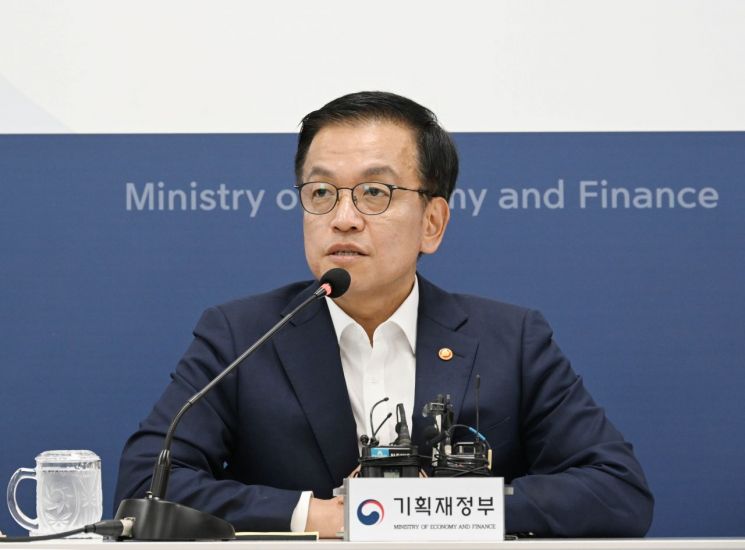
On the 17th, the government announced the 'Measures to Revitalize Foreign Tourism to Korea' at the Economic Ministers' Meeting. The goal is to increase the number of inbound tourists to 30 million and tourism revenue to 30 billion dollars by 2027 by expanding tourism infrastructure that considers the increase in small-scale and individual tourists.
First, the scope of K-ETA, which has been criticized for dampening the willingness of foreign tourists to visit Korea as a second visa, will be expanded. K-ETA is a system where foreigners who wish to enter visa-free register their personal information in advance before departure and receive entry permission. The scope of group tourists eligible for bulk K-ETA applications, currently limited to groups of 50, will be expanded to unlock group tourism restrictions, and an automatic passport reading (OCR) function will be introduced to enhance the convenience of foreign tourists entering the country.
The introduction of the 'Hallyu Visa' will also be increased. A pilot operation of the 'K-Culture Training Visa' will begin in the second half of this year for foreigners wishing to participate in K-pop training, and the government is considering introducing a ‘region-specialized digital nomad visa’ to allow overseas remote workers to come to Korea to work while enjoying regional tourism.
To revitalize the K-MICE (Meetings, Incentives, Conferences, and Exhibitions) market, priority immigration screening lanes will be provided for key event participants. When hosting international events, if companion tourism programs are planned and operated, preferential treatment will be given in government funding evaluations to promote companion tourism in the international event sector.
Additional unmanned automatic inspection gates will be installed for cruise tourists. This is to minimize the reduction of actual tourism stay time caused by the 1 to 2 hours required for cruise entry and exit inspections. Operating hours of cruise passenger terminals at ports such as Busan Port will also be extended by 1 to 2 hours from 9 p.m.
Direct flight routes between regional airports and overseas cities will be expanded. In the second half of this year, new routes will be established between Busan and Jakarta, and Cheongju and Bali, and the frequency of flights on the Daegu-Ulaanbaatar route will be increased. Additionally, negotiations will be held to establish and increase traffic rights with countries that have high demand for visits to Korea, such as the Philippines.
The use of map applications and convenience of public transportation boarding for inbound tourists will be improved. User reviews (in Korean) of popular destinations such as restaurants will be translated into English, Chinese, and other languages and provided on domestic map apps frequently used by foreigners. Foreigners will be able to purchase a prepaid transportation card exclusively for foreigners, which can be charged via mobile apps using overseas credit cards, on their inbound flights, and short-term public transportation tickets usable by foreign tourists will be introduced in major domestic cities.
Convenience for using railroads and rental cars will also be improved to allow easy tourism in non-capital and suburban areas. Multilingual services and seat reservation functions will be added to the SRT and KTX online reservation systems, and the number of stations eligible for combined airline and railroad ticketing services?where KTX tickets can be purchased together with inbound airline tickets?will be expanded from the current 9 stations to 14 stations (including Gangneung, Pyeongchang, Daejeon, etc.). Rental car companies will be provided with information materials on international driving permits by country to ensure that foreign visitors with valid international driving licenses can rent cars without issues.
The supply of unique experiences for foreign tourists will be increased and shopping convenience improved. ‘K-Lifestyle’ experience events that enjoy everyday Korean life, such as ‘chimaek’ (fried chicken and beer) and instant photo booths, will be expanded, and to promote the creation of complex tourism complexes where various leisure and recreational activities are possible, a new type of ‘complex facility district’ will be introduced. This allows multiple facilities with different uses?such as accommodation, leisure, and shopping?to be installed within a single district inside a tourism complex.
© The Asia Business Daily(www.asiae.co.kr). All rights reserved.
![Clutching a Stolen Dior Bag, Saying "I Hate Being Poor but Real"... The Grotesque Con of a "Human Knockoff" [Slate]](https://cwcontent.asiae.co.kr/asiaresize/183/2026021902243444107_1771435474.jpg)















