Director Bong Joon-ho's Memories of Murder 2nd Place, Parasite 3rd Place
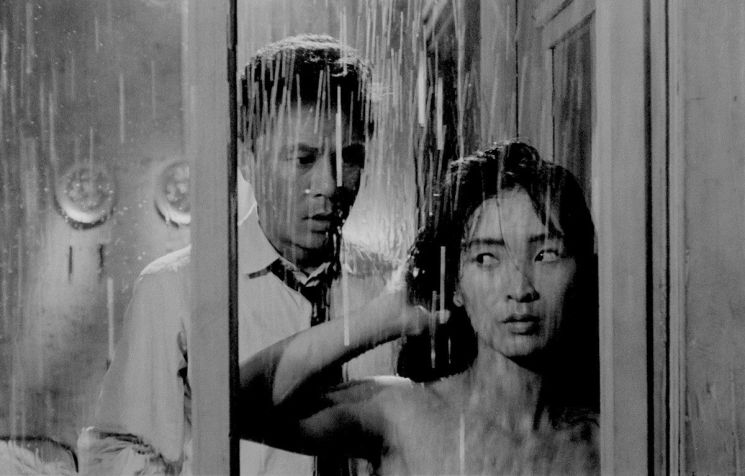
Director Kim Ki-young's The Housemaid (1960) was selected as the greatest Korean film of all time in a survey conducted by the Korean Film Archive.
To mark its 50th anniversary, the Film Archive asked 240 experts from academia, media, and the creative and industrial sectors to recommend ten films without ranking, based on their social and cultural significance as well as their genre and artistic completeness. The top ten films were then ranked by the number of votes, and the remaining ninety were listed in order of production year, with the results announced on the 31st.
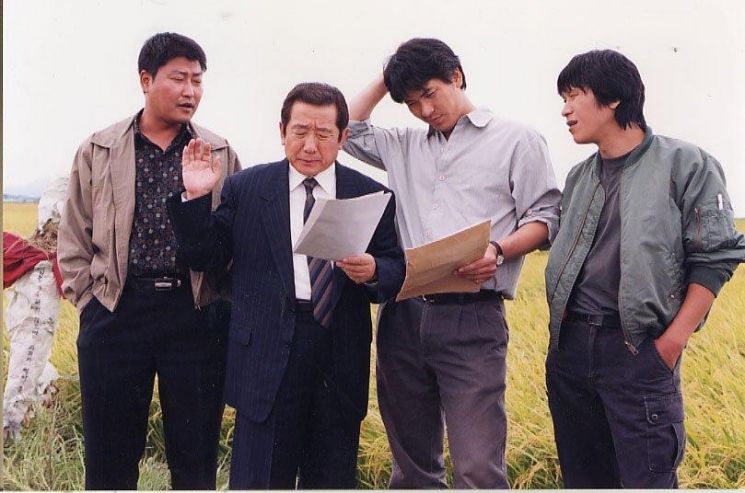
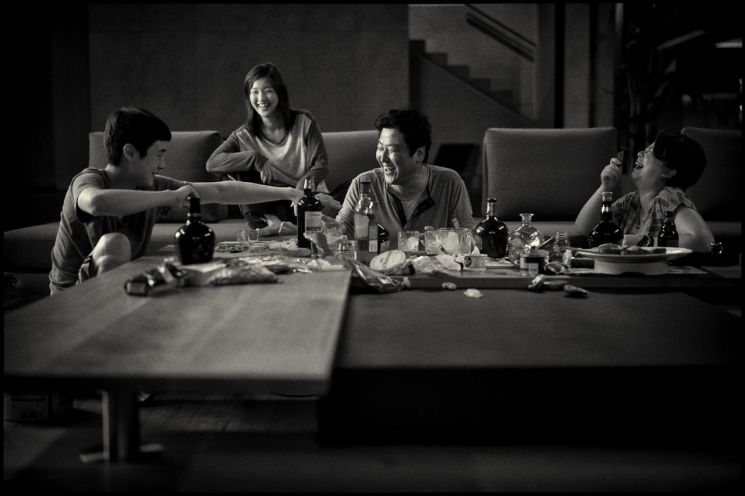
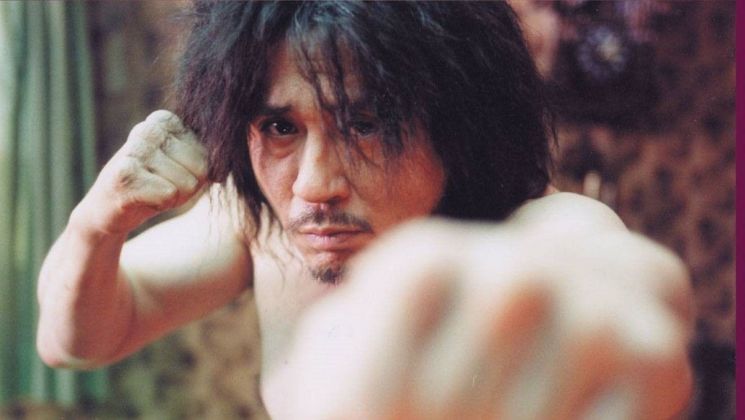
The Housemaid received overwhelming support and took first place. Director Bong Joon-ho’s Memories of Murder (2003) and Parasite (2019) ranked second and third respectively, while director Yu Hyun-mok’s Obaltan (1961) came in fourth. Following them were director Park Chan-wook’s Oldboy (2003), director Ha Kil-jong’s March of Fools (1975), and director Lee Chang-dong’s Poetry (2010). Director Hur Jin-ho’s Christmas in August (1998) and Park Chan-wook’s Decision to Leave (2022) tied for eighth place, and director Hong Sang-soo’s The Day a Pig Fell into the Well (1996) ranked tenth.
The top 100 list includes a diverse range of films. Among them are director Lee Joon-ik’s Joseon Exorcist (2019), Dongju: The Portrait of a Poet (2015), and The King and the Clown (2005); director Kim Bora’s House of Hummingbird (2018); director Lee Chang-dong’s Burning (2018) and Miryang (2007); director Yeon Sang-ho’s Train to Busan (2016); director Yoon Ga-eun’s Our Body (2016); director Park Chan-wook’s The Handmaiden (2016), Thirst (2009), Sympathy for Lady Vengeance (2005), Oldboy (2003), and Joint Security Area (2000); director Lee Kyung-mi’s No Secrets (2015); director Na Hong-jin’s The Wailing (2015) and The Chaser (2007); director Jung Joo-ri’s Dohee-ya (2013); director Oh Myeol’s Jiseul: The Unfinished Time 2 (2012); directors Kim Il-ran and Hong Ji-yoo’s Two Doors (2011); director Bong Joon-ho’s Mother (2009) and The Host (2006); director Kim Tae-yong’s Family Ties (2006); director Lee Kang-hyun’s The Art of Bankruptcy (2006); director Choi Dong-hoon’s Tazza: The High Rollers (2006); director Im Sang-soo’s People of the Water (2005); director Jang Joon-hwan’s Save the Green Planet! (2003); director Kim Dong-won’s Return (2003); director Yoon Jong-chan’s Bloody Tie (2001); director Jung Jae-eun’s Take Care of My Cat (2001); director Hur Jin-ho’s One Fine Spring Day (2001); director Im Soon-rye’s Waikiki Brothers (2001); director Kim Jee-woon’s Attack the Gas Station! (2000); director Im Kwon-taek’s Chunhyang (2000); and director Ryoo Seung-wan’s Die Bad or Die Hard (2000), among others.
Also included are director Kang Je-gyu’s Shiri (1999); director Lee Myung-se’s No Mercy for the Rude (1999), First Love (1993), and The Gagman (1988); director Lee Chang-dong’s Peppermint Candy (1999) and Green Fish (1997); directors Kim Tae-yong and Min Kyu-dong’s Whispering Corridors 2 (1999); director Hong Sang-soo’s The Power of Kangwon Province (1998); director Song Neung-han’s Number 3 (1997); director Jang Yoon-hyun’s Contact (1997); director Jang Sun-woo’s Flowers of Fire (1996), The Road to Racetrack (1991), and Love in the Hole (1990); director Bae Yong-kyun’s Black Republic (1995); director Byun Young-joo’s Low Voice: Living as a Woman in Asia (1995); director Im Kwon-taek’s Sopyonje (1993), The Surrogate Woman (1986), Mandala (1981), Whale Hunting (1984), and Jjako (1980); director Jung Ji-young’s South Korean Partisan in the South (1990); director Park Kwang-su’s To the Starry Island (1990); directors Jang Dong-hong, Lee Jae-gu, Jang Yoon-hyun, and Lee Eun-gi’s Strike (1990); director Park Kwang-su’s Chilsu and Mansu (1988); director Kim Dong-won’s Sanggye-dong Olympic (1988); director Bae Chang-ho’s Our Happy Young Days (1987), Deep Blue Night (1985), Gilsotteum (1985), and People of Kkobang Neighborhood (1982); director Lee Jang-ho’s Declaration of Idiot (1983) and A Good Day to Have an Affair (1980); and director Lee Doo-yong’s Membrane (1980) and The Last Witness (1980) also made the list.
Among the oldest surviving feature films are director Ahn Jong-hwa’s Crossroads of Youth (1934); director Lee Byeong-il’s Spring on the Peninsula (1941); director Yoon Yong-gyu’s Hometown of the Mind (1949); director Park Nam-ok’s Widow (1955); director Lee Gang-cheon’s Piagol (1955); director Han Hyeong-mo’s Free Woman (1956); director Shin Sang-ok’s Hellfire (1958) and The Houseguest and My Mother (1961); director Kang Dae-jin’s The Coachman (1961); director Lee Man-hee’s The Marines Who Never Returned (1963), The Watermill (1966), The Road to Sampo (1975), Return (1967), and Holiday (1968); director Kim Su-yong’s Fog (1967); director Lee Seong-gu’s The General’s Beard (1968); director Kim Ki-young’s Woman of Fire (1970), Ieodo (1977), and The Woman Who Pursues the Butterfly (1978); director Ha Kil-jong’s Flowerpot (1972); director Lee Jang-ho’s Land of Scattered Stars (1974); and director Kim Ho-sun’s Yeong-ja’s Heydays (1975), among other classics.
The Film Archive will introduce the top 100 films through various online and offline channels. Additionally, a special book titled Top 100 Korean Films, containing reviews, interpretations, and historical context for each film, will be published next month.
© The Asia Business Daily(www.asiae.co.kr). All rights reserved.



















