Some Deficiencies Also Found in Personal Information Collection Procedures
An experiential pop-up store targeting the MZ generation (Millennials + Generation Z), who value special fun and experiences, was found to need improvements as it set refund policies unfavorable to consumers and failed to properly inform them about personal information items and retention periods.
The Korea Consumer Agency conducted an operational status survey of 20 pop-up store locations operating in Seoul during the first quarter of this year, finding that 18 of them sold not only experiences but also various products such as characters, food and beverages, beauty, and entertainment.
The survey targets included GRBK Granola, NCTWISH, Kkumibus, Dinotang, Dr.G, Dukkeop Sanghoe, MAC, Mr. Trot 2, Byredo, Ballantine, Valentino Beauty, Valorant, Seoul Life, Songgeul Songgeul Jjimjilbang, Suki Doki, Umbro, (G)I-DLE, Cha Eun-woo, Cutisac, and Kiki Koriko Cafe.
Among these stores, only one allowed refunds within 14 days after product purchase. Additionally, 8 stores allowed refunds 'within 7 days,' 5 stores 'during the store operation period,' and 4 stores did not allow refunds at all, confirming that most policies were unfavorable to consumers.
The current Door-to-Door Sales Act stipulates that when a seller concludes a contract by soliciting consumers at a business location operating for less than three months, consumers can withdraw their contract offer within 14 days.
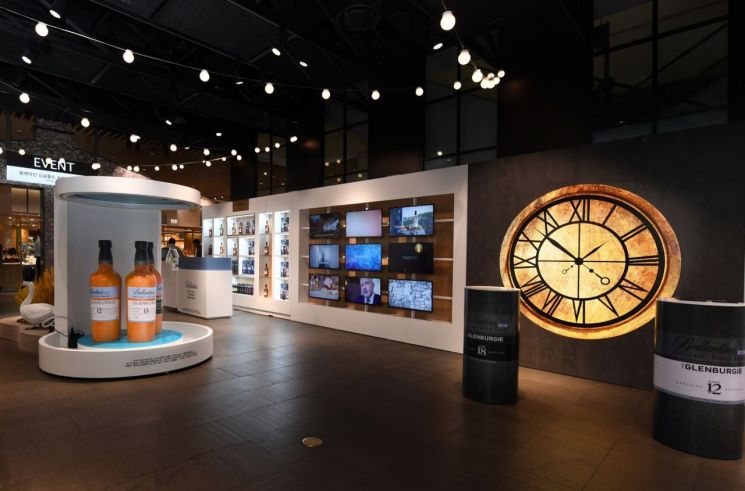 Valentine's popup store. This is a stock photo not directly related to the article.
 [Photo by Asia Economy DB]
Among these pop-up stores, 2 operated terms requiring consumers to provide video footage of the product at the time of opening during the return process due to product damage. Seven stores neither displayed exchange/refund policy notices inside the store nor verbally explained them to customers. Also, 6 pop-up stores were found to have discrepancies between the refund policies stated on receipts and those explained in-store.
Of the 9 pop-up stores where consumers input personal information and make reservations for entry, 4 did not inform consumers about the collected personal information items or retention periods. Notably, 3 stores set the personal information retention period as the time of consumer consent withdrawal or membership cancellation. Additionally, 2 stores notified consumers that their portrait rights could be used without consent or considered store entry as consent to use portrait rights.
According to the current Personal Information Protection Act, personal information processors must inform data subjects (consumers) of the purpose of collection, items to be collected, and retention periods, and must promptly destroy personal information when it becomes unnecessary due to expiration of the retention period or achievement of the processing purpose.
The Consumer Agency added that in their investigation of product labeling at pop-up stores, 7 stores were found to have insufficient product labeling according to relevant laws. Based on this survey, they plan to recommend that businesses improve ▲transaction conditions such as refund periods ▲prevention of omissions in product labeling ▲procedures for collecting personal information and obtaining consent for portrait rights usage.
© The Asia Business Daily(www.asiae.co.kr). All rights reserved.

















