3 Million Working Adults Caring for Parents in Japan
Balancing Parental Nursing and Work
Rapid Increase of 4050 'Business Carers'
Extending Care Leave Periods and Unlimited Remote Work
Japanese companies are undertaking a major overhaul of caregiving leave. This is because the so-called 'business carers,' who have to care for their sick parents while working amid labor shortages caused by low birth rates and an aging population in Japan, are rapidly increasing. Japanese media warn that failing to establish work-family balance measures considering these individuals could ultimately become a significant obstacle to corporate growth.
On the 27th, Nihon Keizai Shimbun (Nikkei) reported that by 2025, all of Japan's baby boom generation will be elderly aged 75 or older, and the number of business carers who need to care for them will reach 3.07 million, making urgent countermeasures necessary. Most business carers are in their 40s to 50s, a period when they hold important positions at work, so career interruptions due to caregiving could cause significant losses for companies.
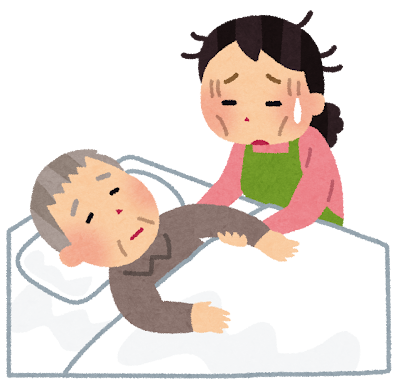
In Japan, caregiving leave that can be used for nursing care is regulated under the Childcare and Care Leave Law. Employees can take up to 5 days of leave per year for one family member, and up to 10 days per year if caring for two or more family members. Granting leave beyond this is left to the discretion of companies, but more than 90% of companies limit the system to the legally stipulated 5 days per person.
In response, large companies have recently been actively increasing caregiving leave. First, Taisei Construction raised the maximum leave days to 15 days per year, 1.5 times the previous amount. The leave is recognized as paid leave and can be used in hourly increments. Additionally, in cases of 'double caregiving,' where two people need care, employees can take up to 20 days of leave.
Companies offering flexible work arrangements tailored to caregiving have also increased. Edion, a home appliance retailer, reviewed its caregiving-specific short-time work system last month, reducing the standard 8-hour workday to 5?7 hours. Originally, this system could be used for up to three years, but the restriction was removed to allow continuous use as long as caregiving is needed. Fujidenki revised its telecommuting policy last month, which allowed up to 10 days per month, removing the limit and enabling indefinite telecommuting if the reason is caregiving.
Some companies have also established systems where employees can consult about caregiving issues without burden. Hitachi Ltd. introduced a system allowing consultations with external experts across 60 group affiliates. It provides comprehensive information on how to use nursing care insurance services and nursing facilities. Last year, Hitachi conducted a survey among 120,000 employees within the group to understand the extent of caregiving burdens. Not only Hitachi but also the insurance company Tokio Marine & Nichido Fire Insurance offers exchange meetings for employees engaged in caregiving and services for consulting experts anytime. Additionally, cosmetics company Kao distributed guidelines urging managers to support subordinates who are balancing caregiving duties.
Nikkei analyzed that companies are rushing caregiving leave measures because the caregiving burden on the working generation is rapidly increasing. The Ministry of Health, Labour and Welfare predicts that the number of dementia patients in Japan will rise to 5.23 million by 2030. The Ministry of Economy, Trade and Industry estimates that 110,000 people will leave their jobs due to caregiving by 2030, resulting in economic losses exceeding 9 trillion yen (approximately 78.4 trillion won).
Nikkei pointed out, "Caregiving requires a longer period of attention than childcare, and the burden tends to increase over time. Without effective measures, it could become an obstacle to corporate growth."
© The Asia Business Daily(www.asiae.co.kr). All rights reserved.
![Clutching a Stolen Dior Bag, Saying "I Hate Being Poor but Real"... The Grotesque Con of a "Human Knockoff" [Slate]](https://cwcontent.asiae.co.kr/asiaresize/183/2026021902243444107_1771435474.jpg)















