Mosquitoes, Tinkerbell, and Other Insects Rampant in May
Outdoor Areas Like Campgrounds and Baseball Fields Cause Increased Citizen Discomfort
This Summer Expected to Be Hotter and More Humid Than Usual, Preparations Essential
Some Beneficial Insects Also Present, Coexistence Needed
Even before the full onset of summer, insects such as mosquitoes and Tinkerbell are becoming rampant.
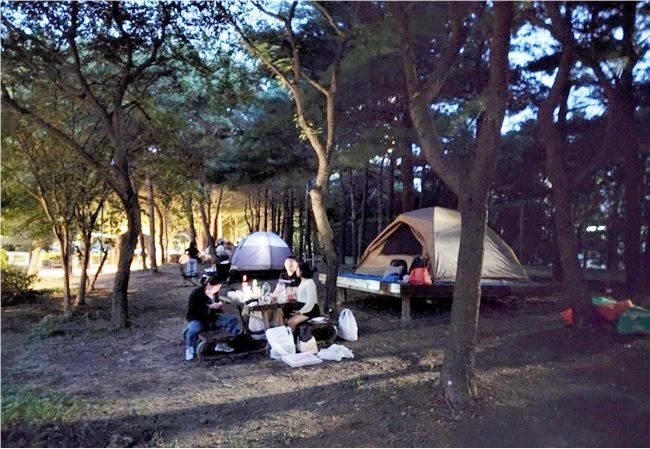
According to a compilation of reports from Yonhap News and others on the 25th, a mosquito war is underway during the camping season in May to June, which is not even the peak mosquito month of August. At baseball stadiums, 'Tinkerbell' (Ephemera orientalis) is causing enough disturbance to interfere with viewing. The Gocheok Sky Dome in Seoul, being an indoor dome stadium, is somewhat better off. Tinkerbell especially becomes more active after rainy days. Some citizens are taking measures such as purchasing home mosquito traps or replacing window screens.
This year is expected to be hotter and wetter than usual. Experts predict that 'insect outbreaks' will occur more frequently than in previous years. According to the Korea Meteorological Administration, the probability that temperatures in June and August will be higher than average is 50%, and for July it is 40%. Regarding precipitation, June is expected to be similar to average with a 50% probability, but July and August are estimated to have higher than average rainfall with a 40% probability. Generally, climates with increased temperature and humidity create favorable conditions for insect activity. Existing experimental results show that population numbers increase or sizes grow, creating an environment conducive to outbreaks.
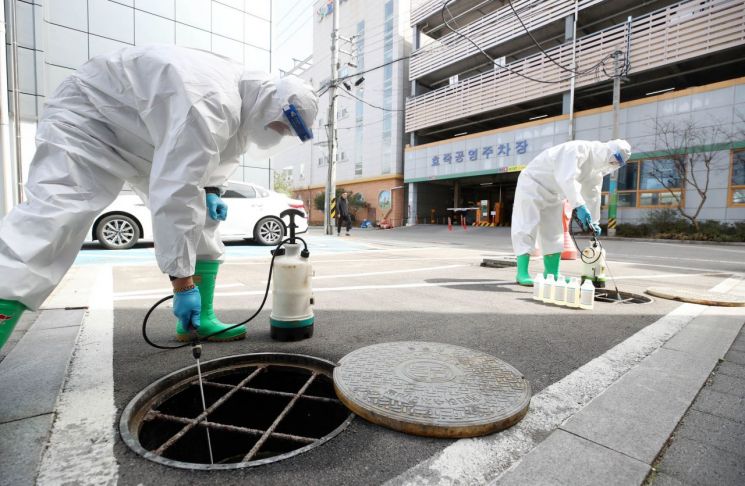 Local government quarantine team members are conducting mosquito larva control measures to prevent various infectious diseases.
 [Image source=Yonhap News]
Experts suggest that it is more appropriate to view Ephemera orientalis and the red-backed velvet fly, which are classified as beneficial insects (insects that are advantageous to human life), as species to coexist with rather than targets for eradication. Adult red-backed velvet flies facilitate pollination by feeding on flower nectar. Their larvae live in soil and are known to decompose fallen leaves and organic matter. Ephemera orientalis larvae decompose decaying organic material and only live in water quality of grade 2 or higher, making them indicators of healthy aquatic ecosystems. Both insects serve as food for higher predators such as fish and birds, helping maintain ecological balance. They do not bite humans or transmit diseases.
The Ministry of Environment and Seoul City are currently studying a plan to deploy illuminated boats on the Han River to control Ephemera orientalis, considering their attraction to light.
© The Asia Business Daily(www.asiae.co.kr). All rights reserved.
![Clutching a Stolen Dior Bag, Saying "I Hate Being Poor but Real"... The Grotesque Con of a "Human Knockoff" [Slate]](https://cwcontent.asiae.co.kr/asiaresize/183/2026021902243444107_1771435474.jpg)

















