Officials of the U.S. Federal Reserve (Fed) agreed at the May Federal Open Market Committee (FOMC) meeting that due to growing inflation concerns, interest rates should be maintained at the current level longer than initially expected. They noted that the current rates may not be restrictive enough to bring inflation down to the Fed's 2% target, and some expressed willingness to tighten policy further depending on circumstances.
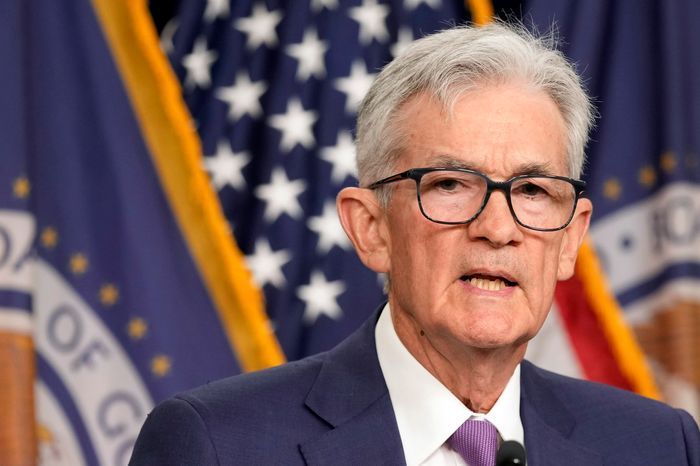
According to the minutes of the May FOMC released by the Fed on the 22nd (local time), participants expressed significant concerns regarding the timing of policy easing as inflation showed strength in the first quarter of this year.
The minutes stated, "Participants were disappointed by the first-quarter inflation figures," and "It appears it will take longer than previously expected to gain greater confidence that inflation is moving steadily toward 2%."
The minutes indicated that Fed officials noted that although inflation had eased over the past year, there had been insufficient further progress toward the 2% target in recent months. They also expressed concerns about inflation risks due to geopolitical impacts and the pressure inflation places on low-wage consumers.
In particular, Fed officials continued discussions on whether the current monetary policy is sufficiently restrictive. Overall, they viewed the current rates as restrictive but pointed out that the effect of high rates might be smaller than in the past or that the neutral rate might be higher than previously expected.
The minutes said, "Many participants mentioned uncertainty about the degree of restrictiveness," and some noted, "If inflation risks materialize, they are willing to further tighten policy if appropriate." This is interpreted as some Fed officials mentioning the possibility of raising interest rates.
The May FOMC meeting, whose minutes were released this time, was held after the U.S. Consumer Price Index (CPI) exceeded expectations for three consecutive months. However, the subsequently released April core CPI rose 3.4% year-on-year, marking the lowest level in three years.
The day before, Fed officials reaffirmed their existing stance that inflation slowdown must be further confirmed before cutting rates. Fed Governor Christopher Waller stated that before lowering rates, inflation data supporting such a move must be confirmed "for several months." However, he dismissed the possibility of further rate hikes. Raphael Bostic, President of the Federal Reserve Bank of Atlanta, said, "It is better to wait longer before cutting rates to prevent inflation from rebounding," adding, "If inflation is expected to decline relatively slowly, rate cuts should not be expected before the fourth quarter."
© The Asia Business Daily(www.asiae.co.kr). All rights reserved.
![Clutching a Stolen Dior Bag, Saying "I Hate Being Poor but Real"... The Grotesque Con of a "Human Knockoff" [Slate]](https://cwcontent.asiae.co.kr/asiaresize/183/2026021902243444107_1771435474.jpg)















