63 Japanese Ramen Shops Closed Last Year
High Inflation, Low Profits, Rising Labor and Investment Costs Create Triple Hardship
Ramen's 900 Yen Threshold Also Broken
If the 1000 Yen Barrier Falls, Collapse and Mutual Destruction Follow
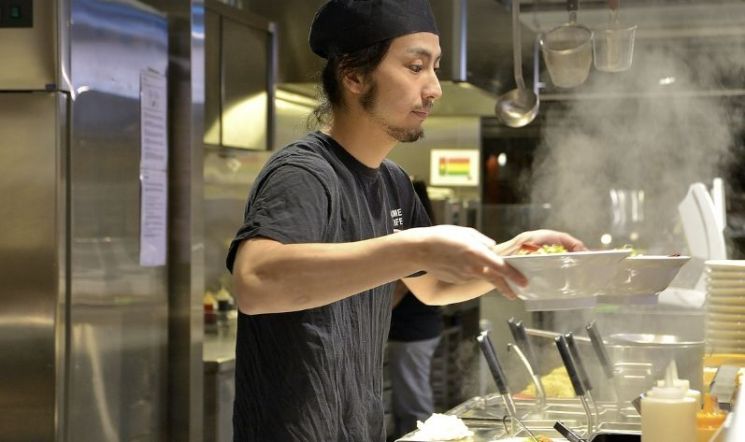
Ramen, Japan's national dish (called Ramyeon in Korean), is facing a crisis. Last year alone, 63 ramen shops closed down, and the surviving ramen shops are enduring a quadruple hardship. The industry's price floor for ramen is 900 yen, but even this is now threatened by a rise to 1000 yen. This price floor refers to a price that the public can understand and accept, similar to how there is a price floor for jajangmyeon, gimbap, and ramyeon in Korea. Although the 900 yen (about 8,000 won) floor has now retreated to 1000 yen (about 9,000 won), many are complaining that even maintaining this is difficult.
On the 16th, Chukyo TV News in Nagoya, Japan, reported under the headline "Ramen is in a major crisis now... consecutive ramen shop bankruptcies, the unrelenting 'quadruple hardship'?" The quadruple hardship refers to the difficulty in raising prices while facing reduced profits, high inflation, soaring labor costs, and equipment investments. The brunt of high inflation is borne by small business owners in both Korea and Japan.
One Chinese Sichuan cuisine restaurant in Nagoya, which operates tantanmen among other dishes, is struggling with the rising price of sesame used in the sesame sauce for tantanmen. In the past, sesame prices were stable, and they purchased 1 kg for 920 yen. Recently, the price increased by 130 yen per kilogram, with an additional 100 yen hike coming soon, raising the price to 1,150 yen per kilogram. Due to the rise in other ingredients as well, this restaurant raised the price of tantanmen by 140 yen last winter to 990 yen. The owner said, "We want to keep the price under 1000 yen if possible, but many other shops have prices exceeding 1000 yen," adding, "At some point, I think we will have to go over 1000 yen."
According to Tokyo Shoko Research, 63 ramen shops went bankrupt in 2023, the highest ever recorded. Another ramen shop, founded in 1978, features a signature dish with plenty of bean sprouts. Its price was raised from 600 yen to 650 yen two years ago, and it will increase to 700 yen starting the next day. The owner said, "Nothing has escaped price increases, including chashu, noodles, and ingredients," and besides soaring prices, he pointed out two additional factors: rising labor costs and equipment investment costs. Like in Japan, it is difficult to find workers even when raising hourly wages. This shop had to raise part-time wages by 150 yen last fall to 1250 yen. Another variable is the equipment investment cost related to the planned issuance of new currency notes starting in July. Japan widely uses meal ticket vending machines, and shops must equip new machines that recognize the new bills, costing 250,000 yen per unit.
Chukyo TV News stated, "The wave of ramen shop bankruptcies is due to high inflation, soaring labor costs, and equipment investments," but also noted, "There is another concern regarding ramen," introducing the "1000 yen barrier." The news explained, "Because ramen shops compete closely and customers can easily compare prices nearby, it is difficult to sell ramen for more than 1000 yen," adding, "The 1000 yen barrier is sustained by the determination of shop owners facing the quadruple hardship."
© The Asia Business Daily(www.asiae.co.kr). All rights reserved.
![Clutching a Stolen Dior Bag, Saying "I Hate Being Poor but Real"... The Grotesque Con of a "Human Knockoff" [Slate]](https://cwcontent.asiae.co.kr/asiaresize/183/2026021902243444107_1771435474.jpg)















