Park Mi-jeong, a member of the Gwangju Metropolitan Council (Democratic Party, Dong-gu 2), argued that the introduction of the ‘Gwangju-type Safe Care Certification System’ is urgently needed for a qualitative leap in elderly care policies in the Gwangju area.
On the 13th, during a 5-minute free speech at the 324th extraordinary session plenary meeting, Councilor Park said, “The rapid aging population is coupled with a serious low birthrate, leading to a sharp increase in single-person households,” adding, “The issue of elderly care is not just a personal or family matter but has become a social and national responsibility.”
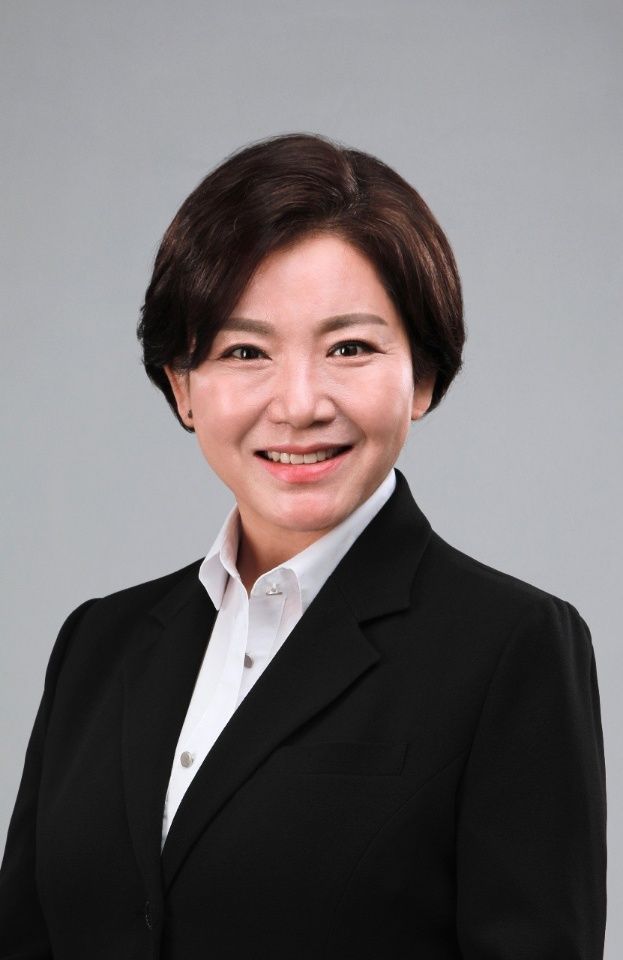
She continued, “Mayor Kang Gi-jung, as a member of the National Assembly, was a key figure in introducing the long-term care system and is leading universal welfare through ‘Gwangju-style Integrated Care,’ which embodies the spirit of Gwangju,” emphasizing, “Now, a major transformation in Gwangju’s welfare is needed to secure transparency, professionalism, and publicness in long-term care services, which account for 65% of Gwangju’s total welfare for the elderly.”
According to Councilor Park, in 2008, the government introduced the elderly long-term care insurance system utilizing the private sector. Although it expanded quantitative services and met care demands within a short period, various side effects also appeared. According to the 2022 Ministry of Health and Welfare’s Elder Abuse Status Report, cases of abuse in elderly living facilities increased by 74.2%, from 380 cases in 2018 to 662 cases in 2022.
Councilor Park stated, “Due to changes in the times, users of elderly long-term care services and their families increasingly demand safe and high-quality service provision,” and argued, “To achieve a qualitative leap in service, the Gwangju-type Safe Care Certification System must be introduced.”
The Safe Care Certification System operates on an application basis, and when certified, incentives are strengthened to enable the provision of high-quality services to users. Additionally, institutions receive expanded public support for safe and professional management, and workers gain greater employment stability.
She proposed, “Improving the treatment of long-term care workers, who face high turnover rates due to low wages and poor working conditions and suffer from a lack of social recognition, along with proactive administration by Gwangju City,” and explained, “A governance system for service delivery must also be established among Gwangju City, Gwangju Social Service Institute, the Long-term Care Comprehensive Support Center, and the National Health Insurance Corporation.”
Furthermore, she added, “According to projections of the elderly population in Gwangju, by 2033, one in four residents will be elderly,” and stressed, “We must start preparing now for the expansion of the national responsibility system for dementia patients, strengthening the publicness of welfare, and the qualitative transformation and ecosystem establishment of social welfare services for a major welfare transformation in Gwangju.”
© The Asia Business Daily(www.asiae.co.kr). All rights reserved.
![Clutching a Stolen Dior Bag, Saying "I Hate Being Poor but Real"... The Grotesque Con of a "Human Knockoff" [Slate]](https://cwcontent.asiae.co.kr/asiaresize/183/2026021902243444107_1771435474.jpg)















