Reintroduction of Collaborative Budget Used During Moon Jae-in Government
Selection of Areas Including Low Birthrate, Youth, and Medical Care
Formation of Inter-Ministerial Task Force (TF) to Integrate and Coordinate Overlapping Projects
Focus on Filtering Overlapping Projects to Enhance Fiscal Efficiency
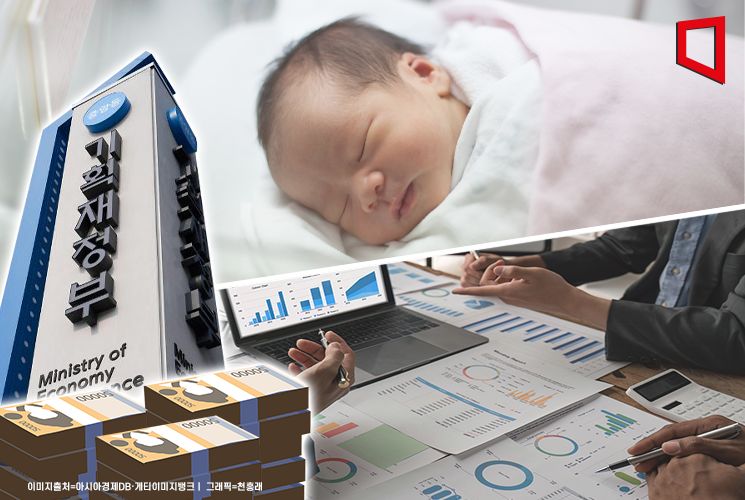
The Ministry of Economy and Finance has decided to reintroduce the collaborative budgeting system, first attempted during the Moon Jae-in administration, in the budget formulation process for next year. The plan is to promote fiscal discipline by having each ministry proactively filter out overlapping projects across most sectors, including national priorities such as low birthrate, youth, and healthcare.
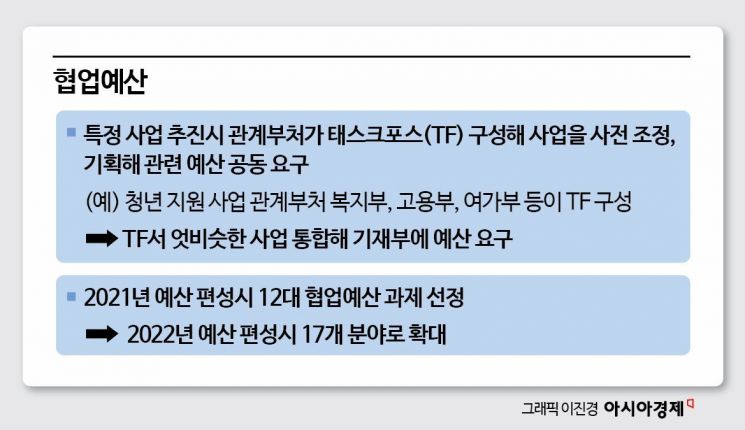
According to the government on the 10th, the Ministry of Economy and Finance will utilize this collaborative budgeting system during the review process of next year’s budget. Collaborative budgeting refers to the formation of a task force (TF) by related ministries to pre-coordinate and plan projects and jointly request related budgets. For example, in the case of youth support projects, related ministries such as the Ministry of Health and Welfare, Ministry of Employment and Labor, and Ministry of Gender Equality and Family form a TF and integrate similar projects that had been carried out through different subordinate agencies to request a consolidated budget. It is expected that the upcoming National Fiscal Strategy Meeting will prominently discuss the collaborative budgeting approach aimed at restructuring the budget.
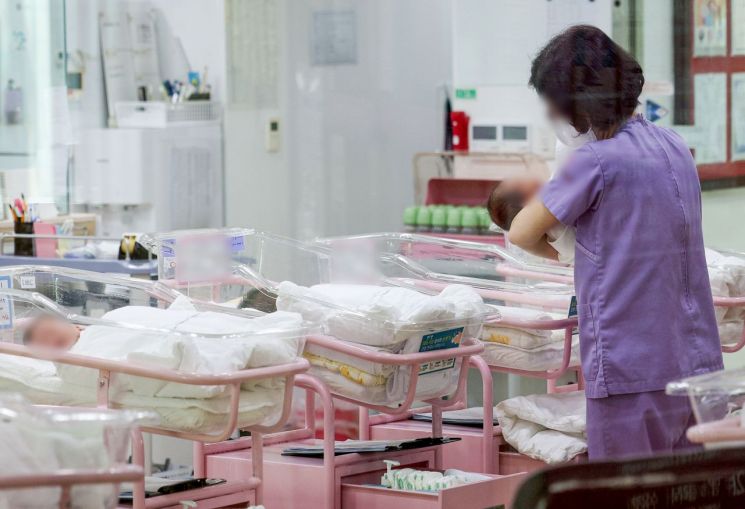
The Ministry of Economy and Finance has ensured that collaborative budgeting occurs not only in key agendas such as low birthrate, healthcare, and youth but also in major areas like small and medium enterprise support. A ministry official explained, “We have identified as many agendas as possible to facilitate collaborative budgeting across various sectors.” The Budget Office of the Ministry plays a role in filtering out overlapping projects scattered across ministries. However, the Ministry believes that if the project ministries responsible for the projects first integrate similar projects, it will be possible to more efficiently identify budget blind spots.
First Introduction of 'Collaborative Budgeting' in 2021 Budget Formulation
Collaborative budgeting was first introduced during the Moon Jae-in administration in the 2021 budget formulation. At that time, the Ministry of Economy and Finance selected 12 collaborative budgeting tasks, including digital new technology workforce training and support for global vaccine, new drug, and medical device development. The following year, collaborative budgeting was expanded to 17 areas. However, under the Moon administration’s expansionary fiscal policy, where expenditures exceeded revenues, the result of collaborative budgeting in 2021 led to a 30% increase in related collaborative budgets. This time, unlike the previous administration, the focus is expected to be on budget reduction. A government ministry official hinted, “We have heard from the Ministry of Economy and Finance that it will be difficult to receive new project budgets unless they are part of collaborative budgeting, indicating a challenging budget formulation environment for ministries.”
The Ministry of Economy and Finance has brought up collaborative budgeting due to the challenging fiscal situation. From January to March, national tax revenues were 2.2 trillion won less than the previous year, which had already experienced a revenue shortfall. Since the government intends to maintain a sound fiscal stance, it does not plan to significantly increase the total expenditure growth rate. Therefore, to launch new projects, existing projects will need to be ‘restructured’ as much as possible to reduce budgets. To this end, the Ministry has also offered incentives for efficient budget restructuring between ministries. A ministry official said, “If such collaboration is deemed successful, we will consider providing basic operating expenses necessary for collaboration to the ministries,” adding, “We intend to respect new projects created through resource savings as much as possible.”
Although intense restructuring was carried out last year during this year’s budget formulation, the intensity is expected to increase further this year. The Ministry of Economy and Finance has also decided to remove barriers between fund accounting and special accounting. Fund accounting and special accounting involve transferring or depositing funds to other funds or accounts for efficient project operation. Another ministry official emphasized, “If a project is important but lacks related resources, we plan to support it by reallocating resources from less important projects in other funds or accounts,” adding, “We will break down barriers not only within departments but also between ministries to properly shake up and restructure the budget.”
© The Asia Business Daily(www.asiae.co.kr). All rights reserved.



















