KOSPI 200 PBR Lower Than China, India, and Others
The price-to-book ratio (PBR) of the KOSPI 200, which represents the domestic stock market, was found to be significantly lower than that of most developed countries as well as emerging markets.
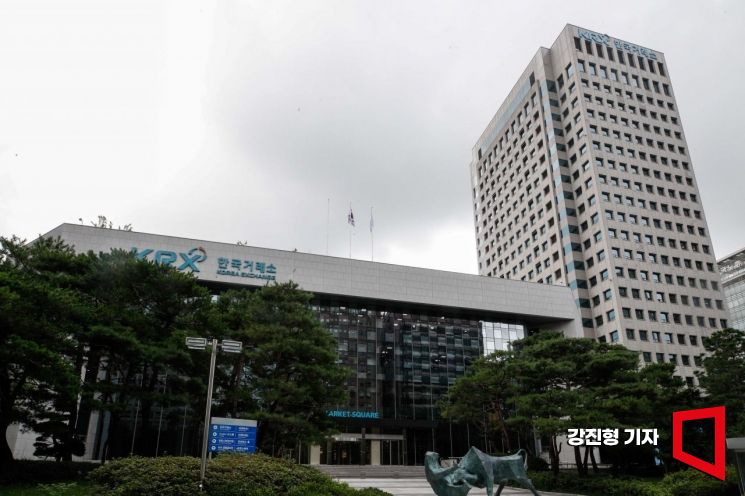
According to the "Comparison of Investment Indicators between the KOSPI Market and Major Overseas Markets" released by the Korea Exchange on the 3rd, the PBR of the KOSPI 200, reflecting the 2023 fiscal year financial statements, was recorded at 1.0. This is not only lower than the average of developed countries (23 countries including the United States and Japan) at 3.2, but also below the emerging markets average (24 countries including China and India) of 1.7.
Additionally, the price-to-earnings ratio (PER) of the KOSPI 200 was 21.2, higher than the 15.2 of emerging markets and similar to the 20.9 of developed countries. The dividend yield was 2.0%, slightly higher than the 1.9% of developed countries but lower than the 2.7% of emerging markets.
Meanwhile, the PER of all KOSPI-listed companies in 2023 recorded 20.7, showing a relatively large increase compared to 13.3 the previous year. Although net income decreased by 29.7% due to the overall economic slowdown last year, market capitalization increased by 9.4% following expectations of economic recovery since the fourth quarter.
Furthermore, the PBR of the KOSPI remained at 1.0, the same level as the previous year, as the market capitalization and total equity of KOSPI-listed companies increased at similar rates.
The KOSPI dividend yield, calculated by dividing the dividends of listed companies by the current stock price, slightly decreased from 2.0% the previous year to 1.9%. Although the total dividends of KOSPI-listed companies increased to 39 trillion won last year compared to the previous year, the market capitalization growth rate was relatively higher.
© The Asia Business Daily(www.asiae.co.kr). All rights reserved.