Results of Seasonal Management System Implementation: PM2.5 Concentration 16.4㎍/㎥
Total of 62 Days with 'Good' PM2.5 Levels... Noticeable Improvement in Perceived Environment
Ulsan City reported that the concentration of ultrafine dust reached 16.4㎍/㎥, the lowest level among special and metropolitan cities.
This result comes from the implementation of the ‘5th Seasonal Fine Dust Management Plan’ from December last year to the end of March this year, which is significantly lower than the national average of 21.0㎍/㎥.
The ‘Seasonal Fine Dust Management Plan’ is a system that reduces and manages air pollutant emissions more strictly than usual from December 1 to March 31 of the following year, when fine dust concentrations are seasonally high. It was first implemented in December 2019.
In its fifth year, the plan showed a significant improvement in the air quality perceived by citizens, with 62 days classified as having good ultrafine dust levels and no days classified as very bad. Compared to the first seasonal management plan, the average ultrafine dust concentration improved by about 12%, and the number of good air quality days increased by 13 days.
Officials stated that while climate factors played a role, the major impact came from the results of 15 projects across four sectors?industry, daily life, transportation, and health protection?aimed at reducing fine dust.
In the transportation sector, for the first time this year, operation restrictions were imposed on grade 5 old diesel vehicles, resulting in the detection of 8,158 violating vehicles. Efforts were made to reduce fine dust from automobiles through special emission inspections and idling crackdowns.
To suppress fine dust emissions from ports and docks, the ship slow-speed operation program was applied with increased discounts on entry and exit fees: container and car carrier ships received a 40% discount (up 10% from the previous 30%), and petroleum product carriers received a 25% discount (up 10% from the previous 15%), with 870 vessels participating.
In the industrial sector, voluntary agreements were signed with 31 air emission facilities to reduce fine dust, and facilities with excellent reduction rates were offered incentives such as basic emission charge reductions.
Special three-dimensional inspections using drones were conducted on air emission facilities, resulting in the detection of 29 violating sites and administrative actions including prosecution for seven sites with serious violations.
In the daily life sector, illegal burning in rural areas was cracked down on, with a total of 46,637 tons of agricultural residue collected and processed. Dust suction vehicles, street sweepers, and water spraying vehicles were operated more than twice daily to clean fine dust from 16,375 km of roads.
In the health protection sector, special indoor air quality inspections were conducted at 215 multi-use facilities such as daycare centers and elderly care facilities. Two facilities with deficiencies were fined, and air purifier rental fees were supported for eight facilities housing people with disabilities.
An official from the city said, “The ultrafine dust concentration recording the lowest level nationwide and the significant improvement compared to the 4th plan is thanks to the active cooperation of citizens and businesses. Even after the seasonal management plan, we will continue to implement fine dust reduction measures such as early vehicle scrappage, electric vehicle distribution projects, and support for installing air pollution prevention facilities in small businesses to do our best to improve the environment experienced by citizens.”
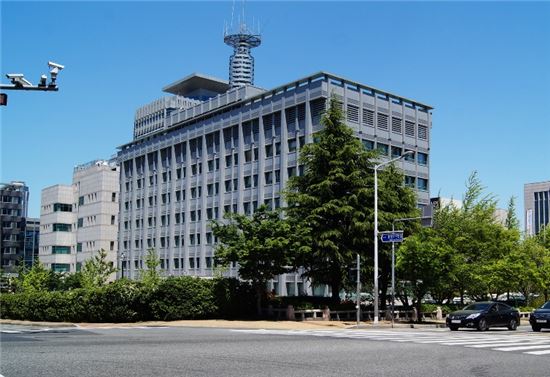 Ulsan City Hall.
© The Asia Business Daily(www.asiae.co.kr). All rights reserved.
![Clutching a Stolen Dior Bag, Saying "I Hate Being Poor but Real"... The Grotesque Con of a "Human Knockoff" [Slate]](https://cwcontent.asiae.co.kr/asiaresize/183/2026021902243444107_1771435474.jpg)














