65.1% of Consumers Prefer Home-Cooked Meals
Side Dishes Mainly Purchased from Side Dish Shops and Large Supermarkets
Quality and Taste Are Key Considerations When Buying
Amid a clear preference for home-cooked meals over dining out, it was found that 8 out of 10 consumers have experience purchasing side dishes. Buying side dishes is seen as a rational consumption method in terms of price and quality.
On the 26th, market research firm Embrain and Trend Monitor conducted a ‘Home Meal Consumption and Side Dish Specialty Store (Shop) U&A (Usage & Attitudes) Survey’ targeting 1,000 adults aged 13 to 59 nationwide. The results showed that 65.1% of respondents preferred meals eaten at home. They tended to eat home-cooked meals more often than dining out or ordering delivery.
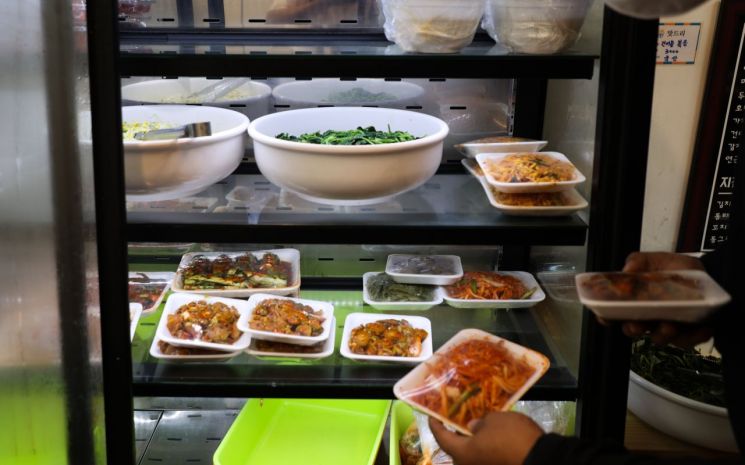
When eating home-cooked meals, respondents clearly wanted at least one main side dish along with basic side dishes (77.1% agreement rate), and generally felt the need for basic side dishes (67.9%). Among home meal side dishes, eating homemade side dishes was the most common (81.0%, multiple responses allowed), followed by purchased side dishes (49.0%) and side dishes brought from parents’ homes (47.6%) in terms of consumption share.
As the importance of home side dishes increased, more than half of respondents (56.6% agreement rate) felt that it was better to cook basic side dishes at home, showing an overall preference for side dishes made by oneself.
However, there was also a considerable perception that purchasing basic side dishes is cost-effective (54.7%) and even feels cheaper than cooking them oneself (52.8%). Given the recent economic downturn and rising prices increasing household food expenses, the ability to purchase only the desired side dishes without food waste is regarded as rational consumption.
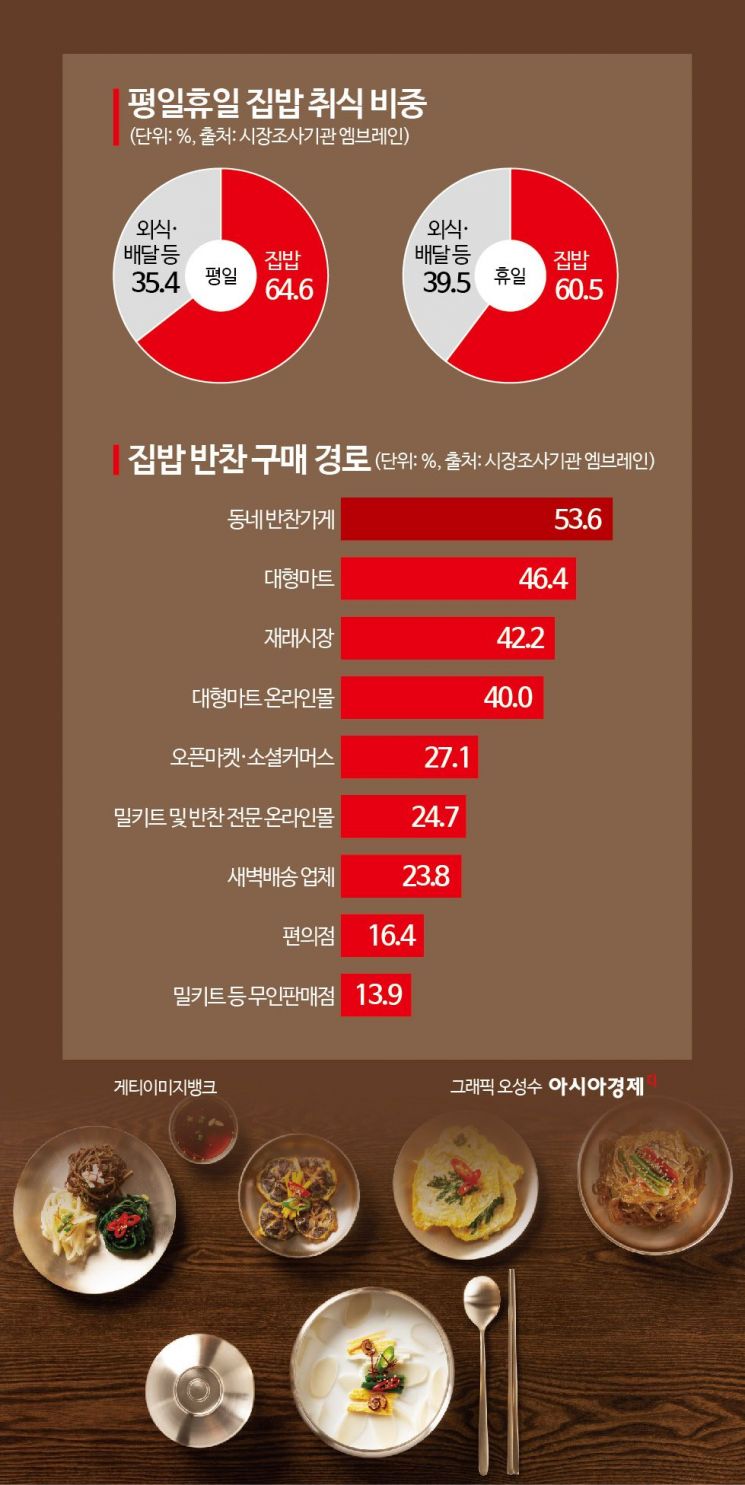
In fact, the demand for purchasing side dishes has been rising recently, as confirmed by the fact that 8 out of 10 respondents (81.1%) have experience buying home meal side dishes. By purchase location, neighborhood side dish shops were the most common at 53.6%, followed by stores inside large supermarkets (46.4%), side dish shops in traditional markets (42.2%), online malls of large supermarkets (40.0%), open markets/social commerce platforms (27.1%), and meal kit and side dish specialty online malls (24.7%).
On the other hand, franchise side dish specialty stores still had a relatively low usage rate (36.0%). Although some franchise side dish shops were chosen for their accessibility by visitors, they have yet to secure sufficient competitiveness in terms of brand awareness compared to small neighborhood side dish shops or traditional markets.
When purchasing side dishes, quality and price competitiveness were the main considerations. Among offline side dish shop users, the highest responses were for considering the taste of the side dishes (80.6%) and reasonable price (77.6%) first, followed by menu variety (50.9%), store cleanliness (48.6%), proximity (38.2%), and packaging condition (28.4%).
The primary reason for using side dish shops was saving time (57.8%), with many also mentioning that it is cheaper than making side dishes themselves (45.0%) and that making side dishes feels cumbersome (40.4%). This suggests that consumers are interested in and favor the ability to save time and costs compared to the effort involved in making side dishes.
© The Asia Business Daily(www.asiae.co.kr). All rights reserved.
![Clutching a Stolen Dior Bag, Saying "I Hate Being Poor but Real"... The Grotesque Con of a "Human Knockoff" [Slate]](https://cwcontent.asiae.co.kr/asiaresize/183/2026021902243444107_1771435474.jpg)
















