The World Bank warned on the 25th (local time) that if a large-scale conflict breaks out in the Middle East, oil prices could soar above $100 per barrel, potentially fueling inflation.
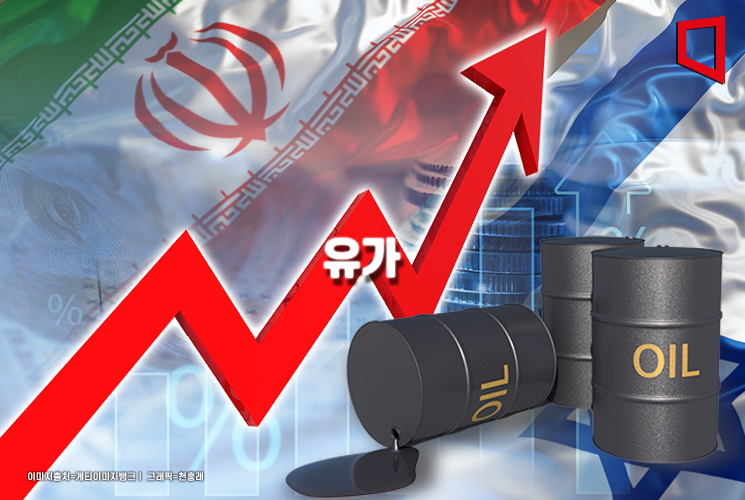
Recently, geopolitical tensions in the Middle East have reached a peak as Israel and Iran, a member of the Organization of the Petroleum Exporting Countries (OPEC), exchanged retaliatory attacks. Although concerns about the conflict escalating into a full-scale war have somewhat eased, causing oil prices to fall about 4% from their peak, the World Bank stated that the situation in the Middle East remains highly uncertain. According to foreign media reports, on the same day, the Israeli military withdrew its main infantry brigade, which had been stationed in the Gaza Strip, to attack Rafah, the southernmost city of the Gaza Strip and Hamas's last stronghold.
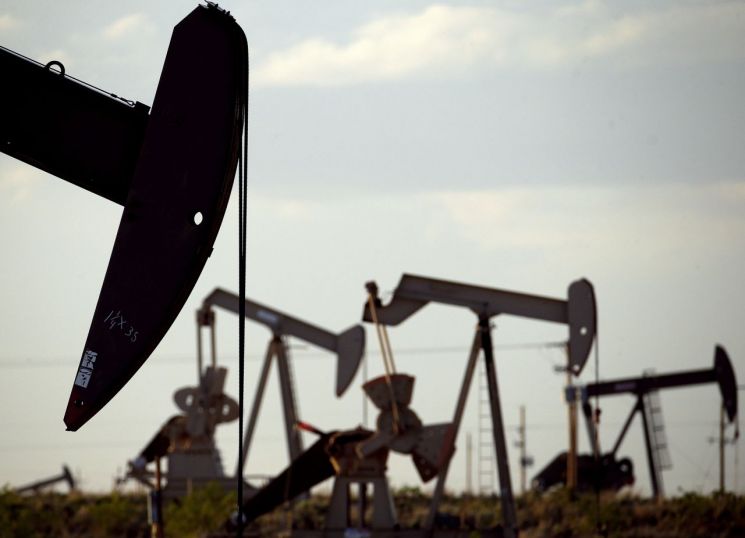
On the New York Mercantile Exchange that day, West Texas Intermediate (WTI) crude oil closed at $83.57 per barrel, up $0.76 (0.9%) from the previous trading day. Brent crude, the global benchmark for oil prices, traded at $89.01 per barrel, up $0.99 (1.1%).
According to the World Bank's commodity market outlook report, if a conflict occurs in one or more oil-producing countries in the Middle East causing a daily supply disruption of 3 million barrels, oil prices could rise to an average of $102 per barrel. Such a price shock is expected to undermine governments' efforts to curb inflation.
Indermit Gill, the World Bank's Chief Economist, said, "The world is at a vulnerable moment," adding, "A large-scale energy shock could largely derail the inflation reduction efforts made over the past two years."
According to the World Bank, global inflation fell by 2% between 2022 and 2023, largely due to a roughly 40% plunge in commodity prices. With commodity prices currently stabilizing, they are expected to decline slightly by 3% this year and 4% next year. Chief Economist Gill explained, "The main driver of falling prices, the decline in commodity prices, has reached its limit," meaning "interest rates may remain higher than expected through next year."
Meanwhile, international oil prices face upward pressure due to the Middle East conflict, but there is also a possibility of price declines if OPEC+ begins to ease production cuts this year. If oil-producing countries increase supply by 1 million barrels per day in the second half of this year, oil prices are expected to fall to an average of $81 per barrel.
© The Asia Business Daily(www.asiae.co.kr). All rights reserved.
![Clutching a Stolen Dior Bag, Saying "I Hate Being Poor but Real"... The Grotesque Con of a "Human Knockoff" [Slate]](https://cwcontent.asiae.co.kr/asiaresize/183/2026021902243444107_1771435474.jpg)

















