A primary school teacher in his 30s, who was prosecuted for filming minors for sexual exploitation, possessing such materials, and sexually assaulting minors, has been sentenced to 13 years in prison.
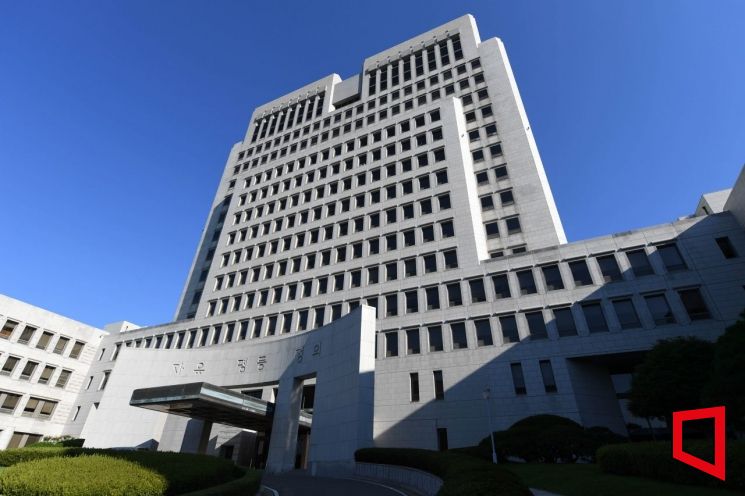
According to the legal community on the 25th, the Supreme Court's 3rd Division (Presiding Justice No Jeong-hee) upheld the original sentence of 13 years imprisonment for Mr. A, a primary school teacher in his 30s, who was charged with violating the Youth Protection Act (habitual production and distribution of sexual exploitation materials) and other offenses.
Mr. A was indicted for producing and possessing approximately 1,900 sexual exploitation materials by coercing children and adolescents to perform obscene acts and filming them over six years from February 2015 to February 2021. The number of victims reached about 120. Investigations revealed that Mr. A approached the victims through messenger apps. He was also charged with engaging in quasi-sexual acts with child and adolescent victims in person during the commission of the crimes.
The first trial sentenced Mr. A to 8 years in prison for habitual production of sexual exploitation materials and 7 years for quasi-rape of minors.
During the appeal, the prosecution requested a change in the indictment, adding charges that Mr. A committed the same crimes against 121 people from February 2015 to January 2021 and produced 1,910 sexual exploitation materials. The appellate court accepted the change in indictment and sentenced Mr. A to 18 years in prison.
However, the Supreme Court found legal issues with the appellate court's approval of the prosecution's change in indictment and remanded the case.
Subsequently, the prosecution separately indicted the charges that the Supreme Court did not approve. The first trial court sentenced Mr. A to 5 years in prison for this part.
The Suwon High Court, which consolidated the remanded and newly indicted charges, sentenced Mr. A to 13 years in prison in December last year. Most charges were upheld except for some possession offenses.
Mr. A appealed again citing unfair sentencing, but the Supreme Court dismissed the appeal, stating that "there is no reason to consider the 13-year sentence by the appellate court as unfair."
© The Asia Business Daily(www.asiae.co.kr). All rights reserved.
![Clutching a Stolen Dior Bag, Saying "I Hate Being Poor but Real"... The Grotesque Con of a "Human Knockoff" [Slate]](https://cwcontent.asiae.co.kr/asiaresize/183/2026021902243444107_1771435474.jpg)















