Judgment Based on Existing Supreme Court Precedents Regarding Obstruction of Business Crimes Such as Licensing and Account Opening
The Supreme Court overturned a lower court ruling that recognized the defendant's guilt for obstructing business at financial institutions after opening as many as 600 shell company bank accounts with the intent to sell them to operators of illegal online gambling sites or voice phishing organizations.
The ruling followed the Supreme Court's precedent that in cases where administrative authorities decide whether to accept an application based on certain qualifications?such as permits or visa issuance?if the reasons stated in the submitted documents may differ from the facts, and the officer in charge accepts the application without sufficient review, relying lightly on the applicant's submitted evidence, then the crime of obstruction of business by deception does not apply.
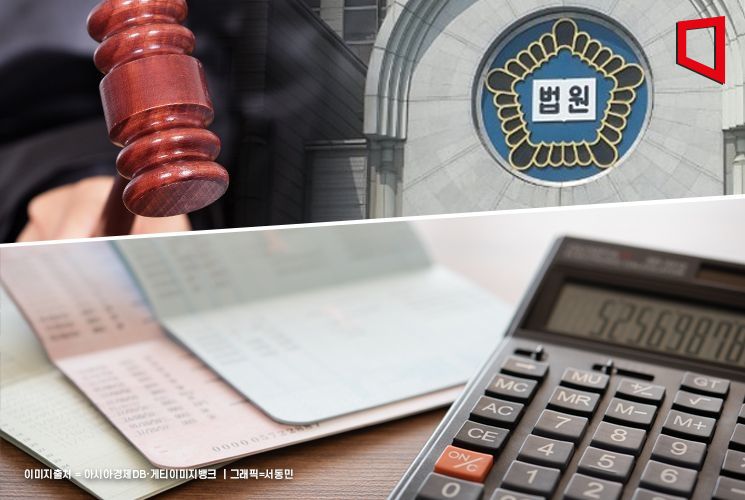
According to the legal community on the 23rd, the Supreme Court's Third Division (Presiding Justice Oh Seok-jun) overturned the original sentence of two years imprisonment for A, who was indicted on charges of obstruction of business and violation of the Electronic Financial Transactions Act, and remanded the case to the Seoul Central District Court.
The court stated, "The original ruling failed to conduct necessary hearings, violated the rules of logic and experience, exceeded the limits of free evaluation of evidence, and misinterpreted the legal principles regarding the establishment of obstruction of business by deception, which affected the judgment," explaining the reasons for overturning and remanding.
In the case of bank account opening, whether obstruction of business by deception is established depends on whether the financial institution conducted proper screening. The appellate court's failure to examine this and its recognition of A's guilt for obstruction of business was deemed erroneous.
A was appointed as the representative of a shell company in 2019, completing corporate registration changes by nominating B as the name lender, and then opened a corporate account at a bank branch.
It was investigated that A submitted documents such as business registration certificates and seal certificates to the bank, making the shell company appear as a legitimate business, with the intent to distribute the linked bankbooks and check cards to illegal gambling site operators or voice phishing organizations.
From November 2019 to May 2022, A opened 602 accounts under 35 shell companies at financial institutions in this manner, obstructing the business of financial institutions (obstruction of business), and along with other accomplices, transferred bankbooks and OTPs as access media to illegal online gambling site operators or voice phishing organizations for compensation (violation of the Electronic Financial Transactions Act), leading to prosecution.
Previously, the first and second trials found A guilty on all charges and sentenced him to two years imprisonment.
However, the Supreme Court's judgment differed.
First, citing a 2004 Supreme Court precedent, the court stated, "For tasks where acceptance is decided only if certain qualifications are met based on applications received from the other party, it is premised that the reasons stated in the application may not correspond to the facts. Therefore, the officer in charge judges the qualifications accordingly. If the officer accepts the application lightly believing false application reasons or false evidence submitted by the applicant without sufficient verification, this is due to insufficient examination by the officer, and the applicant's deception does not create a risk of obstruction of business by deception, thus not constituting the crime."
Furthermore, citing a precedent from August last year, the court added, "Therefore, even if the applicant for account opening falsely states facts regarding the purpose of financial transactions or intent to transfer access media in the deposit transaction application, if the financial institution officer responsible for account screening simply believes the false answers in the application without requesting supporting documents or taking additional verification measures, and opens the corporate account, this does not constitute obstruction of business by deception."
Regarding this case, the court pointed out that "the lower court should have conducted necessary hearings on whether the officers in charge at the victim financial institutions requested additional documents to verify the truth of the financial transaction purpose from the defendant and others, and whether the defendant and others submitted false documents or forged documents, causing the officers to fail to detect the falsehood and open the corporate accounts."
© The Asia Business Daily(www.asiae.co.kr). All rights reserved.
![Clutching a Stolen Dior Bag, Saying "I Hate Being Poor but Real"... The Grotesque Con of a "Human Knockoff" [Slate]](https://cwcontent.asiae.co.kr/asiaresize/183/2026021902243444107_1771435474.jpg)















