Golf Course Visitors Decrease by 2.86 Million Compared to 2022
Sharp Increase in Green Fees, Cart Fees, and Caddy Fees Raises Cost Concerns
Overseas Golf Travel Possible, Japan and Southeast Asia Rounds Popular
"These days, except for the Seoul metropolitan area, booking has become easier." The golf industry is in crisis. Signs of abnormality are appearing in various places. Golf courses, equipment companies, and apparel are all struggling simultaneously. The effects of COVID-19 are also fading. The domestic golf community has expressed self-reflective voices, saying, "It seems the crisis came due to our mistakes. If we do not respond properly, a downturn could be followed by a prolonged slump."
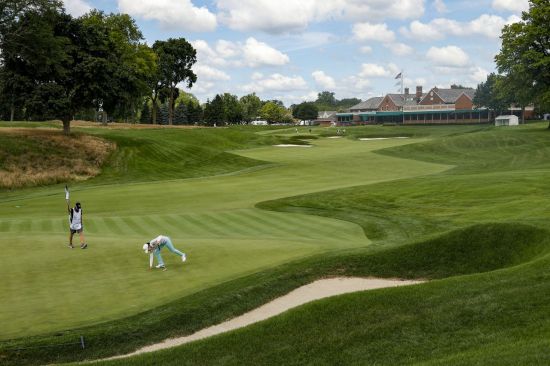 Golf courses are in crisis. The number of visitors has decreased by 2.86 million compared to a year ago.
Since last year, the growth of domestic golf courses has slowed down. Coupled with the domestic economic recession, the number of golf course users, sales, entrance revenue, and profits have all declined. In particular, the number of visitors to golf courses has sharply decreased. On the 8th, the Korea Golf Course Business Association (KGBA) released a press statement full of concern. It was the 2023 National Golf Course and User Status report. The survey targeted 522 golf courses nationwide operating with 6 or more holes throughout last year. According to these statistics, from January 1 to December 31 of last year, about 47.72 million visitors came to the 522 golf courses nationwide. This is a 5.7% decrease compared to about 50.58 million in 2022. The number dropped by a whopping 2.86 million compared to the previous year. The average number of users per hole was 4,610, down by 396 from 5,006 in 2022. By region, Jeju Island experienced the largest decline at 15%.
Golf courses had enjoyed a special boom during COVID-19. The fact that it is an outdoor sport with a relatively lower risk of COVID-19 infection gave it strength. Since overseas golf trips became impossible, the golf population concentrated on domestic golf courses. Moreover, the number of people newly starting golf surged, resulting in a true boom. However, as green fees, cart fees, and caddy fees rose, the burden on golfers increased. They reluctantly accepted the commercial intentions of golf courses.
 Domestic golf courses, benefiting from the COVID-19 boom, have even introduced limousine electric carts priced at 360,000 won.
Until 2018, demand and supply for golf courses were somewhat balanced, but COVID-19 changed everything. Excess demand for golf occurred, causing usage fees to skyrocket. From May 2020, right after the COVID-19 outbreak, until May 2023, green fees for public courses soared. On weekdays, fees rose from 134,000 KRW in May 2020 to 177,000 KRW over three years, a 33.9% increase. On Saturdays, fees jumped from 181,000 KRW to 221,000 KRW, a 24.8% rise.
The decline in the Jeju region is particularly severe. Compared to the first half of 2022, last year’s net profit decreased by 114.8%. The disappearance of Chinese tourists has also caused operational difficulties. It is even hard to fill tee times on weekdays. The CEO of Golf Course A in Jeju expressed concern, saying, "The atmosphere among Jeju golf courses is unusual. They are seeking ways to survive in various ways." This official also conveyed the local mood, stating, "Hosting professional tournaments is a big help. Competition among golf courses in the province to attract such events is intense."
Since mid-last year, when COVID-19 subsided, changes have occurred. Golfers have turned their attention to relatively affordable overseas destinations. In Southeast Asia, such as Thailand, the Philippines, and Vietnam, rounds can be played at economical costs. There are many packages that allow enjoying both golf and travel. Geographically close Japan is also experiencing a weak yen phenomenon. Amateur golf expert Mr. B, who regularly enjoys golf, said, "I purchased a membership at a golf course in Malaysia. I am enjoying golf without a heavy financial burden."
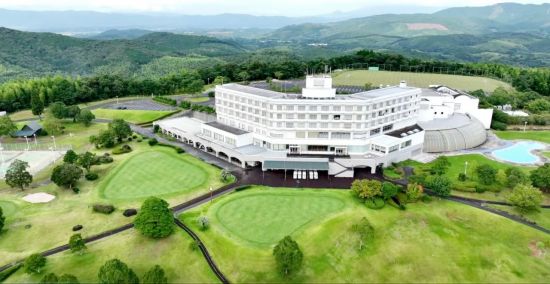
Domestic companies are also acquiring overseas golf courses. Show Golf is a representative example. After acquiring Satsuma Golf & Onsen Resort in Kagoshima Prefecture, Japan, the founding shares were closed last February. The first round of shares released last month is also nearing closure. Kagoshima has an average annual temperature of 20 degrees Celsius, making it a pleasant place to enjoy golf. Customers are highly satisfied as they can enjoy rounds on well-maintained courses as well as hot spring baths. For customers, all guides are displayed in both Japanese and Korean, and Korean resident staff have been assigned.
With the end of COVID-19 and the revitalization of overseas golf travel, domestic golf courses are facing an emergency. Except for the suburbs of Seoul and the metropolitan area, filling tee times has become quite difficult. Golf courses are sending text messages to golfers who have visited, informing them of various events and green fee reductions. Golf Course C in Chuncheon, Gangwon Province, was difficult to book until last year. It was said that "you had to call about 1,000 times to make a reservation." However, last month, this golf course allowed two-player rounds to attract customers. It was a desperate measure to fill teams.
To bring domestic golf courses back on track, lowering usage fees is urgent. According to the Korea Leisure Industry Research Institute, the net increase in golf course sales from 2020 to 2023 reached about 2.4863 trillion KRW. It is estimated that 5.78 million golfers spent an additional amount of about 430,000 KRW each. If the usage fee per golfer decreases, demand for overseas golf may decline. Naturally, domestic golf courses can regain vitality.
© The Asia Business Daily(www.asiae.co.kr). All rights reserved.
![Clutching a Stolen Dior Bag, Saying "I Hate Being Poor but Real"... The Grotesque Con of a "Human Knockoff" [Slate]](https://cwcontent.asiae.co.kr/asiaresize/183/2026021902243444107_1771435474.jpg)

















