A kindergarten in Seoul, which has been using public land without permission for over 40 years, filed a lawsuit requesting the cancellation of compensation fees imposed by the Seoul Metropolitan Government, but the court did not accept the claim.
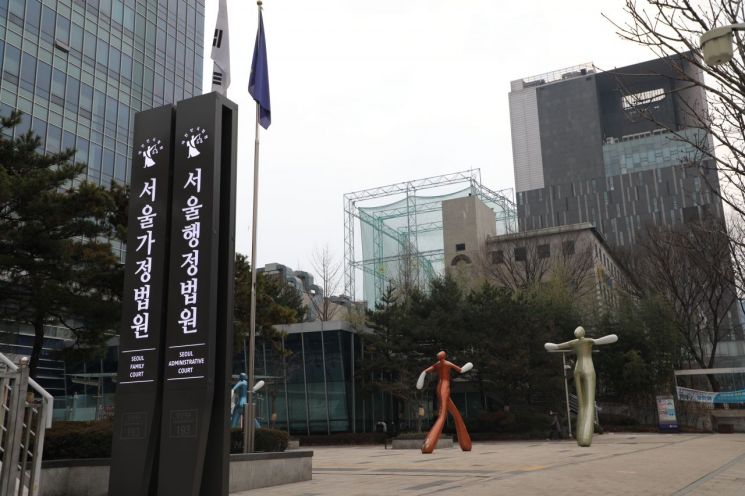
According to the legal community on the 9th, the Administrative 7th Division of the Seoul Administrative Court ruled against the plaintiffs, Mr. A, who operated the kindergarten, and his spouse, in the lawsuit filed against Seoul Housing & Communities Corporation (SH) seeking cancellation of the compensation fee imposition.
Mr. A and his spouse purchased land and a building within an apartment complex in Gangnam-gu, Seoul, in 1978 and operated the kindergarten for over 40 years. During this period, they installed a swimming pool, sand play facilities, and other structures on 424㎡ (approximately 128 pyeong) of public land owned by the city adjacent to the boundary of the purchased land, effectively using it as part of the kindergarten premises.
Previously, Mr. A and his spouse claimed that they had peacefully and openly possessed the public land for over 40 years and filed a lawsuit against the Seoul Metropolitan Government in 2018 to register ownership transfer based on acquisitive prescription (20 years), but they lost the case. After the ruling against Mr. A and his spouse was finalized in 2021, Seoul imposed compensation fees amounting to over 1.8 billion KRW for unauthorized occupation of the public land from 2016 to 2021, a period of five years. According to the Local Finance Act, the statute of limitations for compensation claims is five years, so the fees were imposed based on the most recent five years prior to the ruling.
Mr. A and his spouse filed an appeal, arguing that "Seoul did not raise any objections to the possession and use of the public land for over 40 years, which can be implicitly regarded as consent to the use of the public land."
However, the court stated, "There is no evidence to suggest that Seoul was aware of the plaintiffs' unauthorized occupation of the land and did not raise any objections," and added, "Even if compensation fees are imposed after long-term neglect of possession and use of national property, the imposition of compensation fees does not violate procedural justice or the principle of trust, nor can the possessor's right to use and profit be recognized. This legal principle applies equally to public property."
© The Asia Business Daily(www.asiae.co.kr). All rights reserved.

















