Mayor Yoo Jeong-bok Sends Letter to US Company Requesting Export of Wireless Insulin Pumps
2,670 Type 1 Patients... Support for Management Device Costs
Incheon City is planning to establish a 'Diabetes Center,' the first of its kind among local governments in South Korea, to help the increasing number of diabetes patients. Additionally, support for the cost of management devices purchased by type 1 diabetes patients will begin at the end of March.
On the 25th, the city announced plans to install and operate a Diabetes Center that will serve as a control tower for diabetes prevention and patient care. This initiative is due to the low awareness and treatment rates despite a high diabetes diagnosis experience rate, highlighting the need for education and promotion. According to 2022 community statistics, Incheon ranks 2nd among 17 metropolitan cities and provinces nationwide in diabetes diagnosis experience rate, but ranks 15th in blood sugar level awareness and 11th in diabetes treatment rate.
The Diabetes Center will develop an Incheon-style diabetes management model, provide diet and exercise programs to diabetes patients, and operate experience and promotion centers for diabetes prevention.
Last year, the city allocated 500 million KRW for the operation of the Diabetes Center, but the entire budget was cut during the city council review. However, if 300 million KRW is included in the supplementary budget review in June, the city plans to entrust the operation of the Diabetes Center to a general hospital through a public offering. There is currently no diabetes center operated by local governments in South Korea.
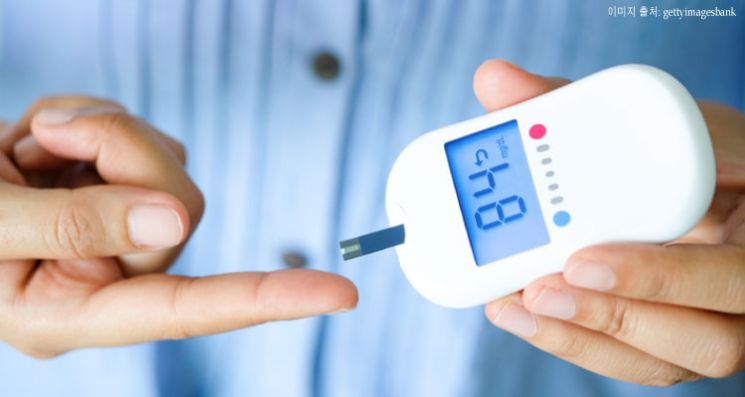
Additionally, starting at the end of this month, the city will support part of the cost of management devices purchased by type 1 diabetes patients, according to the 'Diabetes Patient Support Ordinance' enacted last September. The support covers 20% of the 30% out-of-pocket cost for management devices such as insulin pumps, continuous glucose monitors, and sensors for continuous glucose monitoring purchased by type 1 diabetes patients.
To receive support for device purchase costs, patients must buy products registered with the National Health Insurance Service and then apply at a public health center. However, patients must register as diabetes patients with the National Health Insurance Service before purchasing the product.
The city also plans to operate self-help groups and camps where diabetes patients and their families can share useful information about the disease. To this end, in May, representatives from the education office, management support groups, and families of diabetes patients will meet to discuss educational content and camp operation methods, with the first self-help group and camp scheduled for around September.
Incheon City recently sent a letter under Mayor Yoo Jeong-bok’s name to the U.S. medical device company Insulet, requesting the export of wireless insulin pumps. This followed a proposal made by a group of parents of pediatric and adolescent type 1 diabetes patients during a meeting with Mayor Yoo last month.
The company's wireless insulin pump addresses the drawbacks of wired insulin pumps, which restrict activities and may cause stigma by revealing the user as a patient when carried. Although it is sold in 24 countries worldwide, it is not yet officially available for purchase in South Korea.
Mayor Yoo said, "We conveyed the heartfelt wishes of type 1 diabetes patients to the U.S. company and are hopeful for a positive response. We will actively support efforts to alleviate the difficulties faced by diabetes patients and their families."
As of 2022, there are 3.6 million diabetes patients in South Korea, accounting for 7% of the total population, with 45,000 type 1 patients representing about 0.08% of the population. In Incheon, there are approximately 204,000 diabetes patients, 6.8% of the city’s population of 2,967,000, with about 2,670 type 1 patients, a number that is gradually increasing.
Type 1 diabetes is a disease caused by the complete lack of insulin secretion from the pancreas. It differs from type 2 diabetes, which occurs due to increased insulin resistance caused by poor diet or lack of exercise. While most adults have type 2 diabetes, about 90% of patients under 19 years old are type 1. Although it develops at a relatively young age, there is currently no complete cure.
© The Asia Business Daily(www.asiae.co.kr). All rights reserved.
![Clutching a Stolen Dior Bag, Saying "I Hate Being Poor but Real"... The Grotesque Con of a "Human Knockoff" [Slate]](https://cwcontent.asiae.co.kr/asiaresize/183/2026021902243444107_1771435474.jpg)















