As the Bank of Japan (BOJ) raised interest rates for the first time in 17 years, Japan's representative stock index, the Nikkei 225, recovered above the 40,000 level.
On the 19th, the Nikkei index closed at 40,263.16, up 263.16 points (0.66%) from the previous trading day. This marked the first time since March 7, when it recorded an all-time high of 44,472.11, that the index surpassed the 40,000 mark.
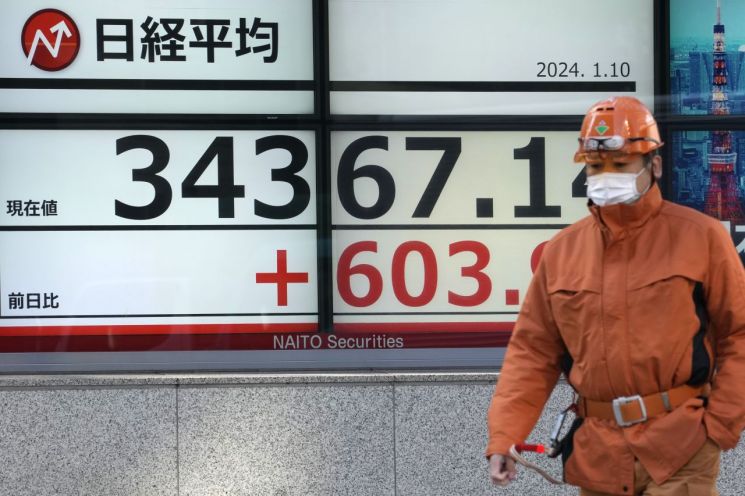
On the same day, the Bank of Japan (BOJ) decided to raise the short-term interest rate from -0.1% to a target range of 0 to 0.1%. This was the first rate hike in 17 years since February 2007.
The Nihon Keizai Shimbun analyzed that the policy change had already been underway and that the prevailing view that the accommodative financial environment would continue for some time led to dominant stock buying.
Despite the rate hike, the yen remained weak. Around 3:50 p.m. that day, the yen-dollar exchange rate stood at 150.38 yen. Although the yen had been weakening due to the interest rate differential between the U.S. and Japan, the yen’s value declined further even after the BOJ raised rates.
The Nihon Keizai Shimbun reported that the BOJ’s statement that it would "maintain an accommodative financial environment for the time being" influenced the view that the interest rate gap between the U.S. and Japan would persist for a while, which contributed to the yen’s depreciation.
© The Asia Business Daily(www.asiae.co.kr). All rights reserved.
![Clutching a Stolen Dior Bag, Saying "I Hate Being Poor but Real"... The Grotesque Con of a "Human Knockoff" [Slate]](https://cwcontent.asiae.co.kr/asiaresize/183/2026021902243444107_1771435474.jpg)
















