While the Infant and Toddler Population in Seoul Decreased by 28.8%, Gangdong-gu Saw Only an 11.4% Decline in the Last 5 Years
16 New Public Kindergartens to Open This Year and Next
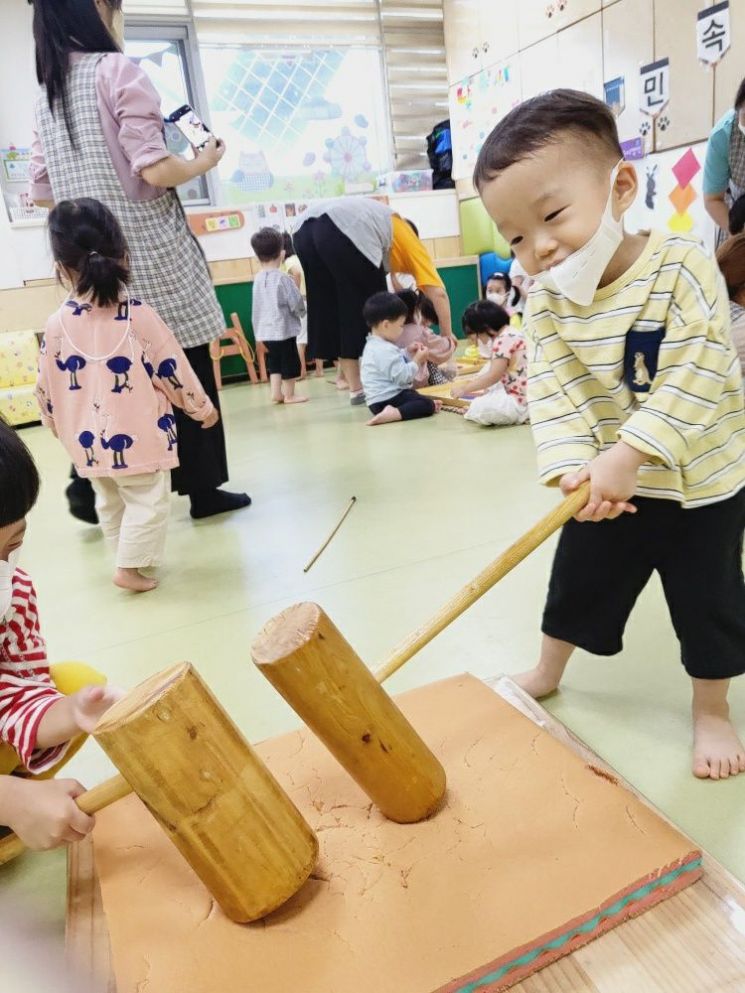 Children are engaged in play activities at a daycare center in Gangdong-gu. (Photo by Gangdong-gu Office)
"Over the past five years, about 25,000 new apartment units have been completed and occupied, and an additional 17,000 units will be occupied this year and next year."
This is not a statistic from a new town in the metropolitan area. It is about Gangdong-gu, Seoul. While the number of daycare centers has been significantly decreasing every year due to the decline in the infant population, and even public daycare centers are increasingly closing, the situation in Gangdong-gu is different.
Gangdong-gu will open a total of 16 new public daycare centers over the next two years, the highest number among Seoul’s autonomous districts. Last year, nationwide daycare centers decreased by 4,292 (from 33,246 to 28,954, a 12.9% decrease) over three years, and among them, Seoul alone saw a decrease of 1,261 centers (from 5,698 to 4,437, a 22.1% decrease).
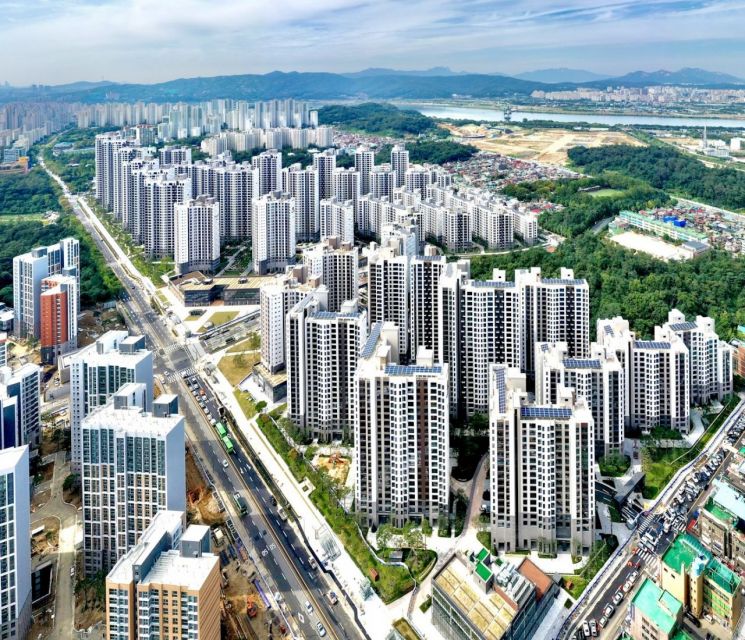
The noticeable expansion of public daycare centers in Gangdong-gu is closely related to new apartment construction. Redevelopment and reconstruction have been active in Gangdong-gu, and areas like Gangil and Godeok districts have continued land development projects, which are rare in Seoul.
Among the eight public daycare centers opening this year in Gangdong-gu, seven are located in new apartment complexes built on redevelopment, reconstruction, or land development sites. This month, the Gangdong Public Punggyeongchae Daycare Center opened in the Godeok Punggyeongchae Urbanity complex, and in the second half of the year, public daycare centers will open one after another in complexes such as Olympic Park Foreon, Gangdong Heritage Xi, and Gangdong Millennial Joongheung S-Class. Next year, public daycare centers will open in complexes like POSCO The Sharp Central City and e-Pyeonhansesang Gangdong Prestige.
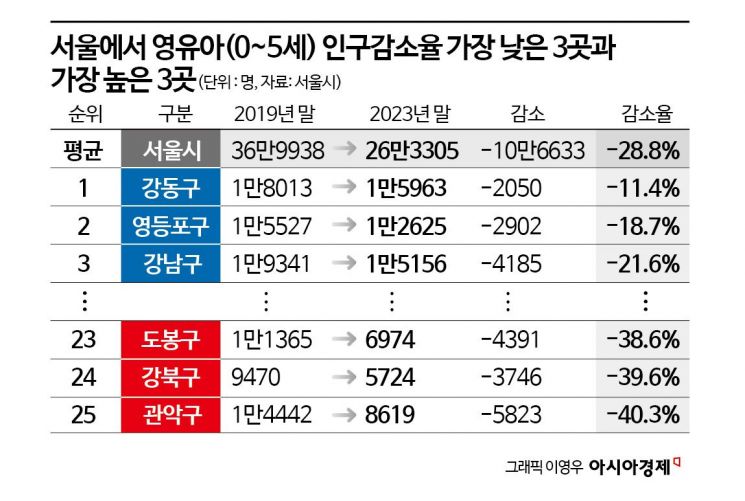
The supply of new apartments is closely related to childbirth and the influx of infant populations. According to Seoul City and Gangdong-gu, the total infant population (ages 0-5) in Seoul decreased by 28.8% over the past five years, from 369,938 in 2019 to 263,305 at the end of last year. In contrast, Gangdong-gu saw only an 11.4% decrease during the same period, the lowest decline rate among Seoul’s 25 autonomous districts.
Similarly, Yeongdeungpo-gu and Gangnam-gu, where redevelopment and reconstruction have been active and new apartment supply was high, had infant population decline rates of 18.7% and 21.6%, respectively, ranking second and third lowest among Seoul’s districts. In contrast, districts with relatively low new apartment supply such as Gwanak-gu, Gangbuk-gu, and Dobong-gu experienced infant population decline rates well above the average, the highest within Seoul.
The supply of new apartments leads to the influx of infant populations and an increase in the establishment of public daycare centers. A Gangdong-gu official explained, "When new apartment supply increases, a large number of young people, who directly affect the birth rate, move in, and the proportion of infants and elementary school children also expands due to special supply policies for newlyweds and families with multiple children."
According to the Infant Care Act, apartment complexes with 300 to 500 households must install daycare centers, and complexes with over 500 households are required to install and operate public daycare centers.
© The Asia Business Daily(www.asiae.co.kr). All rights reserved.
![Clutching a Stolen Dior Bag, Saying "I Hate Being Poor but Real"... The Grotesque Con of a "Human Knockoff" [Slate]](https://cwcontent.asiae.co.kr/asiaresize/183/2026021902243444107_1771435474.jpg)


















