Hanwha Group is hosting the science talent nurturing competition "Hanwha Science Challenge 2024" to create a sustainable tomorrow.
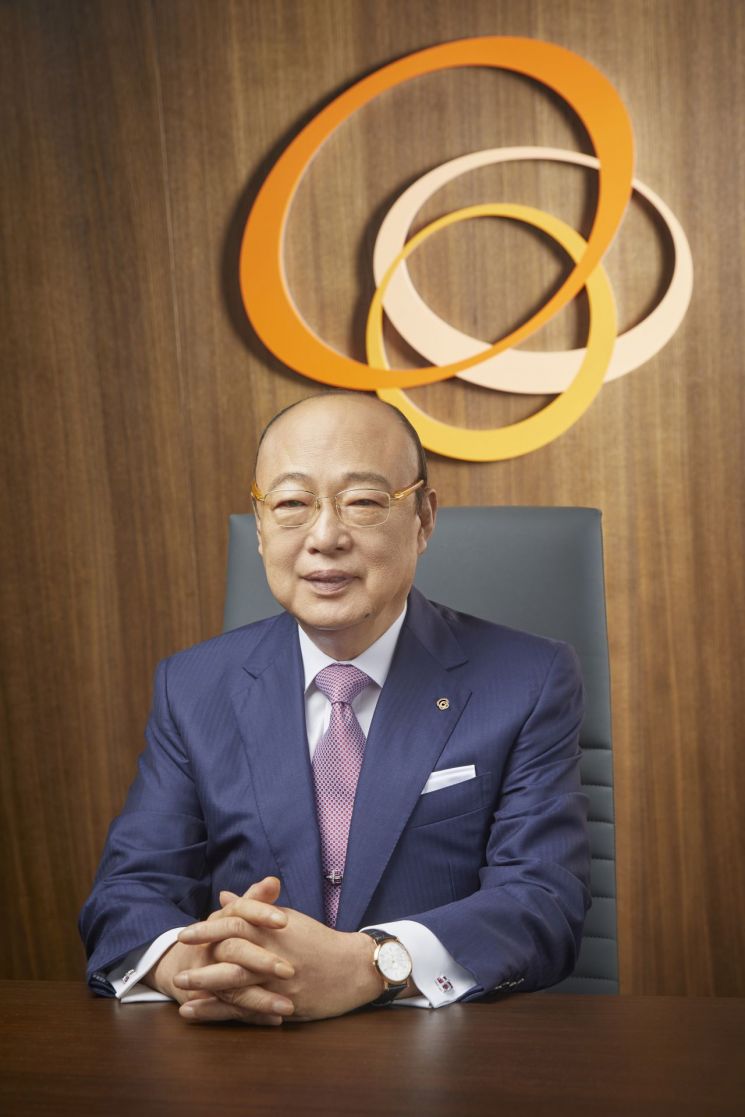
Now in its 13th year, the Hanwha Science Challenge is a science idea contest held by Hanwha Group for high school students nationwide to foster creative future science talents. It has been held since 2011 under the motto "Korea's Young Nobel Prize," reflecting Chairman Kim Seung-yeon's special interest and belief in talent development.
This year's slogan is "Saving the Earth, Scientific Ideas for a Sustainable Tomorrow," where free and creative ideas for sustainable human development are competed. A team can consist of two high school students and one advisor teacher. There is no limit to the number of teams per school, and students from different schools can form joint teams.
High school students wishing to participate can apply online through the Hanwha Science Challenge website by April 9.
The preliminary round will be conducted through first and second online evaluations by May 18 to select 20 teams for the finals. The final round will be held offline over two days from August 14 to 15, with an awards ceremony on August 16. The grand prize team will receive 40 million KRW, two gold prize teams will receive 20 million KRW each, and a total of scholarships and prizes worth 200 million KRW, the largest scale in Korea, will be awarded.
Five teams winning silver prize or higher, totaling 10 people, will also be granted the opportunity to experience special programs such as visits to prestigious overseas science institutions, engineering universities, and Hanwha Group’s global business sites.
Meanwhile, Hanwha Science Challenge awardees have greatly contributed to the development of science in Korea. As of last year, among 466 awardees who have become adults, 386 (83%) entered science and engineering universities. Seventy-eight have completed or are pursuing master's or doctoral degrees, and 53 have been employed or started businesses in science, engineering, or research and development fields after finishing their studies.
© The Asia Business Daily(www.asiae.co.kr). All rights reserved.
![Clutching a Stolen Dior Bag, Saying "I Hate Being Poor but Real"... The Grotesque Con of a "Human Knockoff" [Slate]](https://cwcontent.asiae.co.kr/asiaresize/183/2026021902243444107_1771435474.jpg)















