The total fertility rate has fallen below 1.0 even in Sejong City, which has the highest birth rate nationwide. The total fertility rate, estimated as the average number of children a woman of childbearing age is expected to have in her lifetime, recorded 0.72 nationwide. As the sound of children crying grows quieter and no clear method to reverse this trend is in sight, the total fertility rate is expected to decline further for the time being.
According to the '2023 Birth and Death Statistics' announced by Statistics Korea on the 28th of last month, Sejong City's total fertility rate last year was 0.97.
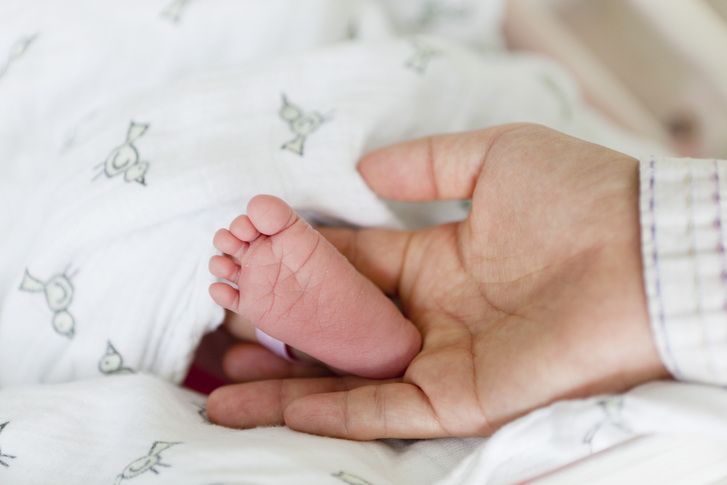 Even Sejong City, which had ranked first in the national birth rate, could not escape the effects of low birth rates.
 [Image source=Getty Images]
The number of births was 2,800, a 13.7% decrease compared to the previous year (3,209). This was the second highest decline nationwide, following Gwangju (-17.1%).
The crude birth rate, which indicates the number of births per 1,000 people, was 7.2, still the highest nationwide, but the decrease in the crude birth rate was 1.3, the largest in the country.
Sejong City has long been called the "City of Public Officials" and has recorded the highest birth rate nationwide. However, even Sejong City could not escape the effects of low birth rates.
Due to its characteristic of having a large migrant population, Sejong City's death rate appeared low. The crude death rate, indicating the number of deaths per 1,000 people, was 4.2 in Sejong, the lowest nationwide. The national average was 6.9.
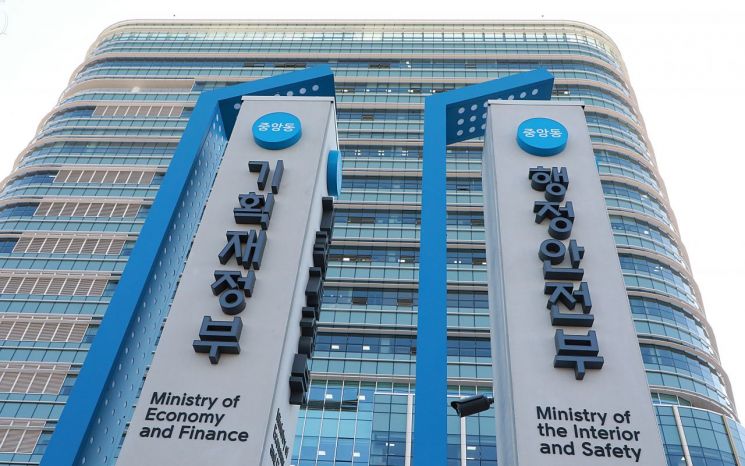
The age-standardized death rate, standardized to the 2005 national population (number of deaths per 1,000 standard population), was also 2.8, the second lowest after Seoul (2.6).
It is also the only region in the country experiencing natural population increase. While the natural increase nationwide, calculated by subtracting the number of deaths from the number of births, was negative (-122,800) last year, Sejong was the only area with a natural increase of 1,200.
Meanwhile, the number of births nationwide last year was 230,000, a decrease of 19,200 from the previous year, resulting in a total fertility rate of 0.72. This is overwhelmingly the lowest among OECD countries. The average total fertility rate among OECD countries is 1.58.
The government expects the total fertility rate to fall to the 0.6 range next year. The total fertility rate already dropped to 0.65 in the fourth quarter of last year.
© The Asia Business Daily(www.asiae.co.kr). All rights reserved.


















