Annual Audit Plan Disclosure for This Year
The Board of Audit and Inspection (BAI) will focus on intensive inspections of illegal and chronic tax evasion sectors this year. It plans to select sectors suspected of tax evasion, including the medical field?known for chronic tax evasion?as well as high-income private academy instructors and YouTubers, to thoroughly examine national tax arrears and collection management practices.
Particularly, amid strong government efforts to expand medical school quotas and fierce opposition from the medical community, there is growing interest in whether tax audits will focus intensively on doctors and others classified as high-income business operators.
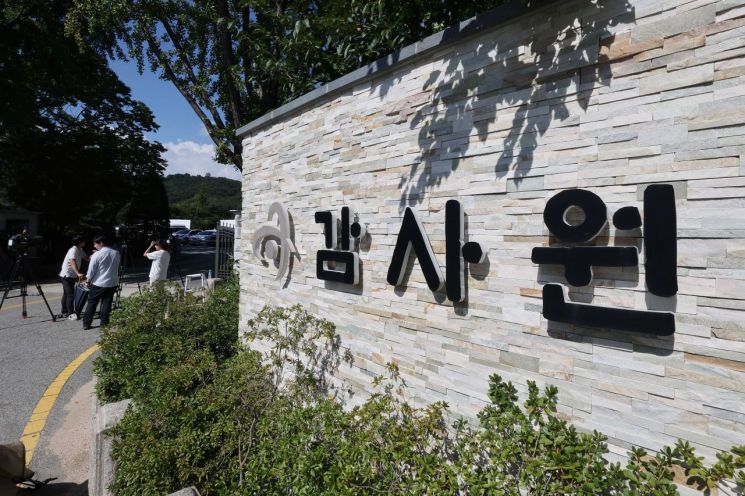
On the 15th, the BAI announced its "2024 Annual Audit Plan," stating that one of the main audit areas this year will be to review the management of national tax arrears and key tax evasion sectors to promote fiscal soundness.
A BAI official said, "We will review the national debt management system and focus intensively on sectors with persistent illegal and chronic tax evasion to promote fiscal soundness. In the first half of this year, tax audits will focus on high-income business operators and other key tax evasion sectors, especially those with a history of chronic tax evasion."
According to a tax and fiscal brief published last year by the Korea Institute of Public Finance, as of 2018, the income concealment rate among high-income business operators such as professionals, real estate lessors, and information technology (IT) workers was 53.4%. This means that more than half of the total income of high-income business operators was unreported and concealed from authorities. According to data submitted to Assemblyman Ko Yong-jin of the Democratic Party of Korea by the National Tax Service last year, 497 cases of failure to issue cash receipts by high-income professionals such as doctors and lawyers were detected in the first half of last year, indicating ongoing attempts at tax evasion centered around hospitals and law firms.
Regarding this, the BAI stated, "There is a possibility that high-income professionals such as those in the medical field will be included in the key tax evasion management sectors. However, the medical field has not yet been officially designated as a focused management sector," cautioning against overinterpretation.
Audit on COVID-19 Vaccine Supply and Response
The BAI plans to launch an audit in the second quarter of this year to assess key issues and the overall response system and processes related to COVID-19 vaccine supply, aiming to derive implications for future infectious disease resurgence preparedness.
By analyzing the entire COVID-19 response process chronologically and conducting audits that present facts even without findings, the BAI intends to diagnose the causes of problems exposed during the response and enhance the crisis response system to strengthen national capacity for future crises.
The audit on "Selection and Management of National R&D Projects," initiated in June last year, attempts a paradigm shift. For research and development (R&D) fields where learning through repeated failure is essential, innovative approaches are needed for new weapon development and fostering new technologies and industries, and challenges based on expertise are required for overseas resource development and asset/investment management. The audit will move away from fault-finding over minor past mistakes and instead tolerate errors in work processes if they serve national and public interests.
In particular, the BAI will discern and support worthy R&D projects in national strategic technologies and basic research, encouraging avoidance of mechanical cuts or indiscriminate support.
The BAI explained, "We will not hold individuals or organizations accountable for failed outcomes as long as there is no personal or organizational corruption, so that public officials are not bound by regulations and procedures to the point of losing sight of objectives or hesitating to take on challenges for fear of failure."
Additionally, the BAI will focus its efforts on reforming chronic work practices and behaviors that cause inconvenience to the public. It plans to inspect passive work attitudes such as self-preservation among public officials, unreasonable regulations causing inconvenience to citizens and businesses, and abuse of authority by state agencies infringing on citizens' rights.
Furthermore, the BAI will examine the operational status of pension funds and public institutions, and closely review cybersecurity measures against hacking and other cyberattacks on major national networks such as the National Election Commission and the Ministry of National Defense, as well as the management of personal information protection in the public sector. It will also inspect cases of political neutrality violations by public officials during election seasons, such as expressing support for specific candidates or joining political parties.
© The Asia Business Daily(www.asiae.co.kr). All rights reserved.

















