The Naju Public Health Center in Jeollanam-do announced on the 23rd that starting next month, it will begin larval control in infection-vulnerable areas during the thawing season to prevent mosquito-borne infectious diseases such as Japanese encephalitis and malaria.
Larval control refers to the method of exterminating immature larvae that have hatched from eggs using larvicidal agents. Since larvae inhabit specific places such as sewers, septic tanks, and puddles, this method is very effective for pest control during the winter season.
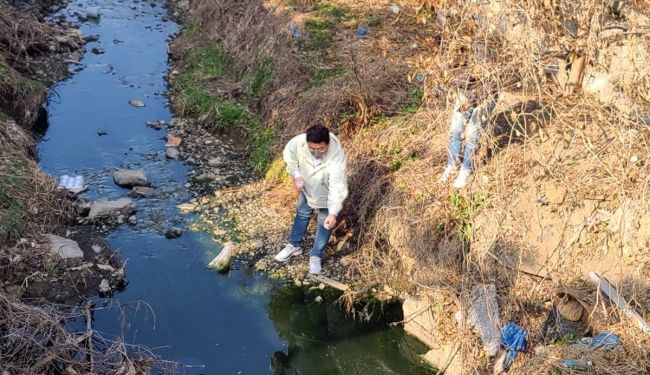
The health center has organized a larval control task force to focus on controlling larval habitats at a total of 644 locations next month, including 614 senior citizen centers, 28 apartment complexes with fewer than 300 households, and 2 lakeside parks.
A mosquito larva habitat reporting center will also be operated for residents to report sightings.
By spraying larvicidal agents and applying residual spraying mainly in areas with many complaints, the plan is to control not only larvae but also adult mosquitoes to protect citizens' health.
Kang Dong-ryeol, director of the Naju Public Health Center, said, "Controlling one mosquito larva has the effect of eradicating 500 adult mosquitoes, which greatly reduces the mosquito population in the summer season," adding, "We will create a pleasant area free from pest concerns through larval control."
Naju = Asia Economy Honam Reporting Headquarters, Reporter Kim Yuk-bong baekok@asiae.co.kr
© The Asia Business Daily(www.asiae.co.kr). All rights reserved.
![Clutching a Stolen Dior Bag, Saying "I Hate Being Poor but Real"... The Grotesque Con of a "Human Knockoff" [Slate]](https://cwcontent.asiae.co.kr/asiaresize/183/2026021902243444107_1771435474.jpg)
















