Ms. A, a housewife in her 50s, recently experienced frequent tingling and numbness in her legs. Although she felt uneasy, she attributed it to frequent outdoor activities in subzero temperatures due to her sales job and considered it a natural blood circulation disorder that occurs with aging, so she did not pay much attention. However, one day, when her legs became weak and her movements were not as she wished, she visited a nearby hospital and was diagnosed with peripheral neuritis.
The nervous system in our body is broadly classified into the central nervous system, which includes the brain and spinal cord, and the peripheral nerves that extend to the trunk, arms, legs, and other parts of the body outside the central nervous system.
The peripheral nervous system, which branches out outside the central nervous system, consists of sensory nerves that transmit information collected from various body parts to the central nervous system, motor nerves that convey stimuli and responses generated by the central nervous system to effectors such as muscles, and the autonomic nerves.
Peripheral neuritis refers to inflammation occurring in the peripheral nerves that affect sensory and motor functions. Our body's immune cells produce antibodies to handle specific external stimuli, and this process causes inflammation.
Depending on the cause of inflammation, peripheral neuritis can be classified into traumatic peripheral neuritis caused by external injuries such as wounds, infectious peripheral neuritis caused by bacteria or viruses, and autoimmune peripheral neuritis where inflammatory cells mistakenly attack the body's own nerves. Nutritional deficiencies and lead poisoning can also be causes. The most common cause of peripheral neuritis in adults is known to be complications from diabetes.
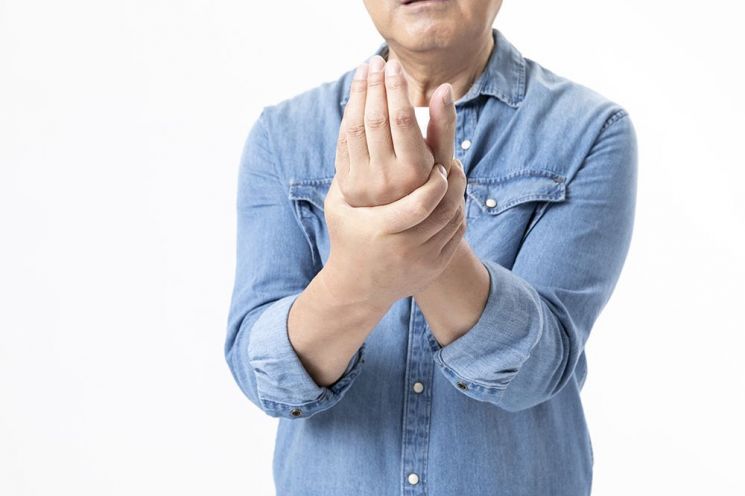
Symptoms of peripheral neuritis vary depending on the damaged nerves and their locations. If abnormalities occur in sensory nerves, which detect stimuli from the outside and various body parts and convert them into signals transmitted to the brain, sensation in the affected area decreases. Patients may experience electric shock-like tingling or stabbing pain, and sometimes the area may feel like it belongs to someone else.
The motor nerves, which are widely distributed throughout the body and responsible for contracting muscles, when affected, cause muscle weakness in the corresponding area, making actions such as buttoning a shirt or zipping a zipper difficult. On the other hand, if the autonomic nervous system is affected, symptoms such as orthostatic hypotension, constipation, diarrhea, and dry mouth may appear.
Symptoms may appear singly or in combination depending on the extent of peripheral nerve damage caused by inflammation. Similar symptoms can also occur in cases with central nervous system problems, so it is important to promptly seek specialist medical care and treatment if symptoms arise.
To diagnose peripheral neuritis, detailed symptom assessment and tests such as nerve conduction studies and electromyography (EMG) are performed to check for problems in nerves or neuromuscular junctions. EMG, conducted to differentiate diseases affecting peripheral nerves and muscles, analyzes electrical signals generated in nerves and muscles using specialized equipment. It is mainly performed when symptoms such as numbness in hands or feet, muscle weakness, muscle pain, or facial paralysis occur.
Dr. Moon In-su, head of the Neurology Department at Daedong Hospital, said, “There are many diseases with symptoms similar to peripheral neuritis, making it difficult for individuals to judge. If similar symptoms persist for more than two weeks or interfere with daily life, it is necessary to visit a hospital. Based on an accurate diagnosis by a neurology specialist, the cause can be identified, and an appropriate treatment plan can be established to reduce pain, improve function, and help with daily activities.”
Pain caused by peripheral neuritis can improve with medication, but for effective treatment, it is important to identify and eliminate the cause of inflammation through an accurate diagnosis. In particular, if diabetes-related peripheral neuritis is not properly managed, various complications such as diabetic foot can occur, requiring special caution. Additionally, to prevent inflammation, care should be taken to avoid external injuries, viral infections, and nutritional deficiencies.
© The Asia Business Daily(www.asiae.co.kr). All rights reserved.
![Clutching a Stolen Dior Bag, Saying "I Hate Being Poor but Real"... The Grotesque Con of a "Human Knockoff" [Slate]](https://cwcontent.asiae.co.kr/asiaresize/183/2026021902243444107_1771435474.jpg)















