"Real Estate Market, Low Possibility of Meaningful Recovery Within the Next 1-2 Years"
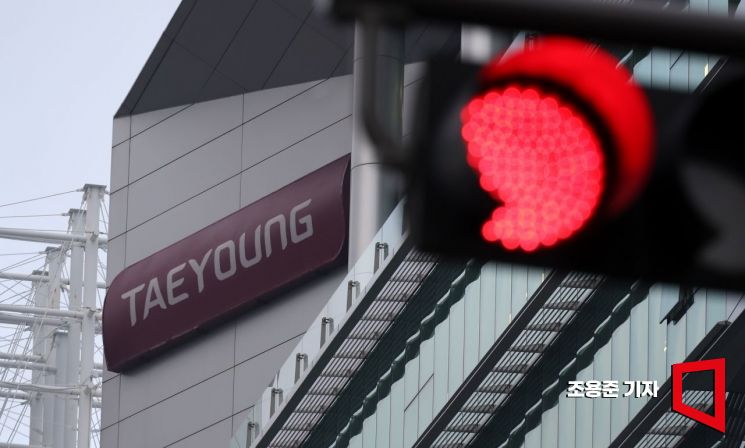
Concerns are rising that credit risk in domestic non-bank project financing (PF) is increasing, triggered by Taeyoung Construction's workout (corporate restructuring). Standard & Poor's (S&P) Global Ratings released a report on the 17th stating, "Considering the sluggish real estate market and high interest rate levels, the number of construction companies and PF projects experiencing financial burdens is expected to increase."
In the report titled "Real Estate Risks of Non-Bank Financial Institutions in Korea Are Materializing," Kim Daehyun, Managing Director at S&P, analyzed, "Given that housing prices, which rose rapidly during the prolonged low-interest-rate environment over the past few years, remain at high levels, the government is unlikely to actively stimulate the real estate market," adding, "The possibility of a meaningful recovery within the next one to two years appears low." With the rapid increase in household debt, it is a challenging environment for active real estate stimulus policies, leading to expectations that credit risk among non-bank financial institutions is growing.
In particular, the risk levels of credit-specialized financial companies such as mutual savings banks, installment finance companies, and securities firms were assessed as high. Managing Director Kim pointed out, "Their biggest risk factor is the high exposure to commercial real estate development projects in the early stages," noting, "Related loans account for about 30 to 50% of their real estate PF loans."
On the other hand, banks and insurance companies were judged not to have dangerous levels of related risk, as "their real estate PF exposure is relatively small and they generally possess adequate loss absorption capacity."
© The Asia Business Daily(www.asiae.co.kr). All rights reserved.

















