100% Fruit Juice Cited as Cause of Weight Gain in Children and Adults
BMI Increases by 0.03 with Each Additional Fruit Juice Consumption
A study has found that 100% fruit juice, which has been trusted and consumed for its "health benefits," can actually contribute to weight gain, indicating the need to limit its intake.
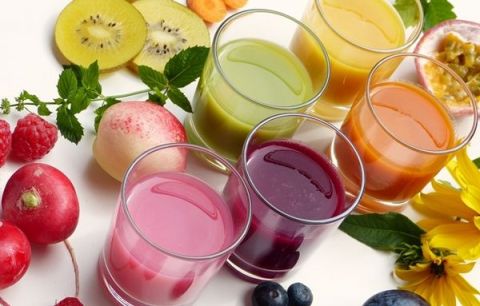
On the 17th, Professor Basanti Malik's team at the University of Toronto, Canada, published in the Journal of the American Medical Association (JAMA) Pediatrics, a systematic review and meta-analysis of 17 studies on children and 25 studies on adults. They reported that consuming 100% fruit juice affects weight gain in both children and adults.
The research team conducted a systematic review and meta-analysis of 17 studies involving 45,851 children and 25 studies involving 268,095 adults to examine the association between 100% fruit juice consumption and weight changes in children and adults. The analyzed studies included cohort studies observing the relationship between 100% fruit juice and weight changes for at least six months, and randomized clinical trials comparing fruit juice intake with calorie-free beverages for at least two weeks in both children and adult groups.
The results showed that in cohort studies involving children, consuming 100% fruit juice clearly led to weight gain. Each additional daily serving of 100% fruit juice was associated with a 0.03 increase in body mass index (BMI).
Similarly, cohort studies involving adults indicated that daily consumption of 100% fruit juice was linked to weight gain. The research team speculated that the calories contained in 100% fruit juice were the primary cause of weight gain in adults. However, randomized clinical trial analyses did not find a significant association between fruit juice consumption and weight gain.
The research team stated, "These findings support public health guidelines recommending limiting fruit juice intake to prevent overweight and obesity," adding, "Precise randomized clinical trials involving both children and adults are needed to investigate the effects of juice intake volume and juice types on weight."
In South Korea, there are many cases where people failed in dieting and instead gained weight after enjoying fruit juice. The calorie content of 100ml of cola is 40 kcal, while orange juice contains 45 to 55 kcal, which is similar to or higher than cola.
Meanwhile, there is also research indicating that high fruit juice consumption increases the risk of death. According to a joint 5-year study by Emory University and Cornell University in the U.S., data collected from 13,340 men and women participating in stroke research showed that those who consumed more than 10% of their daily calories from sugary beverages including fruit juice had a 44% higher risk of death from coronary heart disease compared to those who consumed less than 5%. Additionally, consuming sugary beverages and fruit juice together was associated with a 24% higher risk of premature death compared to those who did not.
■ Healthy 'Orange and Carrot Blend' Juice Recommended by the Ministry of Food and Drug Safety
1. Wash the orange thoroughly and peel it.
2. Wash the carrot thoroughly and cut it into small pieces.
3. Blend the carrot, orange, and water (50ml) in a mixer until smooth.
4. Strain the blended juice through a fine sieve.
5. Freeze the juice until it is chilled enough to form slight ice crystals.
6. Serve in a cup.
※Most commercially available juices may have sodium added during processing and concentration, so making juice by blending fruits and vegetables directly can reduce sodium intake.
© The Asia Business Daily(www.asiae.co.kr). All rights reserved.
![Clutching a Stolen Dior Bag, Saying "I Hate Being Poor but Real"... The Grotesque Con of a "Human Knockoff" [Slate]](https://cwcontent.asiae.co.kr/asiaresize/183/2026021902243444107_1771435474.jpg)















