Food-Centered Core Business Domestic Market Saturation
Chosen as Future Growth Engine and New Business
Global Bio Market Expected to Reach 1,200 Trillion Won by 2027
Major domestic food companies are strengthening their efforts in the bio business. As their core food-related businesses reach saturation in the domestic market and competition intensifies overseas, they are increasing investments targeting the global bio market, which is expected to grow to a scale of around 1,200 trillion won in the future.
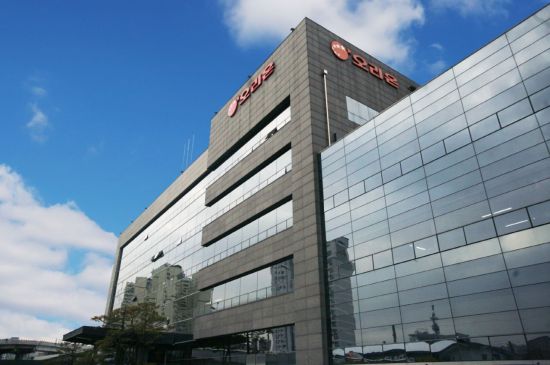
According to the industry on the 16th, Orion announced the day before that it will invest 550 billion won to acquire a 25% stake in the pharmaceutical company LegoChem Biosciences, becoming the largest shareholder. Established in 2005, LegoChem Biosciences is a domestic bio venture with research and development capabilities in antibody-drug conjugate (ADC) technology, known as next-generation anticancer agents, and synthetic new drugs.
ADC anticancer drugs are bio-pharmaceuticals designed to target and kill tumor cells rather than normal cells, minimizing damage to normal cells and maximizing therapeutic effects, unlike conventional anticancer drugs. LegoChem Biosciences has been recognized for its capabilities by achieving 13 technology transfer contracts since 2015, including a technology transfer agreement worth 2.2 trillion won with global pharmaceutical company Janssen, earning 8.7 trillion won in technology transfer fees.
Heo In-cheol, Vice Chairman of Orion Group, said, "We have decided on a large-scale investment for global new drug development together with LegoChem Biosciences, which is growing into a world-class bio company. As the largest shareholder, we will actively support the stable growth of the business."
This equity investment is part of Orion's pursuit of three major new businesses. Previously, Orion designated beverages, convenient meal replacements, and bio as its three new businesses aiming to leap into a global food and healthcare company. The beverage sector is promoting growth with the 'Dr. You' brand, and the convenient meal replacement sector with the 'Market O' brand.
In the bio business, Orion established 'Shandong Lukang Haoriyou' in 2021 with the state-owned pharmaceutical company Shandong Lukang and is conducting clinical trials for colorectal cancer in vitro diagnostics. It is also about to complete a tuberculosis vaccine factory worth 90 billion won. Additionally, it has entered phase 2 clinical trials for treatments of intractable dental diseases in cooperation with Hisense Bio in Korea. An Orion official explained, "Beyond the existing food manufacturing sector, we are steadily reviewing related investments to make the bio business a long-term growth engine for the company."
Top Food Industry Player Also Building Bio Business
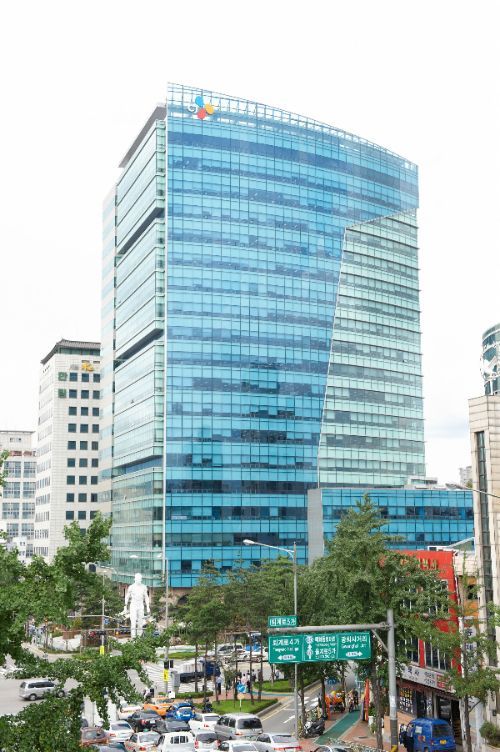
It is not unusual for food companies to show keen interest in the bio sector. The industry leader CJ CheilJedang has already swiftly built related businesses. After acquiring the microbiome specialist 'ChunLab' in 2021, it established a new corporation, CJ Bioscience, and strengthened its 'Red Bio' capabilities, which handle pharmaceutical businesses such as disease diagnosis, treatment, and new drug development. In addition, it is evenly fostering three fields: 'White Bio,' which develops eco-friendly bioenergy and materials; and 'Green Bio,' focusing on high value-added products such as amino acids for animal feed, microorganisms, and seeds.
The Daesang Group also entered the bio business early. It developed 'Lysine,' an essential amino acid used in feed, for the first time in Korea in 1973, and in 2021 established the bio company 'Daesang Cellgen,' focusing on research of bio-materials such as new materials usable in cosmetics and medical applications. Last year, its holding company Daesang Holdings signed an investment contract worth 7.5 billion won with the antifungal new drug development company Amtix Bio, expanding investments in the Red Bio business.
However, the bio business is a source of concern as it is difficult to generate profits in the short term despite huge investments and involves many variables. In the cases of CJ CheilJedang and Daesang, the reduction in pork demand and falling sales prices in China, a major export market for lysine, affected their performance. As of the third quarter of last year, CJ CheilJedang's bio business sales were 898.7 billion won, down 17% year-on-year, and operating profit fell 90% to 10.2 billion won. During the same period, Daesang's materials division sales dropped 15.5% year-on-year to 991.2 billion won, and it turned to an operating loss of 18.1 billion won.
An industry insider said, "The bio business involves many variables and risks, but if a success case such as new drug development with great ripple effects emerges, it has great potential to offset the investment at once. From the perspective of food companies, it is about pioneering new areas to promote future growth, and bio ventures can focus on research and development (R&D) in a stable environment, so they are making preemptive investments in promising places from a long-term perspective."
Meanwhile, according to the Biotechnology Policy Research Center, the global bio market is expected to grow at an average annual rate of 7.7%, from $504.1 billion (about 660 trillion won) in 2020 to $911.4 billion (about 1,200 trillion won) in 2027.
© The Asia Business Daily(www.asiae.co.kr). All rights reserved.
![Clutching a Stolen Dior Bag, Saying "I Hate Being Poor but Real"... The Grotesque Con of a "Human Knockoff" [Slate]](https://cwcontent.asiae.co.kr/asiaresize/183/2026021902243444107_1771435474.jpg)

















