Participation Rates in 10s and 20s Lower Than Those Over 70
Popular Exercises Include Walking, Hiking, and Bodybuilding
The participation rate in national recreational sports (regular physical activity at least once a week for 30 minutes or more) has not yet reached the level before COVID-19 in 2019.
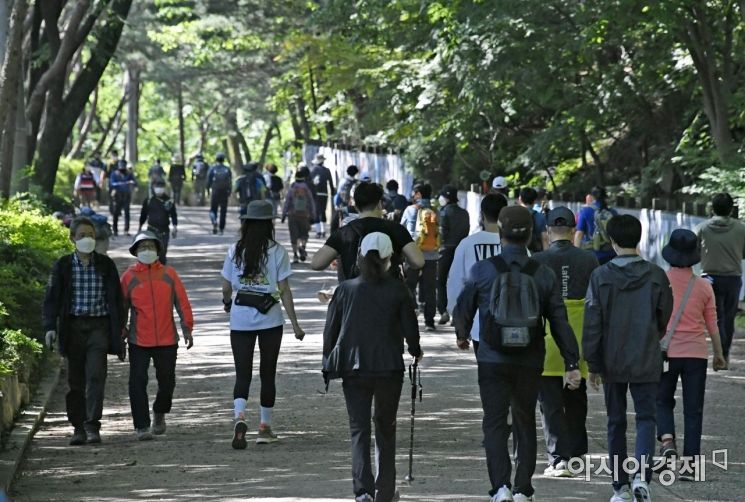
On the 10th, the Ministry of Culture, Sports and Tourism announced the results of the 2023 National Recreational Sports Survey conducted on 9,000 citizens aged 10 and older across seventeen cities and provinces nationwide. According to the results, last year's participation rate in recreational sports was 62.4%. This is an increase of 1.2 percentage points from the previous year (61.2%) but still falls short of the 66.6% recorded in 2019.
By age group, those in their 60s showed the highest participation rate at 68.0%, rising 8.4 percentage points from the previous year (59.6%). In contrast, teenagers and people in their 20s had participation rates of 47.9% and 57.6%, respectively, which were even lower than those aged 70 and above (60.6%). The Ministry stated, "We will expand sports participation by strengthening the 'Visiting Physical Fitness Measurement Service' and enhancing the connection between school sports clubs and designated sports clubs that have excellent coaches, facilities, and programs."
The most popular activities were walking (37.2%), hiking (17.3%), and bodybuilding (16.3%). Notably, hiking participation increased by more than 3.0 percentage points compared to the previous year in all age groups except teenagers and those in their 20s. Bodybuilding saw the largest increase in participation (9.2 percentage points) among people in their 30s. Swimming (7.7%), which saw a sharp decline during the COVID-19 period, has turned upward. Golf (7.1%), gymnastics (6.1%), badminton (5.2%), and table tennis (4.5%) also joined the rising trend.
Regarding the main reasons for participating in recreational sports, the majority (77.3%) cited maintaining health and improving physical fitness. Weight control and body shape management (45.5%) and leisure utilization (39.3%) followed. The most frequently used sports facilities were public sports facilities (28.3%), private sports facilities (23.4%), and other sports facilities (9.9%). Among public sports facilities, simple playgrounds (53.0%), fitness centers (23.2%), and swimming pools (8.5%) were most commonly used, while private sports facilities were most frequently fitness centers (42.1%), swimming pools (12.6%), and golf practice ranges (11.4%).
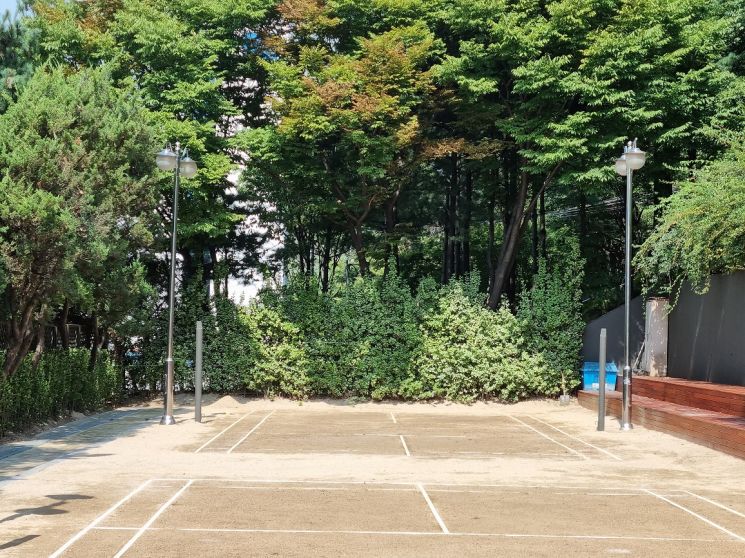
The rate of joining and participating in sports clubs, including school clubs and sports clubs, was 11.3%, an increase of 1.1 percentage points from the previous year. The most popular sports joined were soccer/futsal (22.9%), badminton (12.3%), and table tennis (10.5%). The sports people most wanted to join were golf (12.7%), yoga/Pilates (10.7%), and swimming (9.9%).
To encourage participation among the non-participating population in recreational sports (32.2%) identified in this survey, the Ministry of Culture, Sports and Tourism will implement a sports activity incentive system. Points (up to 50,000 KRW per person) will be awarded for certifying physical fitness at fitness certification centers and participating in sports activities, which can be used to purchase related goods or use facilities. Additionally, the Ministry plans to expand the opening of school sports facilities and increase the number of national sports centers to build a foundation for recreational sports.
© The Asia Business Daily(www.asiae.co.kr). All rights reserved.


















