FSS Intensively Inspects Short Selling Status of 6 LP Securities Firms
Short Selling Volume Plummets After Ban
Blocking Market Rumors Related to Short Selling
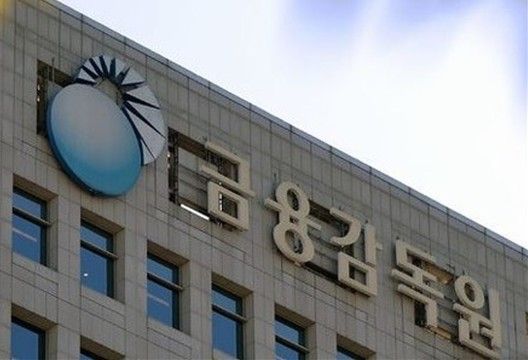
Securities firms acting as liquidity providers (LP) for exchange-traded funds (ETFs) have been confirmed not to have engaged in illegal short selling. This is because naked short selling is impossible due to the external securities lending transaction structure. Additionally, short selling volume dropped sharply by approximately 99.3% over about two months following the short selling ban.
On the 28th, the Financial Supervisory Service (FSS) announced that no illegal short selling was found among LP securities firms after conducting on-site inspections related to short selling transactions at six securities firms.
The six LP securities firms were confirmed to have conducted short selling transactions only within the range of borrowed shares confirmed through the Korea Securities Depository and others. In the case of external securities lending, borrowed balances are managed through the Korea Securities Depository, fundamentally blocking naked short selling transactions by LP securities firms. For internal securities lending, short selling transactions are only possible when borrowing is confirmed through the Korea Securities Depository or the securities firm's own system, even when lending shares between internal departments. Notably, some securities firms prohibit securities lending transactions between internal departments.
An FSS official stated, "LP securities firms submit short selling orders to hedge ETFs purchased from investors," and "During the investigation period, the six securities firms were confirmed to have conducted short selling solely for hedging purposes."
Short selling orders for hedging purposes are automatically generated in the system with the target stocks and quantities for hedging when LPs purchase ETFs, then go through an internal verification process before being transmitted. By restricting access from other departments to the entrusted accounts used for hedging transactions in the LP department, short selling for other purposes is difficult.
In addition, the FSS also examined rumors related to short selling raised in the market. The claim that short selling transactions increased after the short selling ban was also confirmed to be untrue.
The short selling volume of Ecopro BM, a stock with high short selling volume, plummeted from 73.7 billion KRW (November 3) to 0.5 billion KRW (December 20). Specifically, general short selling and derivative market maker (MM) short selling disappeared entirely, dropping from 38.8 billion KRW and 33.6 billion KRW respectively to zero. Only ETF LP short selling decreased from 1.3 billion KRW to 0.5 billion KRW.
However, during the same period, Ecopro BM’s short selling balance increased by 0.7%, from 5.05 million shares to 5.08 million shares. This is interpreted as a base effect due to the method of calculating short selling balance. The short selling balance is calculated as 'borrowed shares minus held shares.' After the short selling ban, the balance increased because investors sold held shares without increasing borrowed shares.
An FSS official emphasized, "We will continue to promptly inspect market suspicions and rumors related to short selling and transparently disclose confirmed information to minimize confusion in the capital market and among investors."
© The Asia Business Daily(www.asiae.co.kr). All rights reserved.
![Clutching a Stolen Dior Bag, Saying "I Hate Being Poor but Real"... The Grotesque Con of a "Human Knockoff" [Slate]](https://cwcontent.asiae.co.kr/asiaresize/183/2026021902243444107_1771435474.jpg)















