Prohibition of Deepfake Video Distribution 90 Days Before Election
Violation Punishable by Up to 7 Years Imprisonment or Fine Up to 50 Million Won
Ahead of next year's general election, the Public Official Election Act, which includes the 'Deepfake Election Campaign Prohibition Act,' and the amendment to the Political Parties Act mandating the selection of proportional representation candidates through democratic procedures have passed the National Assembly. Deepfake refers to edited materials that synthesize the face of a specific individual into a particular video using artificial intelligence (AI) technology.
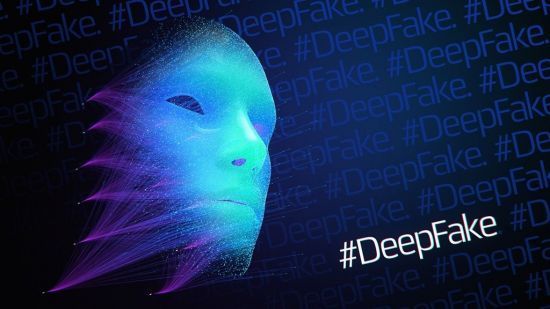
On the 20th, the National Assembly held a plenary session and passed an amendment to the Public Official Election Act that prohibits election campaigns using deepfakes starting 90 days before the election day. The amendment includes provisions that prohibit the production, editing, distribution, screening, or posting of virtual sounds, images, or videos created using AI technology from 90 days before the election until the election day. The amendment will take effect one month after its promulgation. Violations will be punishable by imprisonment of up to seven years or a fine ranging from 10 million to 50 million won. For this general election, the prohibition will apply from January 11, which is 90 days before the election day.
Additionally, even if more than 90 days remain until the election day, when conducting election campaigns, if videos using deepfakes are produced, edited, distributed, screened, or posted, they must be labeled to indicate that the information is 'virtual.' Failure to comply with the labeling obligation will result in a fine of up to 10 million won, and aggravated penalties have been established for false information disclosure violations that breach the labeling requirement.
Furthermore, the amendment relaxes the previous restriction that preliminary candidates could hang placards or signs around their necks but could not hold them by hand. Now, preliminary candidates may wear or 'possess' sashes or placards during election campaigns. Also, an amendment to the Political Parties Act, which stipulates that political parties must determine the democratic procedures for nominating proportional representation candidates according to party constitutions and regulations, has passed the plenary session. The amendment to the Political Parties Act will take effect from the date of promulgation.
© The Asia Business Daily(www.asiae.co.kr). All rights reserved.
![Clutching a Stolen Dior Bag, Saying "I Hate Being Poor but Real"... The Grotesque Con of a "Human Knockoff" [Slate]](https://cwcontent.asiae.co.kr/asiaresize/183/2026021902243444107_1771435474.jpg)
















