Diagnosed with Necrotizing Fasciitis at Hospital
Occurs When Bacteria Infect Through the Skin
A woman in her 50s from the Netherlands, who was initially thought to have the flu, was later found to have necrosis in her body, resulting in the removal of 20 cm of her buttock.
According to recent reports from foreign media such as the New York Post and The Mirror, Tracy Eglin (59), a woman living in the Netherlands, experienced flu symptoms and was suddenly rushed to the hospital in shock five days later. The shock Eglin experienced was septic shock, a condition where blood flow to internal organs is severely reduced due to dangerously low blood pressure.
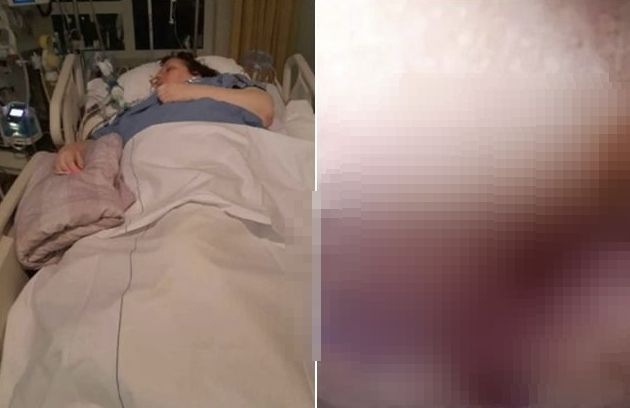
At the hospital, Eglin was diagnosed not with the flu but with necrotizing fasciitis. A large black lump was also found on her left buttock. Medical staff said, "Upon examination, the left side of the buttock had turned black due to necrosis," adding, "The necrosis had already progressed significantly, creating a critical situation with only a 10% survival rate."
Subsequently, the medical team put Eglin into a medically induced coma for nine days and performed three surgeries to remove the necrotic tissue and muscle. Eglin told the media, "When I woke up, 20 cm of my left buttock had been cut away."
To prevent further infection at the surgical site, Eglin had to live with a catheter (used for draining fluids from the abdominal cavity, digestive tract, etc.) for eight months. It was also reported that she would have to live with a permanent colostomy.
Necrotizing fasciitis is a rare disease caused by bacterial infection that leads to inflammation of the fascia, the connective tissue surrounding muscles. It usually occurs when bacteria enter through skin wounds. It can also result from infections caused by insect bites or surgery.
The sooner it is treated, the easier the recovery. In the early stages, it can be treated with antibiotics alone. However, if the symptoms worsen to the point of tissue necrosis, surgery to remove the affected tissue is necessary. Delayed treatment increases the risk of paralysis, septic shock, and death.
The exact cause of the fasciitis that Eglin suffered from is still unknown. However, medical staff speculate that the infection may have originated from a past wound or hair trapped under the skin.
To prevent necrotizing fasciitis, it is important to manage wounds properly to avoid infection. Regardless of the size, wounds should always be disinfected and covered with a bandage, and swimming should be avoided until the wound is fully healed.
© The Asia Business Daily(www.asiae.co.kr). All rights reserved.
![Clutching a Stolen Dior Bag, Saying "I Hate Being Poor but Real"... The Grotesque Con of a "Human Knockoff" [Slate]](https://cwcontent.asiae.co.kr/asiaresize/183/2026021902243444107_1771435474.jpg)















