IPO Size Reduced to $600 Million
No Listings Over $200 Million
US Applies Strong Pressure Through Audit
China Regulatory Risks Also Hinder Listings
This year, major Chinese companies have disappeared from the New York Stock Exchange (NYSE) IPO scene. Following the U.S. Securities and Exchange Commission's (SEC) warning last year to Chinese companies that failed to submit audit documents, coupled with regulatory pressure from Chinese authorities, companies have reportedly withdrawn from IPOs.
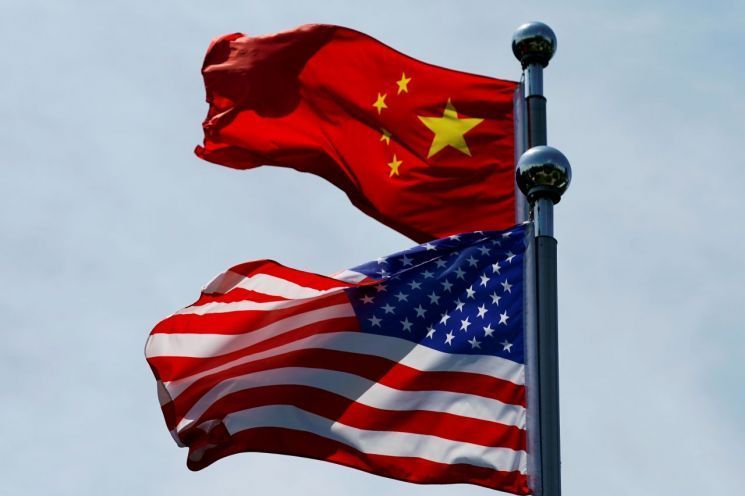
Bloomberg reported on the 14th that among the 37 Chinese companies attempting to list on the NYSE this year, none were valued at over $200 million (approximately 263 billion KRW).
The overall IPO volume of Chinese companies has also decreased. According to Bloomberg, the IPO volume of Chinese companies, which was $13 billion in 2021, dropped sharply to $400 million last year during the height of the COVID-19 pandemic, and $600 million this year.
The number of IPOs declined as U.S. financial authorities continued strong pressure on Chinese companies. Last year, the SEC warned that 148 Chinese companies that did not undergo audits according to U.S. accounting standards would be delisted from the NYSE. At that time, major Chinese IT giants such as Tencent and Baidu were included in the delisting list. This decision aimed to put an end to the decade-long dispute over the submission of audit documents between China and the U.S. Subsequently, China stepped back and allowed its companies to submit audit documents, enabling them to avoid delisting.
High-intensity regulation by Chinese authorities also acted as a deterrent for companies considering U.S. IPOs. Despite strong opposition from the Chinese government last year, ride-hailing company Didi Chuxing proceeded with its NYSE listing but eventually decided to voluntarily delist due to regulatory crackdowns. At that time, the Chinese government launched a stringent cybersecurity investigation against Didi Chuxing and imposed regulations removing Didi-related applications from Chinese app stores. As regulatory risks from Chinese authorities became apparent, the market capitalization of Chinese companies listed on the NYSE evaporated by over $1 trillion.
Bloomberg explained, "With accounting audit issues between the U.S. and China and regulatory uncertainties from Chinese authorities emerging as risks, fewer companies have pursued large-scale IPOs."
However, startups continue to challenge the NYSE listing. This is because the NYSE imposes less stringent requirements on companies at the time of listing compared to the Hong Kong Stock Exchange. For this reason, Geely Automobile's electric vehicle brand Zeekr from China is hoping to list on the NYSE in February next year.
Recently, Chinese authorities have been easing regulations on overseas IPOs. The China Securities Regulatory Commission (CSRC) relaxed overseas IPO regulatory conditions in February for companies that meet obligations related to national secrets and personal data usage.
Robert McCooey, Senior Vice President of the Nasdaq Stock Exchange, stated, "We interpret the CSRC's recent moves very positively," adding, "We read the message that China will not try to block its companies from listing overseas."
© The Asia Business Daily(www.asiae.co.kr). All rights reserved.
![Clutching a Stolen Dior Bag, Saying "I Hate Being Poor but Real"... The Grotesque Con of a "Human Knockoff" [Slate]](https://cwcontent.asiae.co.kr/asiaresize/183/2026021902243444107_1771435474.jpg)
















