Promotion of 34 Core Tasks in 4 Areas: Welfare, Safety, Health, and Living
Focus on Identifying Vulnerable Households, Strengthening Winter Social Safety Nets, and Disaster Response
Busan City is implementing the ‘2023 Winter Season Comprehensive Livelihood Stability Measures’ to ensure a warm and safe winter for its citizens.
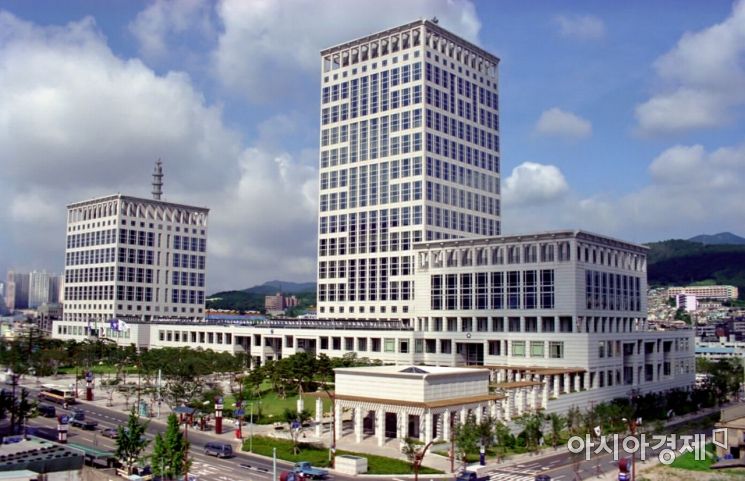
This winter comprehensive plan focuses on four areas: welfare, safety, health, and daily life. It includes 34 policy tasks such as identifying at-risk households including those vulnerable to solitary death, supporting livelihood stability, responding to winter disasters like heavy snow and wildfires, and managing infection control and prevention of cold-related illnesses among health-vulnerable groups. The plan will be carried out until March next year.
First, in the welfare sector, the plan aims to strengthen the social safety net during winter by identifying at-risk households including those vulnerable to solitary death and supporting livelihood stability.
Using the Happy e-um big data and information communication technology, efforts will be enhanced to identify at-risk households, solitary death risk groups, and children in crisis, as well as to strengthen emergency welfare support. Key support measures include increasing emergency welfare living expenses for eligible households (from 623,000 KRW to 713,000 KRW for single-person households) and providing winter fuel costs (150,000 KRW) to reinforce the social safety net during winter.
Additionally, heating support for vulnerable groups will be expanded through measures such as gas and heating fee reductions, energy voucher distribution, winter countermeasure funds support (66,000 households in the lower-income bracket, 100,000 KRW each), and heating cost support for social welfare facilities (300,000 to 1,000,000 KRW per month). A continuous protection system will also be operated for cold-vulnerable groups such as the homeless, residents of small rooms, and elderly living alone.
In the safety sector, the focus will be on responding to winter natural disasters such as heavy snow, cold waves, and wildfires.
A field-centered preemptive response system will be established to strengthen winter natural disaster response, and pre-inspections will be conducted on disaster-prone areas (349 locations) including freezing-vulnerable sections and fire-prone facilities (8,945 locations). When weather warnings such as heavy snow or cold waves are issued, rapid action will be taken through multi-channel situation management and the establishment of an emergency response system.
To prevent winter wildfires, a Wildfire Prevention Countermeasures Headquarters (comprising 16 organizations) will be operated, and 621 wildfire watchers will be deployed to eliminate wildfire causes in advance and monitor the situation.
In the health sector, efforts will be made to prevent and manage infections and cold-related illnesses among health-vulnerable groups.
To prevent respiratory diseases such as COVID-19 and influenza, vaccination rates among seniors aged 65 and older will be increased, and infection-vulnerable facilities (651 locations) will be intensively managed.
For the prevention of cold-related illnesses among health-vulnerable groups such as elderly living alone, cold wave safety nets will be established at village health centers (including 16 dedicated visiting health management teams and 298 health guardians), visiting health management will be expanded, and rapid response will be ensured when cold wave warnings are issued.
In the daily life sector, measures that directly affect citizens’ daily lives will be expanded.
These include stabilizing prices through supply management of agricultural and marine products during peak seasons such as kimchi-making season and Lunar New Year, winter management of water and sewage systems, and winter waste management measures.
Furthermore, focused inspections will be conducted for safety management at winter construction sites, cultural, sports, and tourism facilities, and traditional markets. High-concentration fine dust seasonal management and emergency reduction measures will be implemented. Full efforts will also be made to block livestock infectious diseases such as highly pathogenic avian influenza.
Mayor Park Hyung-jun stated, “This winter livelihood stability plan prioritizes building a social safety net through identifying and supporting at-risk households including those vulnerable to solitary death, and protecting citizens’ safety from winter disasters such as wildfires and cold waves. We will do our best to ensure that all citizens can spend a warm winter.”
© The Asia Business Daily(www.asiae.co.kr). All rights reserved.
![Clutching a Stolen Dior Bag, Saying "I Hate Being Poor but Real"... The Grotesque Con of a "Human Knockoff" [Slate]](https://cwcontent.asiae.co.kr/asiaresize/183/2026021902243444107_1771435474.jpg)
















