"Taxing Harmful Products Reduces Consumption," Claims WHO
WHO Reports Decrease in Alcohol-Related Deaths After Lithuania Raises Excise Tax
The World Health Organization (WHO) has reported that 2.6 million people worldwide die each year due to alcohol consumption and has urged countries to actively raise excise taxes on alcoholic beverages. The aim is to curb alcohol consumption by strengthening tax burdens.
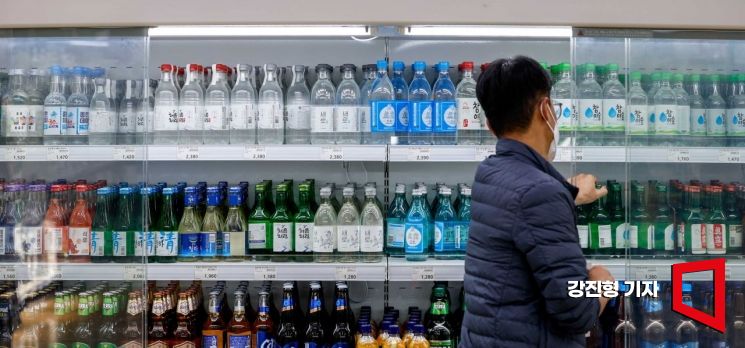
According to AFP on the 5th (local time), WHO released a tax policy report containing these recommendations based on a study of consumption taxes imposed on alcoholic beverages and sugary drinks in its 194 member countries.
In the report, WHO stated that 2.6 million people die annually due to alcohol consumption. It also estimated that 8 million people die each year from unhealthy dietary habits. To address these issues, WHO emphasized the need to increase consumption taxes on alcoholic beverages and sugary drinks to reduce consumption.
WHO noted that only 148 member countries impose consumption taxes on alcoholic beverages, and 22 countries provide tax exemptions for wine. Additionally, distilled spirit brands were subject to an average consumption tax of 26.5%, whereas the most popular beer brands faced an average tax of only 17.2%.
Furthermore, sugary drinks were found to bear significantly lower tax burdens than alcoholic beverages. In 108 countries, the average consumption tax imposed on sugary drinks was only 6.6% of the price of carbonated beverages. Among these countries, half also taxed bottled water, which WHO pointed out is not recommended by the United Nations agencies.
WHO advised that raising tax rates to increase the minimum prices of alcoholic beverages and sugary drinks could dramatically reduce deaths, hospitalizations, and various crimes related to alcohol consumption. Aliyan Lee, WHO Deputy Director-General, stated, "The urgent issue is that alcoholic beverages are continuously becoming more affordable over time," and emphasized, "Consumption must be regulated through well-designed excise tax and pricing policies."
WHO cited Lithuania as an example, noting that after raising excise taxes in 2017, deaths from alcohol-related diseases decreased. The number of deaths from alcohol-related diseases per 100,000 people dropped from 23.4 in 2016 to 18.1 in 2018, following the tax increase. During the same period, Lithuania’s excise tax revenue increased from 234 million euros (approximately 33.1683 trillion KRW) in 2016 to 323 million euros (approximately 45.7835 trillion KRW) in 2018.
R?diger Krech, WHO Director of Health Promotion, explained, "Taxing harmful products reduces consumption and leads to healthier eyes," adding, "It also helps government revenue generation, producing positive effects for society as a whole."
© The Asia Business Daily(www.asiae.co.kr). All rights reserved.
![Clutching a Stolen Dior Bag, Saying "I Hate Being Poor but Real"... The Grotesque Con of a "Human Knockoff" [Slate]](https://cwcontent.asiae.co.kr/asiaresize/183/2026021902243444107_1771435474.jpg)















