LVMH Anticipates Workforce Shortage of Over 7,000 by 2025
Accelerates Artisan Training with Expanded Apprenticeship Programs
"Situation Where Increasing Demand Clashes with Declining Artisans"
Global luxury brands are struggling with labor shortages. During the early stages of COVID-19, production factories closed, causing artisans to leave the field, and the very spirit of craftsmanship is disappearing.
Luxury brands suffering from labor shortages... No artisans for manual work
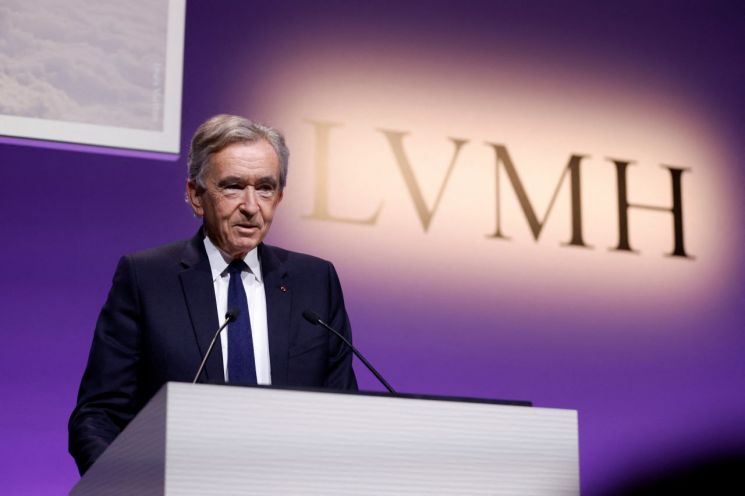
French luxury conglomerate LVMH, which owns over 60 brands including Louis Vuitton, Dior, and Tiffany & Co., is facing a shortage of workers and is accelerating efforts to train the next generation of artisans, Bloomberg reported on the 29th of last month (local time).
According to the report, LVMH expects to be short of 22,000 workers by the end of 2025. About two-thirds of these will be sales staff at luxury stores worldwide and hotel employees, while the remaining 7,000 are expected to be artisans, including craftsmen and designers.
Although the number is relatively small, LVMH is more sensitive to the decline in artisans. This is because most of LVMH’s widely loved products, such as Tiffany engagement rings, Hublot watches, and Loewe leather wallets, involve partial manual work.
'Craftsmanship' disappearing trend... Conflict with luxury demand
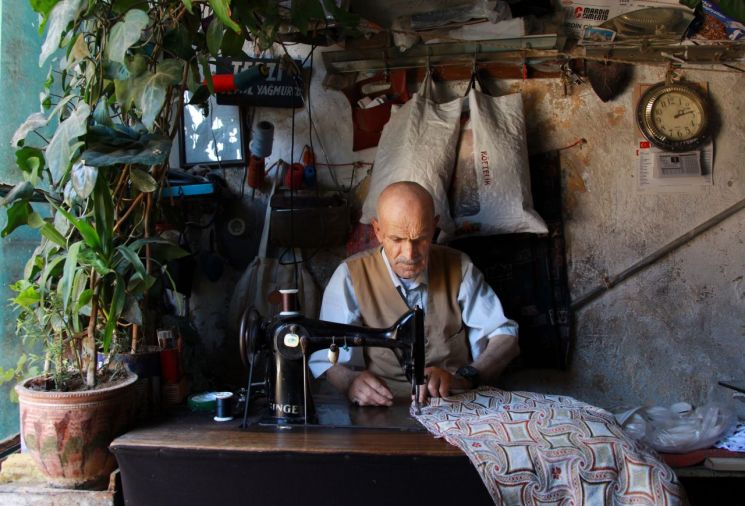
'Craftsmanship' is also a factor supporting high prices as it commemorates the heritage of some brands established over a century ago. However, the industry is seeing a trend where the 'craftsmanship' itself is disappearing. There is a growing tendency to avoid artisan tasks such as tailoring clothes, sewing bags, and jewelry processing.
For example, Italian suit manufacturer Caruso requires about nine hours for an employee to make one men's suit. Marco Angeloni, the CEO of the company, said, "We desperately sought to hire people, and the labor shortage was my biggest headache."
Bloomberg explained, "Workers in the US and Europe tend to avoid labor that requires manual work and prefer fields known as the knowledge economy," adding, "There is a clash between strong demand for high-end luxury goods and the decline of skilled artisans."
Expanding apprenticeship programs and artisan retraining... Luxury brands' desperate measures
Companies are also making efforts to solve the artisan shortage problem. LVMH has expanded apprenticeship programs for jewelry, tailoring, and other crafts, previously conducted in France, Italy, and Switzerland, to the United States. This year, training was provided to 700 people, with plans to increase this to several thousand in the future.
Swiss luxury shoe brand Bally is attracting attention by retraining artisans. They encourage artisans to participate in production processes outside their own specialties. Currently, about 20% of the approximately 100 artisans affiliated with Bally are reported to perform more than one type of task.
© The Asia Business Daily(www.asiae.co.kr). All rights reserved.


















