Cruise Faces Growing Issues After Last Month's Fatal Accident and U.S. Nationwide Service Suspension
Recent Vehicle Recalls and Founder Departure
GM Forced to Revise 2030 Revenue Targets and Strategies
Prioritizing Speed Over Safety Leads to Escalating Problems
General Motors (GM) is grappling with investment decisions regarding its key subsidiary Cruise's autonomous vehicles. Following a pedestrian collision accident involving an autonomous robo-taxi and the subsequent suspension of operations across the United States, along with the resignation of Cruise's founder and CEO, turmoil continues at Cruise. GM, which had viewed autonomous driving technology as a future growth engine and made large-scale investments, now faces the inevitability of revising its mid- to long-term strategy.
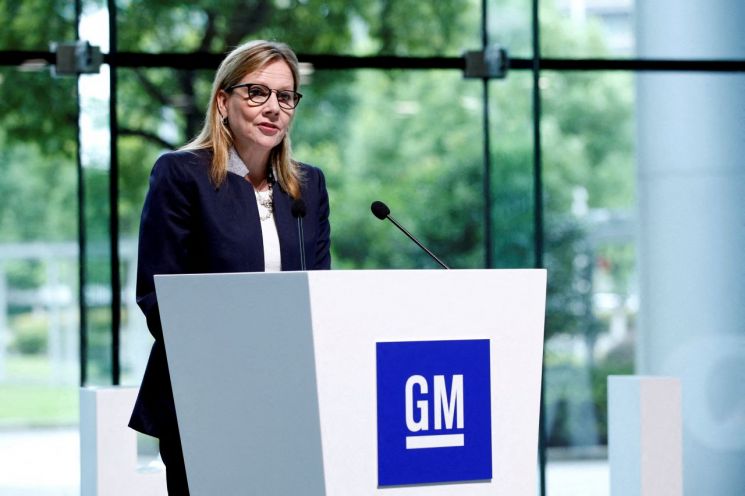
GM CEO's Tearful Adjustment to 2030 Revenue Doubling Goal
Bloomberg recently reported, citing sources, that GM CEO Mary Barra is stepping back from the original $280 billion (approximately 363.3 trillion KRW) revenue target set for 2030 and is adjusting it.
In 2021, CEO Barra announced plans to double GM's existing revenue by 2030 through the development of autonomous vehicles, electric vehicles, and software subscription services. Since the announcement, GM's annual revenue rose from $127 billion in 2021 to $156.7 billion last year. The annual revenue for this year (from last September to this September) has surpassed $170 billion.
The reason GM is revising its target despite continued revenue growth is due to Cruise's autonomous vehicle accident and the ensuing turmoil.
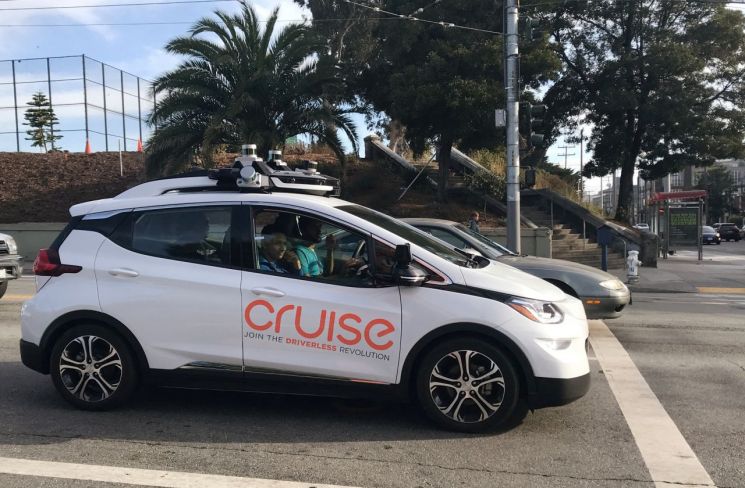
On the 2nd of last month, a woman was seriously injured after being run over by a Cruise autonomous robo-taxi at an intersection in downtown San Francisco, USA. Following this incident, the California Department of Motor Vehicles suspended Cruise's operating permit on the 24th of the same month, and subsequently, Arizona, Texas, and other states revoked their permits, halting Cruise's autonomous robo-taxi experiments nationwide.
Then, on the 8th, the U.S. National Highway Traffic Safety Administration (NHTSA) ordered a recall, stating that the collision detection subsystem in Cruise's Automated Driving System (ADS) software could respond inappropriately. As a result, 950 robo-taxis were recalled, and GM mentioned the possibility of additional recalls.
Following these events, Cruise founder Kyle Vogt resigned as CEO on the 18th. This announcement came after he declared a strong investigation into GM, Cruise's board, and management. The next day, co-founder and Chief Product Officer (CPO) Daniel Kan also stepped down.
CEO Barra, who viewed autonomous and electric vehicle technology development as key to revenue growth, has no choice but to revise her mid- to long-term plans due to this situation. To fund large-scale investments, Barra had previously eliminated underperforming overseas divisions in Asia and Europe, channeling those funds into technology development. Cruise, which caused the recent accident, was an autonomous driving technology company acquired by Barra two years after her appointment in 2014, in 2016.
GM's affection for Cruise was exceptional. Unlike other automakers that kept a certain distance from startups developing autonomous vehicle technology, GM maintained an optimistic stance, believing Cruise would bring a safer future despite losses exceeding $8 billion, reported IT media outlet The Verge. Additionally, former CEO Vogt, who co-founded the company with CEO Barra, often appeared publicly to communicate with the market.
Since Cruise's technology was promoted as central to GM, the impact of the accident is inevitably significant. The Verge stated, "After Vogt's resignation, GM faces tough questions," adding, "Should they continue investing hundreds of millions of dollars to prepare for a future that might never come?"
Growth Over Safety... The Ambition of Cruise's CEO
The recent Cruise accident is analyzed as the result of former CEO Vogt's strategy prioritizing growth over safety. Despite previous incidents involving Cruise's test vehicles causing accidents on roads and calls to focus on safety, these warnings were ignored.
According to Bloomberg, in June last year, a Cruise vehicle operating autonomously collided with a speeding Toyota making a right turn while the Cruise vehicle was making a left turn at an intersection. The driver inside the vehicle sustained minor injuries. Later that year, in September, 80 vehicles were recalled for a software update.
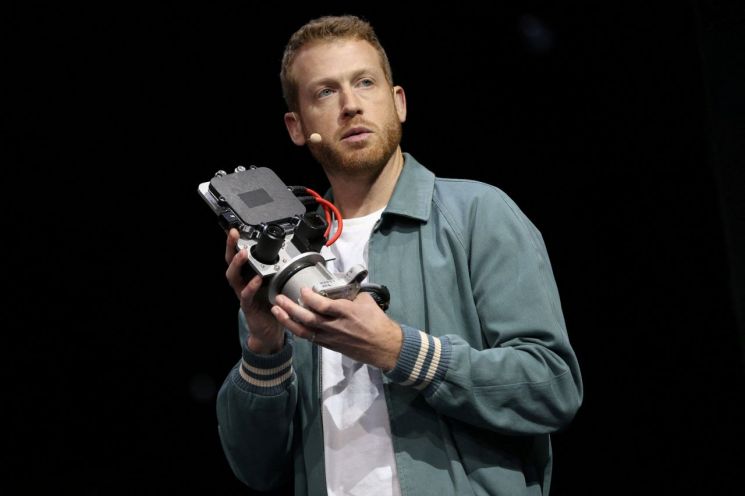
However, despite these incidents, three months later in December, former CEO Vogt announced that Cruise autonomous vehicles were operating in Phoenix and Austin, Texas. In an interview with Bloomberg at the time, Vogt expressed confidence in the technology's safety, stating that the only obstacle was "how fast GM can build vehicles."
Moreover, Vogt reportedly argued internally that Cruise needed to build a customer base in the metropolitan area faster than Google's autonomous vehicle Waymo to gain competitiveness. To achieve this, he relaxed internal safety inspection standards and often ignored employee objections, sources told Bloomberg.
After the recent incident, former Cruise CEO Dan Ammann, who preceded Vogt, has been praised as "right." Ammann believed that while growth speed was important, safety was paramount and delayed the original goals for autonomous vehicle testing. He clashed with CEO Barra over company strategy and left the company in December 2021, after which Vogt, then CTO, took over as CEO.
GM still sees economic value in the autonomous robo-taxi business but plans to prioritize safety over speed in decision-making. A source said that before Cruise resumes testing, they will verify whether the technology is safe and whether there are control devices to monitor the vehicles.
© The Asia Business Daily(www.asiae.co.kr). All rights reserved.



















