Establishment of Dedicated Processing Team for Manual Production
Enhanced High-Temperature Sterilization of Mattresses and Bedding
The hotel industry has recently stepped up pest control measures against bedbugs, which have been increasingly rampant. They have created a special manual and even formed a dedicated response team to handle potential bedbug outbreaks. Within the industry, this is being called the "largest pest control battle since the COVID-19 endemic."
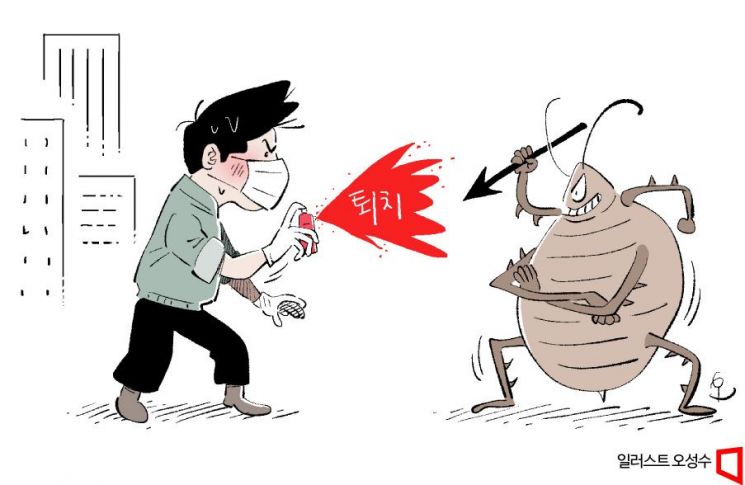
According to the industry on the 22nd, major hotels in Seoul have been put on high alert for bedbug infestations. Hotel A has distributed new hygiene guidelines focused on bedbug prevention across its locations nationwide, including Seoul, Busan, and Jeju. The hotel reportedly uses both hot water washing at temperatures above 70 degrees Celsius and sterilization with high-temperature, high-pressure steam for bedding and mattresses in all guest rooms. A representative from the hotel stated, "Under the supervision of the head office's hygiene and safety department, we are conducting on-site training and workshops related to bedbug prevention and guest room cleanliness management."
Hotel B has contracted a private pest control company to disinfect all areas of its properties, including guest rooms. A representative from Hotel B said, "Although our pest control system has strengthened through the COVID-19 period, we are managing more thoroughly to alleviate guests' concerns." Hotel C added a "bedbug detection area" item to its guest room maintenance checklist. The hotel also increased the frequency of pest repellent spraying in guest rooms and food and beverage areas and enhanced training for maintenance staff.
Bedbugs are said to have disappeared in Korea after their population sharply declined due to the Saemaul Undong movement in the 1960s and the introduction of the insecticide dichlorodiphenyltrichloroethane (DDT) in the 1970s. However, it is now believed that bedbugs have been reintroduced into the country due to their spread abroad, including in France. This background explains why the hotel industry is tightening its vigilance. With the transition to a COVID-19 endemic phase, foreign tourist visits have surged, and in one luxury hotel in Seoul, the proportion of foreign guests reportedly reaches 90%.
Although bedbugs do not transmit infectious diseases, their bites disrupt sleep and cause itching and secondary skin infections. The reaction time to bedbug bites varies by individual and can take up to ten days. For this reason, inquiries from prospective guests about bedbug sightings and pest control management have recently surged at hotels. A hotel representative said, "While there have been no cancellations yet, phone inquiries expressing discomfort due to bedbugs have increased."
As public anxiety about bedbugs grows, the Seoul Metropolitan Government has decided to disclose pest control information for lodging establishments. They will attach "Safe Accommodation" stickers at entrances. Additionally, marks will be displayed on online apps and websites that provide lodging information so that anyone can easily identify them. However, the industry maintains a cautious attitude, noting that bedbugs can appear anytime and in any form, so even accommodations designated as safe cannot be complacent. A hotel representative emphasized, "All our properties are prepared to respond quickly by coordinating with the nearest pest control companies. If the risk of occurrence is judged to be high, we will immediately implement pest control measures and install traps through professional companies."
© The Asia Business Daily(www.asiae.co.kr). All rights reserved.
![Clutching a Stolen Dior Bag, Saying "I Hate Being Poor but Real"... The Grotesque Con of a "Human Knockoff" [Slate]](https://cwcontent.asiae.co.kr/asiaresize/183/2026021902243444107_1771435474.jpg)















