This year, the total amount of non-apartment jeonse transactions fell below 20% for the first time in 12 years. This is interpreted as a result of growing distrust in deposit guarantees due to the aftermath of "empty-can jeonse" and jeonse fraud.
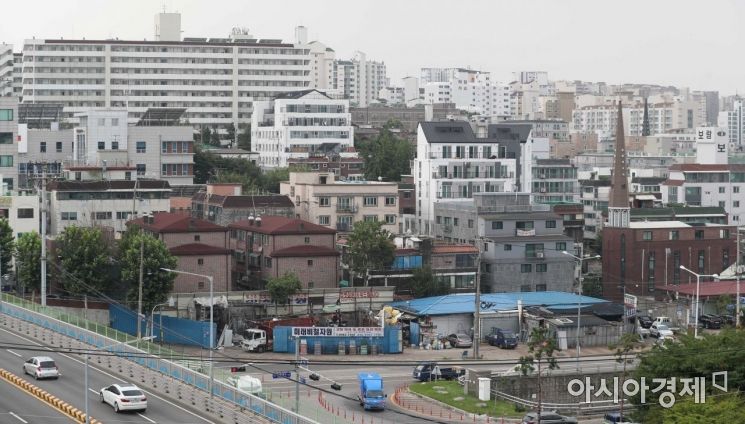
According to real estate platform Zigbang on the 20th, the total nationwide housing jeonse transaction amount this year was 181.5 trillion KRW for apartments and 44.2 trillion KRW for non-apartments. The proportions are 80.4% for apartments and 19.6% for non-apartments.
This is the first time since the announcement of actual housing lease transactions in 2011 that the share of non-apartments in total housing jeonse transactions has fallen below 20%. In the jeonse market, apartments have shown a recovery trend this year with rising prices, but non-apartments have experienced prolonged stagnation.
This year, the total housing jeonse transaction amount by region was 178.4 trillion KRW in the metropolitan area and 47.4 trillion KRW in provincial areas. The shares are 79.0% for the metropolitan area and 21.0% for provincial areas. The share of provincial housing jeonse transactions dropped by 1.2 percentage points from last year’s 22.2%, marking the lowest level since 2014 (20.3%). For non-apartments, the share of jeonse transactions in provincial areas and the metropolitan area recorded all-time lows at 2.5% and 17.1%, respectively. For apartments, the provincial share was 18.5%, the lowest since 2018, while the metropolitan area recorded an all-time high of 61.9%.
The non-apartment rental market is shrinking not only in jeonse but also in monthly rent transactions. In the short term, the decline in trust in lease contracts due to jeonse fraud is cited as the cause. However, Zigbang reported that the non-apartment jeonse market in provincial areas has been shrinking over a long period. The market contraction is attributed to decreased demand for non-apartments due to residents’ preference for apartments, and increased vacant houses as residents move to apartments.
Ham Young-jin, head of Zigbang Big Data Lab, said, "In the short term, efforts are needed to restore trust in the rental market, and in the long term, consideration is required to ensure smooth demand circulation according to housing types. Development of systems and services to verify mutual credit and transaction safety for secure transactions in the non-apartment jeonse market is necessary."
© The Asia Business Daily(www.asiae.co.kr). All rights reserved.
![Clutching a Stolen Dior Bag, Saying "I Hate Being Poor but Real"... The Grotesque Con of a "Human Knockoff" [Slate]](https://cwcontent.asiae.co.kr/asiaresize/183/2026021902243444107_1771435474.jpg)















