October Seoul Apartment Transactions Plummet Compared to Previous Month
Prolonged High Interest Rates and Loan Restrictions Increase Burden
Accumulating Listings Slow Down Housing Price Recovery
With the prolonged high interest rates compounded by the government's reduction in loan support, a chill is blowing through the Seoul real estate market. Apartment transaction volumes in October plummeted to levels seen at the beginning of the year, while listings piled up to a record high of around 80,000 units. Although housing prices continue a slight upward trend, some districts have already started to see a downturn.
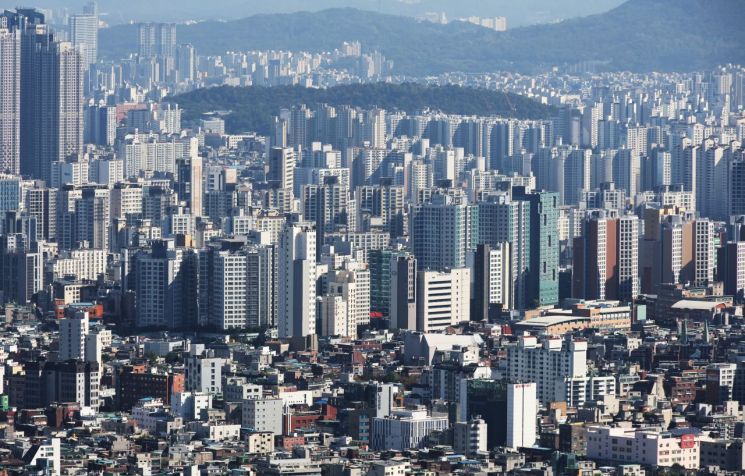
According to the Seoul Real Estate Information Plaza on the 18th, the number of reported apartment sales transactions in Seoul last month reached 2,144 as of the previous day. The reporting deadline for real estate sales is 30 days from the contract date. For September, 3,085 transactions were reported by October 17, and for August, 3,489 were reported by September 17. During the same period, July's transaction volume was 3,213. Comparing October's figures to those from July to September shows a drop of over 1,000 transactions.
Even if the reporting deadline at the end of this month is fully utilized, it seems unlikely that October's transaction volume will exceed 3,000. Some expect that it could mark the lowest level in eight months since February (2,454 transactions).
Seoul apartment transaction volumes had fallen to 558 in October last year during the sharp housing price decline, but the government’s extensive deregulation efforts helped recover volumes to 1,000 in January, 2,000 in February, and over 3,000 in April. However, the rapidly increasing transaction volume now faces the possibility of returning to early-year levels in October.
The main cause of the cooling transactions is the burden from prolonged high interest rates. Recently, the upper limit of variable interest rates on mortgage loans from commercial banks has exceeded 7%, signaling a prolonged period of high rates. Additionally, the government stopped the special Bogeumjari Loan general type for houses priced between 600 million and 900 million KRW from the end of September, leading to a weakening of buying demand. With actual transaction prices reaching over 80% of previous peak prices, psychological concerns about "catching the market top" have also increased.
While the number of homeowners wanting to sell to recover housing prices has increased, transactions have decreased, causing Seoul apartment listings to accumulate to as many as 80,000 units at one point. As of the previous day, there were 78,519 listings, about 10,000 more than the approximately 69,000 listings in August, when transaction volumes were highest this year.
As listings pile up, the recovery in Seoul apartment prices has naturally slowed. According to the Korea Real Estate Board, the apartment price increase rate in Seoul for the second week of November was 0.05%, nearly half of the 0.09% recorded a month earlier. The Real Estate Board explained, "In Seoul, intermittent transactions were maintained mainly in preferred complexes and those with redevelopment expectations," but also noted, "Due to the gap between buyers’ and sellers’ desired prices, transaction sentiment has weakened, and overall, a wait-and-see stance has been observed, maintaining last week’s rate of increase."
© The Asia Business Daily(www.asiae.co.kr). All rights reserved.

















