The European Union's (EU) Critical Raw Materials Act (CRMA), aimed at reducing dependence on third countries for key raw materials needed for electric vehicle batteries and semiconductors, effectively passed its final legislative hurdle on the 13th (local time).
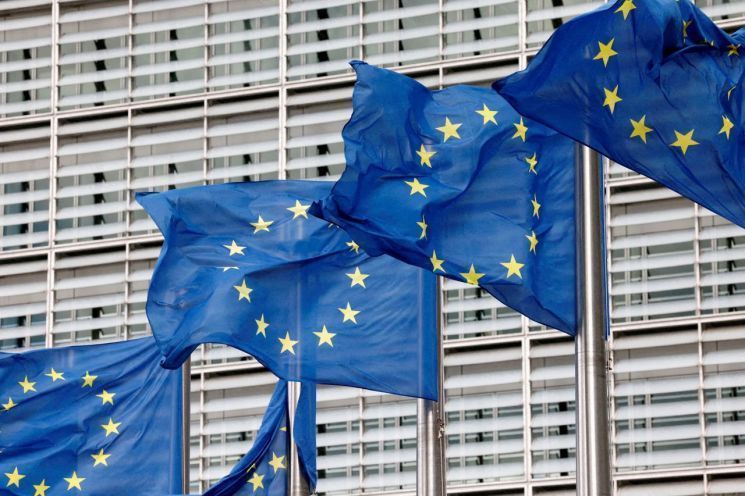
On the afternoon of the same day, the EU announced through a press release that the tripartite negotiations on the CRMA among the Council, composed of 27 countries, the European Parliament, and the EU Commission, the executive branch, had reached a provisional agreement. The tripartite negotiations are the final stage in the EU legislative process, where the Commission, representing the executive, the Council representing the 27 countries, and the Parliament coordinate and finalize the details of the legislative proposal. Once the tripartite negotiations are concluded, the law is implemented after final approval by both the European Parliament and the Council.
The CRMA is a bill aiming to reduce the dependence on strategic raw materials imported from third countries to less than 65% of the total consumption within the EU by 2030. The bill includes provisions to reduce dependence on Chinese raw materials, strengthen domestic manufacturing capabilities by expanding subsidy support, implementing expedited approval measures, and diversifying supply chains. Similar to the United States' Inflation Reduction Act (IRA), the CRMA is also regarded as a "European version of the IRA" because it establishes subsidy policies to protect domestic industries.
According to the final agreement reached in the tripartite negotiations, the EU has tentatively agreed on a domestic mining target of 10%, with processing and recycling rates set at 40% and 25%, respectively. The recycling rate was significantly increased compared to the 15% proposed in the Commission's draft. Although these are targets without binding enforcement yet, once the law is implemented, there is a possibility that comprehensive follow-up measures such as infrastructure expansion and financial support to meet these targets will be actively pursued.
Some expect that to achieve the recycling targets, the EU may require disclosure of recycling rates for raw materials in certain products sold within the region and may eventually mandate recycling. In fact, for permanent magnets, an essential component of electric vehicle motors, the draft already included a provision mandating disclosure of raw material recycling rates.
Additionally, the final agreement included aluminum as a "strategic raw material" subject to special management, which was not in the original Commission draft. The draft had classified a total of 16 raw materials as strategic, including battery-grade nickel, lithium, natural graphite, and manganese. The EU has left open the possibility of expanding the list of strategic raw materials in the future, including adding "synthetic graphite." Strategic raw materials are those used in key industrial sectors such as renewable energy, digital technology, aerospace, and defense technology, selected based on demand and supply chain risk, and are subject to separate regulations.
Furthermore, the agreement also includes measures to significantly shorten the time required for permits for new raw material extraction projects and processing and recycling projects. The bill stipulates that new raw material extraction projects should be approved within 27 months, and processing and recycling projects within 15 months.
Ursula von der Leyen, President of the EU Commission, welcomed the conclusion of the tripartite negotiations via X (formerly Twitter), stating that the CRMA is a "game changer for safe and sustainable access to essential inputs for the green and digital transition and strategic industries."
© The Asia Business Daily(www.asiae.co.kr). All rights reserved.
![Clutching a Stolen Dior Bag, Saying "I Hate Being Poor but Real"... The Grotesque Con of a "Human Knockoff" [Slate]](https://cwcontent.asiae.co.kr/asiaresize/183/2026021902243444107_1771435474.jpg)















