Board of Audit and Inspection Announces 'Regular Major Audit Results' Targeting MFDS
1.74 Million Missing Items Including Zombie Drugs, Zolpidem, Oxycodone
Consumers Sometimes Ingested Due to Failure to Block Hazardous Food Sales
It has been revealed that approximately 1.74 million narcotic drugs, including fentanyl and propofol, left unused after medical institutions closed down, have disappeared from the national monitoring system. The Ministry of Food and Drug Safety (MFDS) established a system to track these drugs, but the actual management was found to be inadequate.
On the 9th, the Board of Audit and Inspection disclosed the results of a 'regular major audit' targeting the MFDS, which included this issue. The audit focused on the safety management of narcotic drugs, which have recently become a social problem, as well as food and cosmetics, which have a significant impact on the public's daily life.
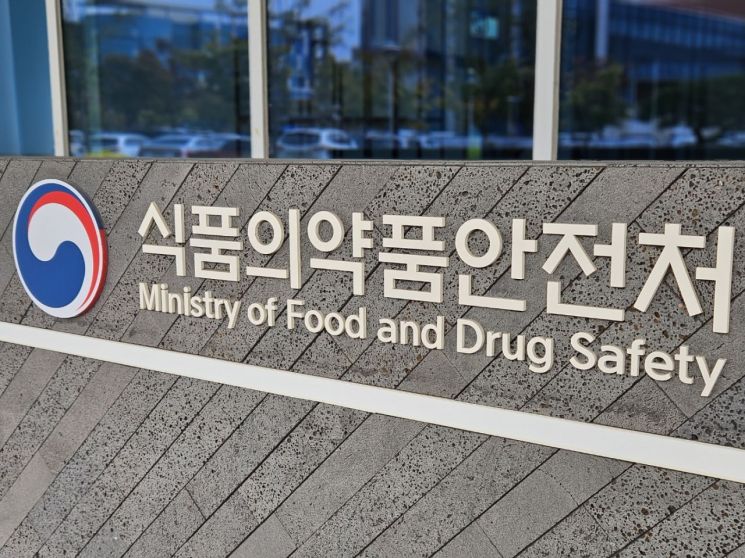
Since 2018, the MFDS has built and operated an integrated narcotics management system to track and manage the entire process of manufacturing, distribution, use, and disposal of narcotic drugs. Narcotic drugs refer to medical narcotics such as fentanyl used for medical purposes, and psychotropic drugs such as propofol and zolpidem.
However, the audit revealed that management of narcotic drugs, including inventory disposal and usage after medical institutions closed, was lax, resulting in many narcotic drugs disappearing from the national monitoring system. Over the past four years (2019?2022), approximately 1.74 million narcotic drugs held by 920 medical institutions at the time of closure were affected.
This included 4,256 units of fentanyl and remifentanil, known as so-called "zombie drugs," 5,108 units of oxycodone, 7,078 units of propofol, 1,097 units of ketamine, 94,594 units of zolpidem, 82,907 units of phentermine and phendimetrazine, and 1,163,814 units of diazepam and alprazolam, all of which disappeared.
According to relevant laws, when a medical institution closes, the narcotic drugs in stock must be transferred to another medical institution or wholesaler and reported to the MFDS. Failure to comply makes tracking and management impossible, turning the drugs into targets for illegal distribution, which is punishable by law (up to 2 years imprisonment or a fine of up to 20 million KRW for narcotics, and up to 1 year imprisonment or a fine of up to 10 million KRW for psychotropic drugs).
Additionally, 108 cases (1,059 tons) of hazardous foods contaminated with heavy metals or pesticides were omitted from sales bans, and 14 of these cases (7 tons) were not disclosed to the public. This ultimately led to consumers ingesting these foods as they were. Furthermore, it was revealed that cosmetics containing harmful ingredients were distributed without the establishment of safety standards or management measures. Under the Cosmetics Act, the MFDS must promptly conduct risk assessments on cosmetic ingredients suspected of harm and set safety standards such as prohibitions or restrictions based on the results.
In response, the Board of Audit and Inspection notified the MFDS Commissioner to ensure local governments thoroughly supervise closed medical institutions and to conduct sequential inspections of those that closed with remaining narcotic drug inventories. Medical institutions found to be in violation through sample investigations were to be reported to the heads of the respective local governments for prosecution. The MFDS Commissioner was also instructed to establish measures to monitor the appropriateness of reports on the disposal amounts of injectable narcotic drugs after use and to take actions such as suspension of operations and prosecution against medical institutions found to be in violation through sample investigations.
© The Asia Business Daily(www.asiae.co.kr). All rights reserved.
![Clutching a Stolen Dior Bag, Saying "I Hate Being Poor but Real"... The Grotesque Con of a "Human Knockoff" [Slate]](https://cwcontent.asiae.co.kr/asiaresize/183/2026021902243444107_1771435474.jpg)
















