The transaction turnover rate, which indicates the vitality of the real estate sales market, recorded its lowest figure in seven months. Apartment transactions in Seoul, considered a barometer of the housing market, are also slowing down. While end-users are taking a wait-and-see approach due to fatigue over price increases, rising market interest rates, and tightened loan regulations, sellers are not lowering house prices, resulting in a sluggish real estate market.
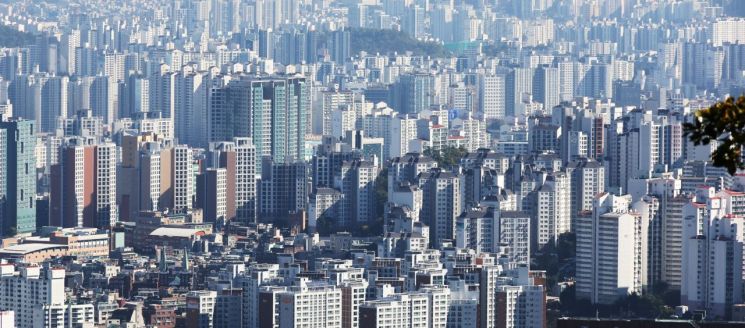
According to the Court Registry Information Plaza on the 1st, the real estate (collective buildings) transaction turnover rate in September was 0.36%. This is the lowest figure in seven months since it recorded 0.3% in February. The real estate transaction turnover rate is calculated by dividing the number of real estate ownership transfer sale applications each month by the number of real estate properties eligible for ownership transfer at the end of the month. A lower figure indicates fewer real estate transactions and a less active market.
Seoul apartment transactions are also slowing down. According to the Seoul Real Estate Information Plaza as of the 1st, the number of apartment transactions in Seoul in October was recorded at 1,091. Although there is about a month left for the reporting deadline, considering the current trend, even reaching the 2,000 mark cannot be taken for granted. Seoul apartment transaction volumes exceeded 3,000 for six consecutive months until September, after recording 3,186 in April.
The proportion of rising apartment transactions nationwide also declined for the first time in eight months. According to an analysis of actual transaction prices by Zigbang based on data from the Ministry of Land, Infrastructure and Transport, the proportion of rising transactions in nationwide apartment sales in September was 47.45%, slightly down from 47.65% in the previous month. This marks a halt to the upward trend that had continued for eight consecutive months. Meanwhile, the proportion of falling transactions rose slightly to 39.65% compared to the previous month. This is interpreted as market participants returning to a wait-and-see stance.
The market views the deepening wait-and-see trend as influenced by rising market interest rates, the end of 50-year mortgage loans, and the reduction of special BoGeumJaRi loan targets. Kyunghee Yeo, Senior Researcher at Real Estate R114, analyzed, “In addition to fatigue over price increases, rising mortgage interest rates and strengthened loan regulations seem to be causing end-users to adopt a wait-and-see approach.”
Experts predict that the real estate market will remain in a lull for the time being. Won-gap Park, Senior Real Estate Specialist at KB Kookmin Bank, said, “As the government tightens loans and market interest rates rise, the market is expected to continue in a wait-and-see mode for the time being,” adding, “Since there is still a large gap between sellers’ and buyers’ asking prices for apartments, house prices are likely to show a slight downward trend until the end of this year and the first half of next year.”
© The Asia Business Daily(www.asiae.co.kr). All rights reserved.

















