Distribution Companies Launch New Products Using Seafood
Government Encourages Additional Scallop Consumption Per Capita
Vital Efforts to Minimize Fishermen's Damage from Contaminated Water Discharge
As Japan's fishing industry suffers from China's import ban due to the discharge of contaminated water from the Fukushima Daiichi Nuclear Power Plant, the government and companies have launched efforts to boost domestic consumption. They are supporting the fishing industry by actively promoting the purchase of domestic seafood and implementing measures to stimulate consumption.
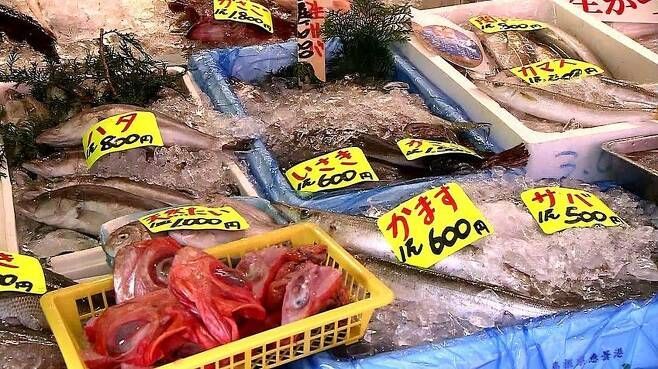
On the 6th, the Nihon Keizai Shimbun reported that there is a growing movement among Japanese companies to actively purchase Japanese seafood. The "Eat to Support" campaign, which began after the Great East Japan Earthquake in 2011 to revitalize the Tohoku region, appears to be resurging, centered around the fishing industry.
Retailers such as convenience stores are enthusiastically launching new products using Japanese seafood. Seven-Eleven has decided to produce triangular rice balls using 130 tons of Japanese scallops by next spring. Convenience store Lawson also held an event offering a 50 yen discount on lunch boxes made with domestic seafood. Aeon, Japan's largest retail conglomerate, has stocked 4 tons of scallops and started selling them at 350 stores in the Kanto region.
The food service industry has also stepped up to support the fishing industry. Kura Sushi, a Japanese conveyor belt sushi chain, decided to sell a limited quantity of rice balls made with domestic scallops. The Japanese pub brand Watami launched a campaign using Japanese seafood at its izakaya franchises Mirai Zaka and Torimero.
The Japanese government, which was concerned about the impact on the fishing industry, has also encouraged the public to consume Japanese seafood. On the 29th of last month, Ichiro Miyashita, Minister of Agriculture, Forestry and Fisheries, stated at a press conference, "If each citizen consumes 5 to 7 more scallops per year, it can offset the demand decrease caused by China's import ban." As companies and the government actively promote seafood consumption, it has been reported that some Fukushima seafood stocks have even sold out.
The Japanese fishing industry appears to be seeking relief by focusing on the domestic market after suffering significant damage from import bans imposed by neighboring countries following the Fukushima contaminated water discharge.
Earlier, China imposed a complete ban on imports of Japanese seafood from August as a retaliatory measure against the contaminated water discharge. China Mainland accounts for 20.8% of imports in the Japanese seafood market, ranking first, so the Japanese fishing industry has suffered significant losses due to this measure.
Scallops, which have a high export dependency on China, were hit the hardest. After the export ban, prices of fishery products in August fell by 75.7% compared to the same month last year, resulting in damages worth 10 billion yen (approximately 90.637 billion won).
Given the strong opposition from fishermen regarding the contaminated water discharge, it is analyzed that the Japanese government has no choice but to focus on minimizing the damage to the fishing industry.
The Nihon Keizai Shimbun explained, "As the damage caused by China's import ban is spreading, the government is appealing for expanded domestic consumption," adding, "To revive the Japanese fishing industry, it will be crucial to prevent the spread of rumors (reputational damage) and increase domestic demand."
© The Asia Business Daily(www.asiae.co.kr). All rights reserved.
![Clutching a Stolen Dior Bag, Saying "I Hate Being Poor but Real"... The Grotesque Con of a "Human Knockoff" [Slate]](https://cwcontent.asiae.co.kr/asiaresize/183/2026021902243444107_1771435474.jpg)
















