First Conviction for AI-Generated Child Sexual Exploitation Material
A Landmark Case Under the Act on the Protection of Children and Juveniles from Sexual Abuse
A man in his 40s has been sentenced to prison for producing child and adolescent sexual exploitation videos using an artificial intelligence (AI) image generation program. This marks the first time in South Korea that a creator of AI-generated child sexual exploitation material has been prosecuted and sentenced under the Act on the Protection of Children and Juveniles from Sexual Abuse.
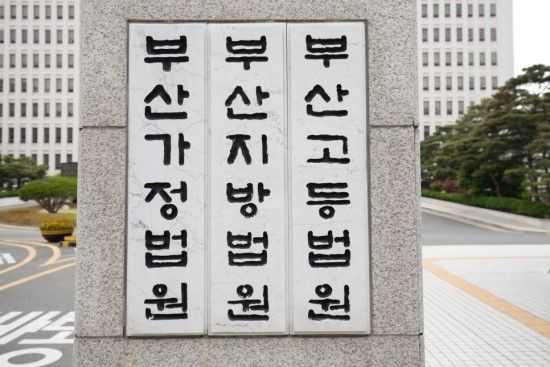
According to the legal community on September 23, the Busan District Court’s 6th Criminal Division (Presiding Judge Kim Tae-eop) announced on September 22 that it had sentenced Mr. A, a man in his 40s, to two years and six months in prison for violating the Act on the Protection of Children and Juveniles from Sexual Abuse.
Mr. A was indicted for producing child sexual exploitation material in April using an AI image generation program installed on his laptop. At that time, he entered commands such as "10 years old," "nude," and "child," generating about 360 image files. The obscene materials created by Mr. A did not depict actual children or adolescents exposing their bodies or engaging in sexual acts; instead, they were AI-generated representations simulating such acts.
Additionally, between March and May, Mr. A was also charged with distributing 816 illegally leaked model photos on foreign pornographic websites to earn points, and illegally possessing 608 illicit recordings of ordinary people, which he downloaded from pornographic sites. The Busan Metropolitan Police Agency began investigating after receiving a complaint that illegal recordings had been distributed on overseas pornographic sites, tracked down Mr. A, and discovered the AI-generated obscene materials during the investigation. All AI-generated obscene materials were confiscated before they could be distributed.
In the case of obscene materials featuring adults, prosecution is only possible if the materials are distributed. However, for obscene materials depicting children, simply producing or possessing them is punishable by law, even if they are not distributed. At the sentencing hearing held on August 29, Mr. A argued that a legal review was necessary to determine whether sexual exploitation materials generated by AI, featuring fictional children or adolescents, should be considered sexual exploitation material. The prosecution requested a five-year prison sentence for Mr. A.
The court stated, "The Constitutional Court has ruled that computer-generated composite images that could be mistaken for real children or adolescents, if depicted as sexual objects, also constitute child and adolescent sexual exploitation material." The court further pointed out, "Sexual exploitation materials featuring children and adolescents significantly distort public perceptions of sexuality and can lead to further sexual crimes, causing considerable harm." The court added, "It is concerning that advanced technologies such as AI programs, which are becoming commercialized, are being used to commit such crimes."
© The Asia Business Daily(www.asiae.co.kr). All rights reserved.
![Clutching a Stolen Dior Bag, Saying "I Hate Being Poor but Real"... The Grotesque Con of a "Human Knockoff" [Slate]](https://cwcontent.asiae.co.kr/asiaresize/183/2026021902243444107_1771435474.jpg)















