Private Investment Project Deliberation Committee Meeting on the 19th
Driving Time Reduced from 40 to 20 Minutes via Isu-Gwacheon Tunnel
The Seoul city’s next landmark development project, the ‘Seoulling’ project, has passed the Private Investment Project Deliberation Committee.
On the 19th, the Ministry of Economy and Finance held a Private Investment Project Deliberation Committee meeting at the Government Complex in Jongno-gu, Seoul, and reviewed and approved seven agenda items, including the appropriateness review of the Seoul city giant Ferris wheel private investment project facilities.
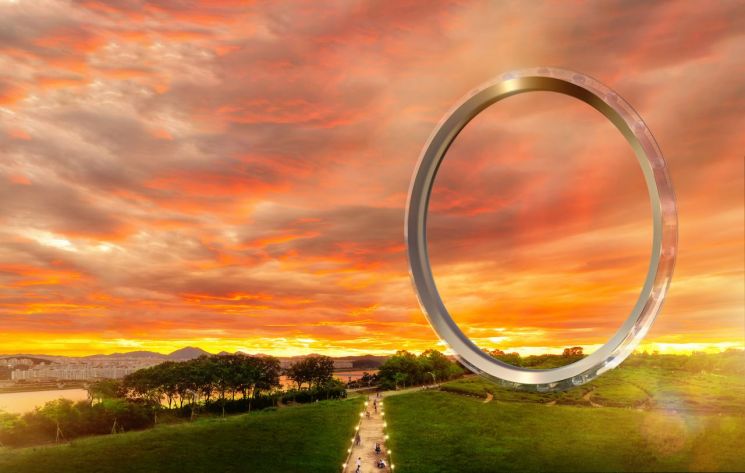
Seoul city is promoting a project to build Seoulling, the world’s largest giant Ferris wheel, at Sky Park in Sangam-dong, Mapo-gu. The goal is to start construction in June 2025 and complete it by December 2027, and it will be carried out as a revenue-generating private investment project (BTO). The project cost is approximately 400 billion KRW.
The committee evaluated that by creating a uniquely designed giant Ferris wheel, it will establish itself as a future landmark of Seoul and provide more citizens and tourists with opportunities for views and experiences.
The Iksu-Gwacheon complex tunnel private investment project has been designated a project implementer. With this, the road tunnel and stormwater drainage tunnel construction project connecting Gwacheon-dong, Gwacheon-si, Gyeonggi Province, to Dongjak-dong, Dongjak-gu, Seoul, is now on track. Once the tunnel is built, travel time in the area will be reduced from 40 minutes to around 20 minutes, and flood problems in the low-lying areas of Sadang and Iksu, which are prone to frequent flooding, are expected to be resolved.
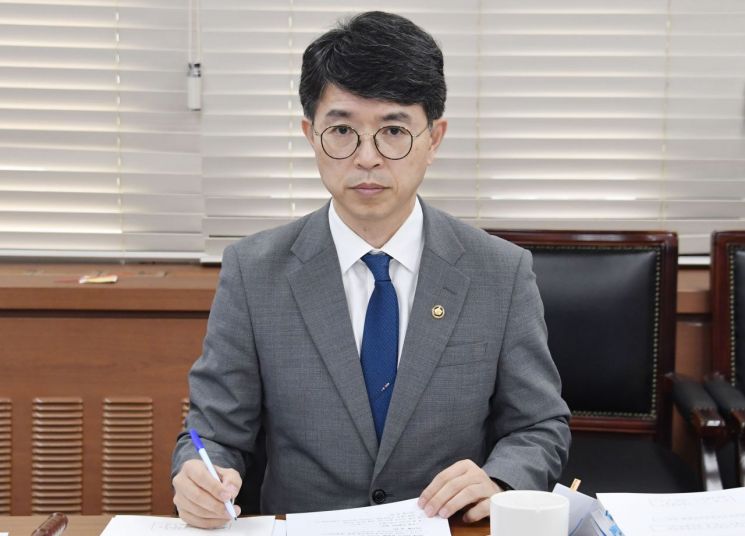 Kim Wan-seop, First Vice Minister of the Ministry of Economy and Finance, is delivering opening remarks at the 'Private Investment Project Deliberation Committee' held at the Government Seoul Office in Jongno-gu, Seoul, on the morning of the 19th.
However, the ‘Wirye-Sinsa Line urban railway implementation agreement’ and the ‘Western Line urban railway implementation agreement’ did not pass the committee.
Industry insiders argue that since prices have risen sharply since 2021, an adjustment of the total project cost is necessary, but the government believes that increasing usage fees or financial support could increase the burden on the public.
The committee requested the competent authorities to promptly prepare standards and application methods for reflecting the total project cost, as these projects are long-standing regional demands, and decided to immediately resubmit and process the implementation agreements reflecting these adjustments.
Kim Wan-seop, the first vice minister of the Ministry of Economy and Finance, who presided over the committee meeting that day, emphasized, “Despite the highly uncertain economic situation, the scale of private investment project agreements has increased significantly, from 30 trillion KRW last year to 60 trillion KRW as of August this year.”
© The Asia Business Daily(www.asiae.co.kr). All rights reserved.
![Clutching a Stolen Dior Bag, Saying "I Hate Being Poor but Real"... The Grotesque Con of a "Human Knockoff" [Slate]](https://cwcontent.asiae.co.kr/asiaresize/183/2026021902243444107_1771435474.jpg)
















